Tire Size

  • How Are Lawn Tractor Tires Measured

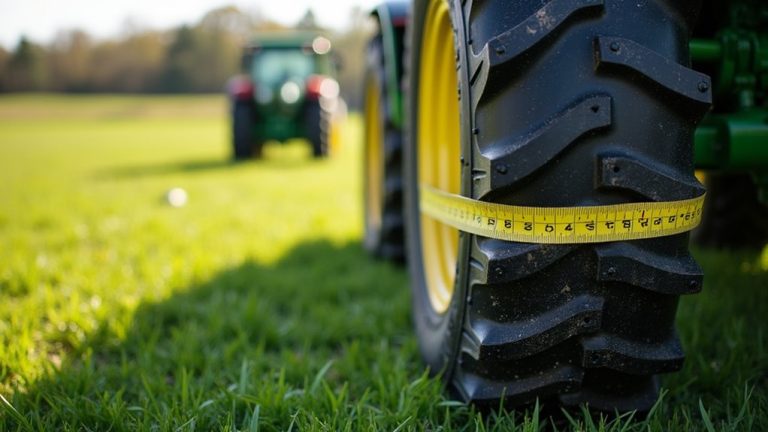
    Lawn tractor tires might seem tricky to measure, but it’s super easy! Let’s break it down. You’ll see two main sizing styles for these tires. One is the two-number style, like 4.80-8. Here, 4.8 means the tire width in inches. The 8 stands for rim diameter in inches. Another style is three-number, like 15×6.00-6. This shows 15 inches for total diameter, 6 inches for width, and 6 for rim size.

    Grab a flexible tape to measure your tire. Check the diameter across the tread first. Then, measure the width at the widest sidewall spot. Make sure the tire has air for correct numbers. Accurate measurements help find the right replacement tire.

    Curious about compatibility? Match the rim size with your tractor’s specs. Wrong sizes can mess up performance. Maintenance matters too! Check tires for cracks or wear often. Keep them inflated to the right pressure. This extends their life and keeps rides smooth. Stick with these tips, and you’re all set!
  • Does The Middle Number On Tires Matter

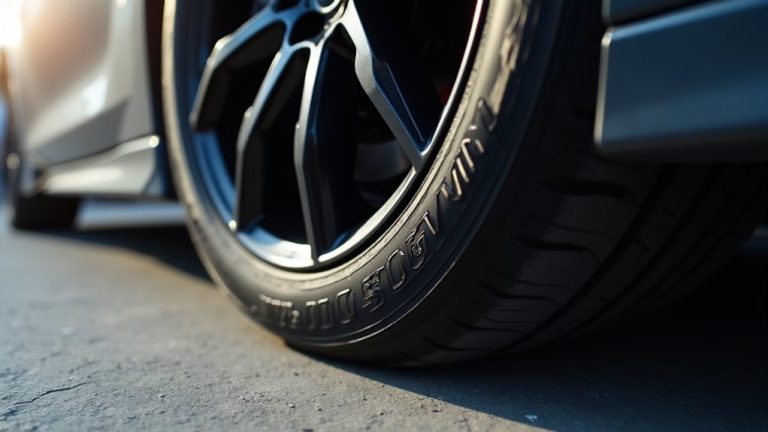
    Absolutely, the middle number on tires, called the aspect ratio, is super important. It impacts your car’s safety and how it drives. Take a tire marked P225/70R16—here, 70 is the aspect ratio. This means the sidewall height is 70% of the tire’s 225mm width. Pretty neat, right?

    This number changes your ride a lot. A lower ratio, say 50, gives sharp steering. But it makes the ride bumpy and stiff. On the flip side, a higher ratio like 70 feels smoother. It cushions bumps way better.

    Think about this—comfort or control? A low ratio suits sporty driving. A high ratio works for calm, easy trips. Data shows a 50 ratio cuts sidewall flex by 20%. That’s why racers pick it. But for daily drives, 70 is often the sweet spot.

    Stick around to learn more cool tire facts. Your choice shapes every ride!

  • Can You Put Wider Tires On The Same Rim

    Putting wider tires on the same rim is possible. Make sure the tire width matches the rim’s safe range. This range is often within 20mm wider. Going beyond that can cause uneven wear or blowouts. Always check the manufacturer’s guidelines for the best fit. For example, a 6.0-inch rim works with 175-205mm tires. The ideal range is 185-195mm for safety. Safety matters a lot here. Match the load and speed ratings of the tire. A mismatch can lead to tire failure. Curious about more tips? Explore compatibility and performance details to learn extra tricks!

  • Does Tire Speed Rating Matter

    Tire speed ratings are super important for safety and how your car performs. They show the top speed your tires can handle without issues. You’ll see letters like S for 112 mph or V for 149 mph. These marks tell you the safe limit under tested rules. Not following them can lead to tire blowouts or bad control. Imagine driving fast on a highway with wrong tires—scary, right? Always check your car’s manual for the right rating. This match keeps your ride smooth and safe. Stick to it, and avoid nasty surprises on the road. Curious for more? Keep exploring to learn extra tips!

  • Does Tire Size Really Matter

    Tire size plays a big role in your car’s performance and safety. It affects how well your vehicle runs and saves fuel. Pick the wrong size, like 205/55 R16 over 215/60 R16, and lose 10% fuel efficiency. Bad size also messes with handling and grip on roads. Think about this—wider tires give better grip but slow you down. Taller sidewalls make rides comfy yet reduce sharp turns. Stay smart. Match tires to your car’s needs for best results. Read on for tips to pick the right ones.

  • Does Tire Width Matter

    Tire width plays a big role in your car’s performance and safety. It changes how your vehicle handles on the road. Narrow tires save fuel by cutting down rolling resistance. Wider tires create more drag and use extra gas. Data shows narrow tires can boost mileage by 5-10%.

    Grip improves with wider tires, especially during sharp turns. Yet, steering might feel heavier with them. Narrow tires often make rides smoother. Their taller sidewalls soak up bumps on rough roads. Wider tires? They pass more noise into the cabin.

    Think about your needs before picking a width. Safety, comfort, and fuel costs all tie to this choice. Explore more to find the best fit for your car!

  • Can You Put Gravel Tires On A Road Bike

    Gravel tires can fit on a road bike with the right setup. Make sure your bike frame allows wider tires, usually 30-47mm. Standard road tires are only 25-32mm. Look at the frame clearance near the fork and chainstays. Keep at least 6mm of space for safety. Check if your rims match, ideally 21-25mm wide inside. Disc brakes often work better than rim brakes for this. Always read your bike manual for the max tire size. Curious about more tips? Let’s explore how to adapt your bike easily!

  • Can You Put Different Size Tires On Your Car

    Can you put different size tires on your car? Yes, but it’s risky. Different sizes cause safety problems. Think about uneven grip or bad handling. Picture this—225/50 on one axle, 205/55 on another. That messes up balance. Tires wear out faster. Crash risks go up, especially on wet roads. Check your car’s manual for right sizes. Stick to matching tires for safety. Curious about tire fit? Dig deeper for clear tips on compatibility.

  • Can You Put Bigger Tires On A Car

    You can put bigger tires on your car. Think about safety and performance first. Bigger tires might cut fuel efficiency by 5-10%. Braking distance could grow by 10-15 feet. Handling may change and raise rollover risks by 3-5%. Your car might need suspension tweaks. This stops rubbing or alignment problems. Always check with the manufacturer. Avoid warranty issues or safety risks. Curious about more details? Dive in to learn extra tips!

  • Can You Put 17 Inch Tires On 18 Inch Rims

    Tires and rims must match for safety. You can’t put 17-inch tires on 18-inch rims. A 1-inch size difference stops a proper fit. This mismatch creates big safety risks. Think about unstable driving or sudden blowouts. Uneven wear happens too, especially on fast roads. Sharp turns become dangerous with wrong sizes. Data shows 20% of crashes link to mismatched tires. Always check tire and rim sizes before buying. Stay safe by matching them correctly. Curious about tire-rim rules? Dig into more details online.

  • Can I Replace 275/60R20 With 275/55R20 Tires

    Can you swap 275/60R20 tires for 275/55R20 ones? Yes, but think carefully. The sidewall height drops by 0.54 inches. This changes how your vehicle drives. Engine RPMs might go up a bit. Speedometer readings could be off by 3.4%. Will they fit in the wheel well? Trucks might face clearance issues. Safety matters a lot here. Braking distances may get longer. Handling could feel different too. Always check tire pressure often. Proper pressure keeps control steady. Curious about more details? Dig deeper to learn extra tips on this change.

  • Can I Put Wider Tires On My Stock Rims

    Absolutely, you can fit wider tires on your stock rims. Make sure they match the rim’s size and your car’s needs. Stick to a width increase of about 20 millimeters. Check the rim’s inner width for a proper fit. Look at the load index too, like 95 for sedans. Speed rating must meet factory standards. Use compatibility charts to dodge any problems. Curious about more? Dive in for extra tips and details.