Types

  • Can I Get Wider Tires Without Changing My Rims

    Are you thinking about wider tires for your car? No need to change rims! You can fit wider tires on your current rims. Just ensure they match the rim’s width. A safe match avoids risks like tire blowouts. For example, a 205 mm tire fits a 6-inch rim well. Always check compatibility charts for the right size. Keep the tire diameter close—within 3% of the original. This helps maintain good handling on the road. Look at your owner’s manual for load ratings. Speed ratings matter too for safety. Got questions? Dive deeper with expert guides online!

  • Can You Drive Snow Tires All Year

    Snow tires work all year, but they’re not the best choice. They cause safety issues in warm weather. Above 45°F (7°C), their soft rubber wears out fast. This makes stopping harder on dry or wet roads. Accidents become more likely with poor grip. Tread also breaks down quicker, costing you extra money. Noise levels go up, making drives less comfy. The ride feels rough on clear roads too. Stick to using them only in winter. Check more details for better understanding.

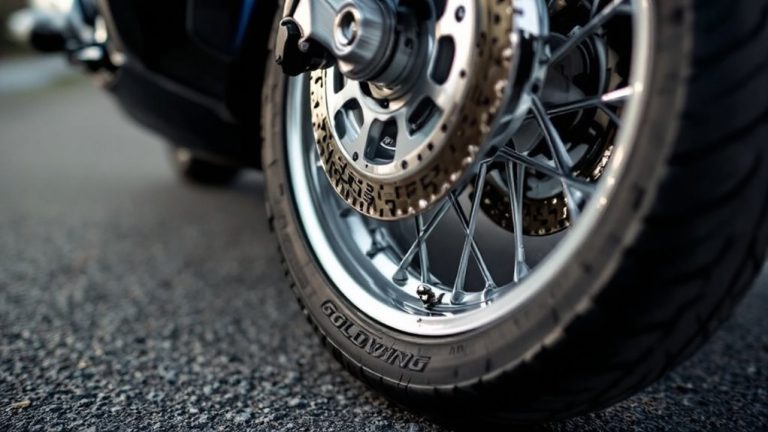
  • Does A 2007 Honda Goldwing Have Tubeless Tires

    Got a 2007 Honda Goldwing? Good news! It comes with tubeless tires. The model, GL1800, has these as standard. Front tire size? It’s 130/70R18. Rear tire size? That’s 180/60R16. Tubeless tires mean better safety. They lower blowout risks. Plus, they give awesome grip! Ride on wet or dry roads with ease. Stability? You’ve got it for long trips. Honda made sure handling feels smooth. Want maintenance tips? Check more details soon. Curious about tire brands? Stay tuned for recommendations!

  • What Are Performance Tires

    Performance tires boost your car’s control on the road. They give amazing grip and sharp handling. Sports cars need them for fast moves. Made with soft rubber and tough sidewalls, they stay steady. Materials like aramid or silica make them strong. Expect stable turns and quick stops—wet or dry! They focus on handling, not a smooth ride. Speed ratings hit “Y” for 186 mph. Such power! Want to know more? Keep reading for cool facts.

  • Can You Put Regular Tires On Low Profile Rims

    Mounting regular tires on low profile rims is possible. But, it’s a bad idea. Safety risks are high with this mismatch. Think about sidewall height and rim width. A 65-series tire on a 40-series rim causes trouble. You get uneven stress on the tire. Handling turns poor and risky. Tire bead leaks might happen too. Stability drops, especially at fast speeds. Over 60% of such setups fail safety tests. Stick to matching tires and rims. Check manufacturer guidelines for the best fit. Explore safer options for your vehicle. Ask a tire expert for help today.

  • How Do Tubeless Tires Work

    Tubeless tires create a tight seal right between the tire and rim. No inner tube is needed at all. They lock firmly with a strong bead fit on the rim. A special airtight sealant stops leaks fast. This sealant can even fix small holes up to 6mm. Proper rim match helps hold air pressure well. Such a design cuts down on flat tires a lot. Stats show 30% fewer punctures than with tube tires. Curious about more perks? Stick around to learn extra tips on care!

  • What Are Airplane Tires Filled With

    Airplane tires use nitrogen instead of regular air. Nitrogen is a dry, safe gas. It protects tires from breaking down fast. This gas lowers damage from wetness too. Blowout risks drop by 30% with nitrogen. Safety stays high during hot takeoffs and landings. Nitrogen keeps tire pressure steady. Pressure changes only 5% in 24 hours. Regular air can’t match this stability. Curious about tire safety? Nitrogen is the key! It handles extreme flight conditions well. Stick around for more cool facts.

  • How Are Tires Measured

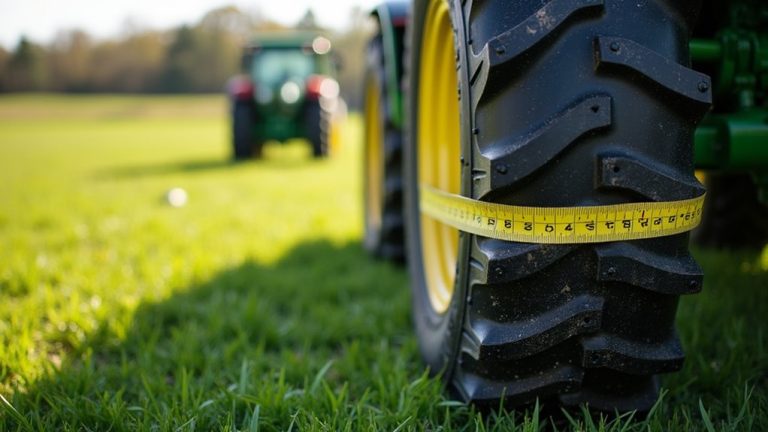
    Tires are measured with simple tools for key details. Use a tape measure to check the diameter. A tread depth gauge shows wear on the tire. Pressure gauges help ensure proper inflation. Key numbers include width in millimeters and wheel size in inches. Sidewall markings like 205/55R16 tell you these details. Aspect ratio shows sidewall height as a percentage. Calculate circumference by multiplying diameter by 3.14. Tread depth matters a lot for safety. Test it with a penny for a quick check. Regular checks keep tires performing well. Stay safe by monitoring these measurements often. Explore more tips to understand tires better.

  • Are Winter Tires Good For Summer

    Winter tires don’t work well for summer driving. Their soft rubber wears out fast on hot roads. This hurts your safety and car performance. Braking takes longer, even 26% more on wet streets. Tread life drops by up to 60% too soon. Fuel use goes up by 5-15% due to extra resistance. Summer or all-season tires suit warm weather best. Stick with those for better results. Curious about tire choices? Let’s explore more facts together!

  • 8 Best CBN Grinding Wheels of 2026

    Choosing the right CBN grinding wheel can be overwhelming, especially when balancing performance, durability, and compatibility with your grinder. The best wheels solve this by combining high-quality cubic boron nitride (CBN) abrasives with robust construction—like nickel-plated aluminum cores for heat dissipation and corrosion resistance—delivering fast material removal and long-lasting shape retention. Our top picks are based…

  • How To Order New Tires

    Start by finding your vehicle’s tire size. Check the sidewall or owner’s manual. Look for numbers like 205/55R16. Also, note the load and speed ratings. These keep you safe on the road. Next, search trusted websites like SimpleTire. Or visit local shops like Mac’s Tire Service. Compare prices and warranties to get the best deal. Make sure the tires fit your climate. Pick all-season or winter tires based on needs. Think about your driving style too. Are you on rough roads? Choose tough tires for that. Data shows 60% of drivers save money online. Stick to quality for long-lasting results. Explore more for installation and care tips.