Types

  • What Are Light Truck Tires

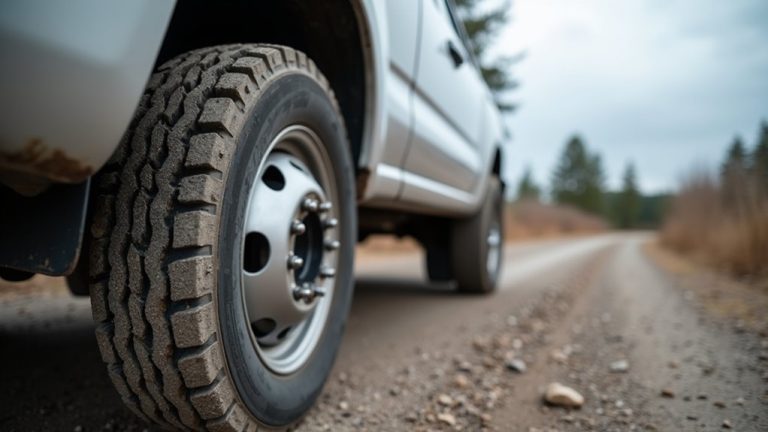
    Light truck tires suit vehicles like pickups, SUVs, and vans. They carry heavy loads and tackle tough jobs. Their strong build includes steel cords and tough sidewalls. This design helps haul cargo or tow trailers with ease. Stability stays solid even under pressure. Options exist, like all-terrain for mixed roads. Highway-terrain tires work best on paved paths. Load ratings, such as C or E, ensure safety. Data shows over 60% of truck owners pick all-terrain types. Stick around to learn more cool facts!


  • Does Tire Speed Rating Matter

    Tire speed ratings are super important for safety and how your car performs. They show the top speed your tires can handle without issues. You’ll see letters like S for 112 mph or V for 149 mph. These marks tell you the safe limit under tested rules. Not following them can lead to tire blowouts or bad control. Imagine driving fast on a highway with wrong tires—scary, right? Always check your car’s manual for the right rating. This match keeps your ride smooth and safe. Stick to it, and avoid nasty surprises on the road. Curious for more? Keep exploring to learn extra tips!

  • Do Car Rentals Have Snow Tires

    Renting a car for winter trips? Most companies skip snow tires. They prefer all-wheel-drive cars instead. Big names like Hertz promise four-wheel drive in cold areas. Still, snow tires are hard to find. Costs and planning make them rare. Some places have rules, though. Quebec demands snow tires by law. Colorado often asks for chains. Always ask your rental agency about tires. Check their rules before you book. Need more help with winter driving? Look up extra tips and tricks.

  • What Are Car Tires Made Of

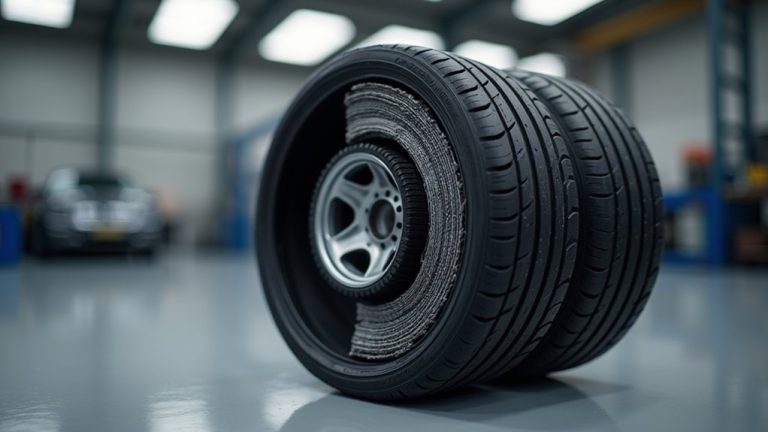
    Car tires are a clever mix of many materials. They use natural rubber for a soft, bendy feel. Synthetic rubber adds extra toughness to last longer. Steel cords give strength to handle heavy loads. Nylon and other fibers make tires super durable. Carbon black and silica boost grip on tricky roads. Special chemicals, like antioxidants, stop damage from heat or sun. All these parts work together for safety. They ensure great performance on every drive. Stay tuned to learn more cool tire facts!

  • Does Tire Size Really Matter

    Tire size plays a big role in your car’s performance and safety. It affects how well your vehicle runs and saves fuel. Pick the wrong size, like 205/55 R16 over 215/60 R16, and lose 10% fuel efficiency. Bad size also messes with handling and grip on roads. Think about this—wider tires give better grip but slow you down. Taller sidewalls make rides comfy yet reduce sharp turns. Stay smart. Match tires to your car’s needs for best results. Read on for tips to pick the right ones.

  • Are Winter Tires Bad In The Summer

    Winter tires don’t work well in summer. They suit cold, snowy weather, not hot roads. Expect less grip and longer stops on dry pavement. The tread wears out fast, risking safety. Quick turns or sudden stops become dangerous. Hot weather softens the rubber too much. This raises blowout chances and uses 3-5% more fuel. Overheating also makes hydroplaning worse on wet roads. Stay tuned for tips on better tire choices for every season.

  • What Is A Directional Tire

    Directional tires are built to roll in just one way for best results. They have a unique V-shaped or arrow-like tread pattern. This style boosts safety on wet or snowy roads. It helps push water away fast and keeps you in control. Many winter tires, like the Michelin Pilot Sport, use this design. Check the sidewall for arrows showing the right rotation. Correct setup matters a lot for performance. Stay tuned for more useful tips on tires!

  • Does Tire Width Matter

    Tire width plays a big role in your car’s performance and safety. It changes how your vehicle handles on the road. Narrow tires save fuel by cutting down rolling resistance. Wider tires create more drag and use extra gas. Data shows narrow tires can boost mileage by 5-10%.

    Grip improves with wider tires, especially during sharp turns. Yet, steering might feel heavier with them. Narrow tires often make rides smoother. Their taller sidewalls soak up bumps on rough roads. Wider tires? They pass more noise into the cabin.

    Think about your needs before picking a width. Safety, comfort, and fuel costs all tie to this choice. Explore more to find the best fit for your car!

  • Are Wider Tires Better For Snow

    Are wider tires better for snow? Let’s break this down simply. Wider tires give more grip on packed snow. They cover a bigger area on the ground. But in deep, soft snow, they struggle a lot. They float and lose traction fast. Narrow tires cut through heavy snow better. They dig deep and keep control.

    Think about your driving area. Do you face deep snow often? Or mostly icy roads? Your vehicle type matters too. A heavy truck needs different tires than a small car. Studies show narrow tires work 20% better in unplowed snow. Pick tires based on your needs. Dive deeper for more tips.

  • Are Studded Tires Legal In Washington State

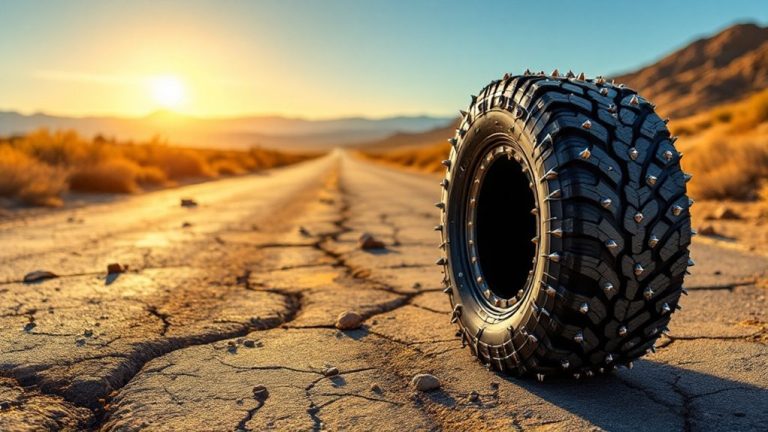
    Studded tires are legal in Washington State, but only for a specific time. You can use them from November 1 to March 31. This period covers icy and dangerous roads, especially in the Cascades. Extra traction is vital in those mountain areas. Outside these dates, studded tires bring a $137 fine. The Washington State Patrol strictly enforces this rule. Why? Studded tires cause road damage, costing $20-29 million every year. Curious about other options? Winter tires might work well instead. Need more details on rules or penalties? Dig deeper for clear answers.

  • Can You Put Gravel Tires On A Road Bike

    Gravel tires can fit on a road bike with the right setup. Make sure your bike frame allows wider tires, usually 30-47mm. Standard road tires are only 25-32mm. Look at the frame clearance near the fork and chainstays. Keep at least 6mm of space for safety. Check if your rims match, ideally 21-25mm wide inside. Disc brakes often work better than rim brakes for this. Always read your bike manual for the max tire size. Curious about more tips? Let’s explore how to adapt your bike easily!

  • Are Studded Tires Allowed In California

    Studded tires are okay in California, but rules are strict. You can use them only from November 1 to April 30. They work best on icy roads during this time. The tires must have tungsten carbide studs. Studs should cover just 3% of the tread. California Highway Patrol checks tires often for safety. Fines happen if you break these rules. Stick to the guidelines to stay safe. Want more details? Keep reading for extra tips and facts.