Care & Maintenance

  • Are Tire Plugs Safe

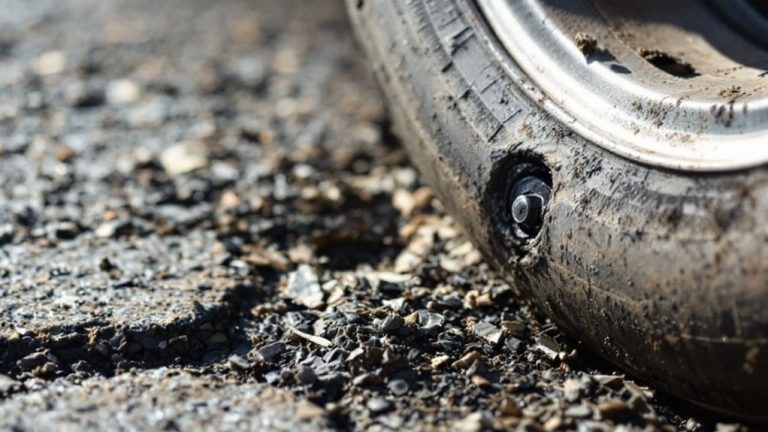
    Tire plugs work well as a short-term fix for small punctures. Think tiny holes in the tread, under 1/4 inch. Use the right tools, like plug-and-patch kits, for safety. Sidewall or shoulder damage? Avoid plugs there. Those spots can cause dangerous blowouts. Plugs might also let water sneak in. This can rust steel belts inside the tire. How long do plugs last? Often 7-10 years or 25,000 miles. Check them often to stay safe. Driving conditions matter a lot too. Stick around for more safety tips.
  • Are Tire Rotations Free

    Tire rotations might cost money, but free options exist sometimes. Many places give free rotations if you buy tires there. Discount Tire does this for their customers. Tires Plus offers free rotations for Bridgestone or Firestone tires. It doesn’t matter where you bought those tires. Costs can be between $20 and $75 if not free. This depends on your car and location. Check different providers for more free deals. Rotating tires helps them last longer. Save money by finding the best offer!

  • Are Tire Plugs Permanent

    Tire plugs don’t last forever as a fix for punctures. They work temporarily, mainly in the tread area. Under good conditions, they might hold for 7 to 10 years. A proper plug can manage up to 25,000 miles. But heat or rough roads can wear them out faster. High speeds also make them less reliable. They won’t fix sidewall damage at all. For holes bigger than 1/4 inch, they’re risky. Curious about safer tire repair choices? Stick around to learn more options!

  • Are Plugged Tires Safe

    Plugged tires are not safe for long use. They can harm your tire’s strength. This raises the risk of blowouts at high speeds. You might notice slow leaks or uneven balance. Such issues mess with your car’s handling. Punctures bigger than ¼ inch are a big problem. Same goes for holes near the sidewall. Emergency plugs can help for small tread holes. But, they only work as a short fix. Strict rules apply to these quick repairs. Stick to them for safety. Want to know more? Check out detailed safety tips below.

  • Are Dry Rotted Tires Safe

    Tires with dry rot are very dangerous to drive on. They can burst suddenly at high speeds. Heavy loads make this risk even worse. A blowout might cause a bad crash. Cracks on the sidewalls show the tire is weak. Traction drops a lot on wet roads. Stopping takes longer, putting you in danger. Small cracks can grow and lead to tire failure. Act now and replace those tires fast. Stick around to learn easy prevention tips. Find out simple rules for tire replacement too.

  • Are Bald Tires Illegal

    Bald tires can get you in trouble with the law. Many places have strict rules on tire tread depth. The federal limit sits at 2/32 inches for cars. California demands 4/32 inches for steering axles. Break these rules, and fines hit hard—between $100 and $500. Safety matters most here. Tires with low tread cause dangerous slips on roads.

    Check this quick guide for clarity:
    – Federal Limit: 2/32 inches
    – California Steering Axle: 4/32 inches

    Stay tuned for key tips on tire care and risks.