• How Are Tires Measured

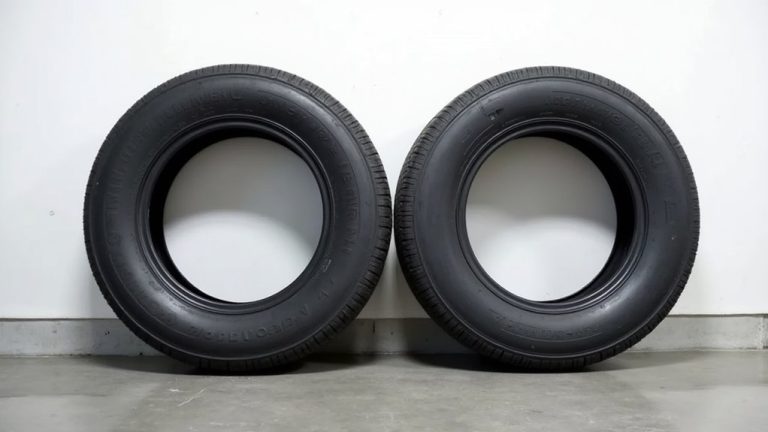
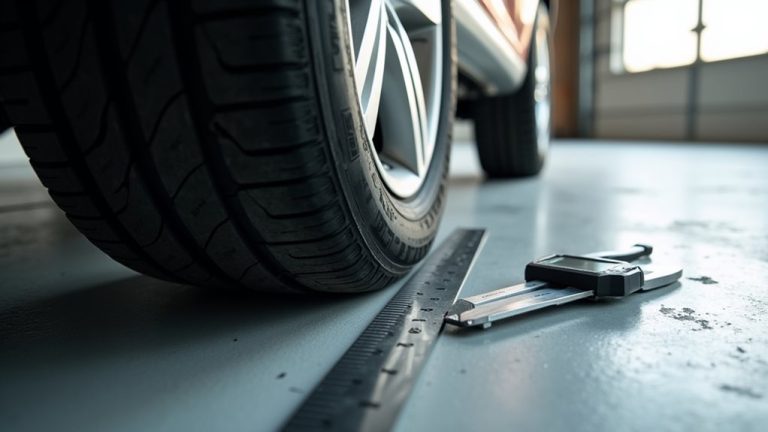
    Tires are measured with simple tools for key details. Use a tape measure to check the diameter. A tread depth gauge shows wear on the tire. Pressure gauges help ensure proper inflation. Key numbers include width in millimeters and wheel size in inches. Sidewall markings like 205/55R16 tell you these details. Aspect ratio shows sidewall height as a percentage. Calculate circumference by multiplying diameter by 3.14. Tread depth matters a lot for safety. Test it with a penny for a quick check. Regular checks keep tires performing well. Stay safe by monitoring these measurements often. Explore more tips to understand tires better.


  • Are Winter Tires Bad In The Summer

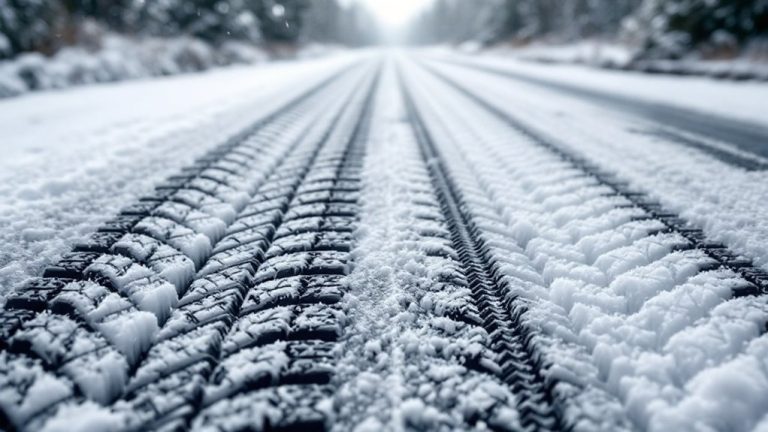
    Winter tires don’t work well in summer. They suit cold, snowy weather, not hot roads. Expect less grip and longer stops on dry pavement. The tread wears out fast, risking safety. Quick turns or sudden stops become dangerous. Hot weather softens the rubber too much. This raises blowout chances and uses 3-5% more fuel. Overheating also makes hydroplaning worse on wet roads. Stay tuned for tips on better tire choices for every season.

  • Are Bald Tires Illegal

    Bald tires can get you in trouble with the law. Many places have strict rules on tire tread depth. The federal limit sits at 2/32 inches for cars. California demands 4/32 inches for steering axles. Break these rules, and fines hit hard—between $100 and $500. Safety matters most here. Tires with low tread cause dangerous slips on roads.

    Check this quick guide for clarity:
    – Federal Limit: 2/32 inches
    – California Steering Axle: 4/32 inches

    Stay tuned for key tips on tire care and risks.

  • Can You Replace 255 Tires With 265

    Swapping 255 tires for 265 tires is possible with some checks. Make sure your vehicle’s rims fit 265 tires, usually 8-10 inches wide. Look at the clearance to stop rubbing on fenders during turns. Confirm the load capacity for safety on every ride. Wider 265 tires boost grip on the road. But they might lower fuel efficiency due to more resistance. Data shows a 4-5% drop in mileage with wider tires. Talk to a tire expert for correct mounting. They can also help with proper alignment. Curious about more tips? Stick around for extra useful advice on tire changes.

  • Are Wider Tires Better For Snow

    Are wider tires better for snow? Let’s break this down simply. Wider tires give more grip on packed snow. They cover a bigger area on the ground. But in deep, soft snow, they struggle a lot. They float and lose traction fast. Narrow tires cut through heavy snow better. They dig deep and keep control.

    Think about your driving area. Do you face deep snow often? Or mostly icy roads? Your vehicle type matters too. A heavy truck needs different tires than a small car. Studies show narrow tires work 20% better in unplowed snow. Pick tires based on your needs. Dive deeper for more tips.

  • Are Bald Tires Dangerous

    Bald tires pose a serious threat to your safety on the road. They lose grip, especially in rain or snow. Tread depth below 2/32 inch raises big risks. You might slide on wet highways or gravel. Braking can cause skids or loss of control. Turns become tricky and dangerous. Tire blowouts lead to about 11,000 crashes yearly in the U.S. Stay alert to these hazards. Check your tires often for wear. Keep yourself safe out there.

  • 7 Best Power Wheels for Off Roading 2026

    Many stock Power Wheels struggle on rough terrain, with flimsy plastic tires and underpowered motors that limit off-road adventures. Upgrading to models or kits with large, durable rubber or EVA tires—like 12″ pneumatic or 14.5″ Alligator treads—and pairing them with enhanced motors significantly boosts traction, ground clearance, and performance on dirt, grass, and gravel. Our picks…

  • 8 Best Balance Bikes for 1-Year-Olds 2026

    Finding the right balance bike for a 1-year-old can be overwhelming, especially when faced with flimsy designs or models that don’t accommodate tiny riders. The best balance bikes for 1 year olds solve this with ultra-lightweight frames—many under 4 lbs—and critical safety features like 135° steering limiters and enclosed wheels to prevent tipping and finger injuries….

  • How Are Lawn Tractor Tires Measured

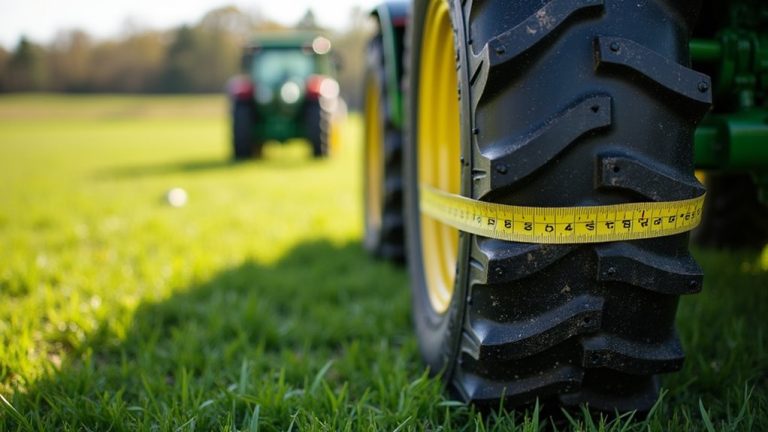
    Lawn tractor tires might seem tricky to measure, but it’s super easy! Let’s break it down. You’ll see two main sizing styles for these tires. One is the two-number style, like 4.80-8. Here, 4.8 means the tire width in inches. The 8 stands for rim diameter in inches. Another style is three-number, like 15×6.00-6. This shows 15 inches for total diameter, 6 inches for width, and 6 for rim size.

    Grab a flexible tape to measure your tire. Check the diameter across the tread first. Then, measure the width at the widest sidewall spot. Make sure the tire has air for correct numbers. Accurate measurements help find the right replacement tire.

    Curious about compatibility? Match the rim size with your tractor’s specs. Wrong sizes can mess up performance. Maintenance matters too! Check tires for cracks or wear often. Keep them inflated to the right pressure. This extends their life and keeps rides smooth. Stick with these tips, and you’re all set!

  • Are Studded Tires Legal In Washington State

    Studded tires are legal in Washington State, but only for a specific time. You can use them from November 1 to March 31. This period covers icy and dangerous roads, especially in the Cascades. Extra traction is vital in those mountain areas. Outside these dates, studded tires bring a $137 fine. The Washington State Patrol strictly enforces this rule. Why? Studded tires cause road damage, costing $20-29 million every year. Curious about other options? Winter tires might work well instead. Need more details on rules or penalties? Dig deeper for clear answers.