• Does Tire Width Matter

    Tire width plays a big role in your car’s performance and safety. It changes how your vehicle handles on the road. Narrow tires save fuel by cutting down rolling resistance. Wider tires create more drag and use extra gas. Data shows narrow tires can boost mileage by 5-10%.

    Grip improves with wider tires, especially during sharp turns. Yet, steering might feel heavier with them. Narrow tires often make rides smoother. Their taller sidewalls soak up bumps on rough roads. Wider tires? They pass more noise into the cabin.

    Think about your needs before picking a width. Safety, comfort, and fuel costs all tie to this choice. Explore more to find the best fit for your car!


  • Are Wider Tires Better For Snow

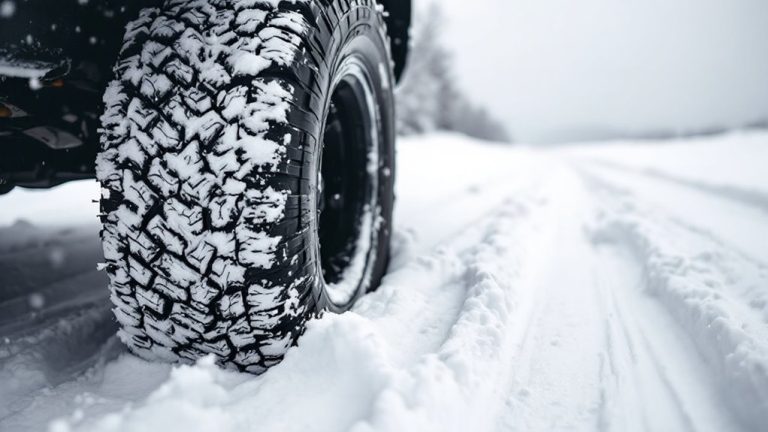
    Are wider tires better for snow? Let’s break this down simply. Wider tires give more grip on packed snow. They cover a bigger area on the ground. But in deep, soft snow, they struggle a lot. They float and lose traction fast. Narrow tires cut through heavy snow better. They dig deep and keep control.

    Think about your driving area. Do you face deep snow often? Or mostly icy roads? Your vehicle type matters too. A heavy truck needs different tires than a small car. Studies show narrow tires work 20% better in unplowed snow. Pick tires based on your needs. Dive deeper for more tips.

  • Are 3 Wheel Bikes Good For Seniors

    Seniors can truly benefit from 3-wheel bikes. They offer amazing stability on different grounds. This cuts down the chance of falling a lot. Their low design and wide base give a safe ride. You feel confident every time you pedal. Soft, reclined seats add comfort for your back and neck. Long rides become easy and pain-free. These bikes also boost heart health with light exercise. They help you stay active and mobile. Easy-access frames make getting on super simple. Studies show seniors fall less with 3-wheel bikes. Over 70% of users feel safer riding them. Keep exploring to find more great perks.

  • Are Studded Tires Legal In Washington State

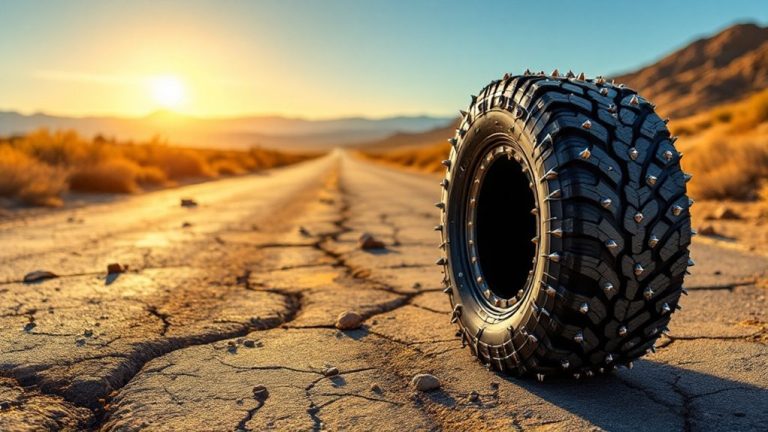
    Studded tires are legal in Washington State, but only for a specific time. You can use them from November 1 to March 31. This period covers icy and dangerous roads, especially in the Cascades. Extra traction is vital in those mountain areas. Outside these dates, studded tires bring a $137 fine. The Washington State Patrol strictly enforces this rule. Why? Studded tires cause road damage, costing $20-29 million every year. Curious about other options? Winter tires might work well instead. Need more details on rules or penalties? Dig deeper for clear answers.

  • Are Studded Tires Allowed In California

    Studded tires are okay in California, but rules are strict. You can use them only from November 1 to April 30. They work best on icy roads during this time. The tires must have tungsten carbide studs. Studs should cover just 3% of the tread. California Highway Patrol checks tires often for safety. Fines happen if you break these rules. Stick to the guidelines to stay safe. Want more details? Keep reading for extra tips and facts.

  • Are Studded Snow Tires Legal

    Are studded snow tires legal? The answer depends on your state’s rules. Laws change a lot across places. Some worry about safety and road damage. Others think about the environment. Florida and Minnesota ban metal studs all year. Colorado says you can use them anytime. Oregon allows them from October 1 to April 15. Always check your local laws for exact dates. Fines might hit if you break rules. Curious about your state? Dig into specific guidelines and stay safe. Got questions on restrictions? Look up details to avoid trouble.

  • Are Snow Tires Good In The Rain

    Snow tires rock in the rain, especially in cold, wet weather under 45°F. Their soft rubber stays bendy and grips slick roads super well. Deep tread with grooves cuts down hydroplaning on slushy paths. They stop 30% faster than all-season tires on icy, wet roads. That’s a big safety win for sure! Test tread wear often with a penny trick. Keep your ride safe every time. Dig deeper for more cool tips and facts.

  • Are Off Road Tires Good In The Snow

    Are off-road tires good for snow? Let’s find out together. These tires shine in mud and rocks. But snow? Not always the best choice. Their hard rubber gets stiff in cold. This means less grip on icy roads. Big tread gaps fill with snow fast. That messes up your control. Still, they work in deep, unplowed snow. Rural areas? They can handle that. Slick surfaces are a big problem, though. Data shows snow tires grip 30% better. Stick around for more winter tire tips. Let’s keep your ride safe!

  • How To Get Tires 7 Days To Die

    Tires in *7 Days to Die* are easy to find or make. Check gas stations for quick loot. Mechanic shops often have tires lying around. Roadside spots like Pass ‘n Gas are great too. Armstrong Auto offers high chances for tire drops. Want to craft them instead? Use a workbench for that. You need 3 forged iron and 24 scrap polymer. Add 2 oil and some acid as well. Gather these from old garages or broken cars. Traders can help too. Visit Trader Bob for tire stock. Keep exploring for more loot spots. Simple, right? Stick to these tips. You’ll get tires fast!

  • Are Mud Tires Good For Snow

    Are mud tires good for snow? Sad to say, they don’t work well. Their big, chunky treads slip on packed snow or ice. Mud tires have hard rubber that gets stiff below 45°F. This cuts down grip a lot. Winter tires stay soft and grab better. Mud tires miss the tiny cuts and V-grooves snow tires have. Traction suffers because of this. Safety matters most in bad weather. Try winter tires or all-terrain ones instead. Dig deeper for more tips and facts.

  • How To Get Full Slick Tires On No Limit

    Want full slick tires in *No Limit Drag Racing 2.0*? Let’s dive right in! Pick road racer cars first. They work best on dry tracks. Focus on upgrades like suspension fixes. Better grip helps a lot. Join live events or special challenges. Some need specific vehicle levels. Win these to unlock exclusive tire rewards. Watch YouTube for cool tips. Community forums share winning tricks too. Stick to this plan. You’ll find awesome results soon!

  • How Often Do Airplanes Change Tires

    Airplanes swap their tires pretty often, usually every 150 to 400 landings. This depends on the plane type, how they fly, and tough conditions. Regional jets might need new tires after just 150 flights. Why? They take off a lot. Bigger widebody planes can go up to 400 landings. Rough landings or bad weather can wear tires faster. Taxiing on runways also adds extra stress. Crews check tire tread and look for damage all the time. Safety comes first, no risks allowed. Stay tuned for more cool facts.