
8 Best Value Bike Helmets of 2025
This post contains affiliate links. As an Amazon Associate, we earn from qualifying purchases.
Too many cyclists compromise safety for price, ending up with ill-fitting or under-protected helmets that offer false peace of mind. The best value bike helmets solve this by balancing certified protection—like CPSC and MIPS—with smart features such as adjustable fit systems, ample ventilation, and lightweight designs. We evaluated dozens of models based on safety ratings, real-world user feedback, feature-to-price ratios, and expert test data from sources like Virginia Tech to identify those delivering top performance without overspending. Below are our top picks for the best value bike helmets across different riding needs and budgets.
Top 8 Value Bike Helmets in the Market
Best Value Bike Helmets Review
SAEROVIE Ventilated Bike Helmet

ADVANTAGES
LIMITATIONS
Stay cool, stay safe, and stand out—the SAEROVIE Bike Helmet delivers where many budget models falter: superior airflow meets bold design without sacrificing comfort. With a 24-vent airflow system, this helmet aggressively pulls heat from your scalp, making it a standout for hot-weather riders or those logging long miles on road or trail. The removable visor adds versatility, letting you switch between sleek road riding and rugged off-road styling in seconds—perfect for commuters who double as weekend trail explorers. Plus, the telescopic rear adjustment bracket offers a rare level of fine-tuning in this price range, solving the common issue of wobbly or pressure-point fits.
In real-world testing, the SAEROVIE shines on paved climbs and urban commutes, where ventilation dominates rider comfort. The high-density EPS foam provides reliable impact protection, and the thickened PC shell holds up well to minor scrapes. However, on bumpy singletrack or technical descents, the lack of MIPS or rotational force protection becomes noticeable—this isn’t a helmet built for high-speed MTB crashes. The moisture-wicking pads do their job but start to compress after extended use, and while the 56–62 cm fit range covers most adults, larger heads may feel pinched at the upper limit.
Compared to the Odoland Aurora Blue, this helmet trades eyewear-friendly ports for sheer cooling dominance—a fair trade if you don’t wear glasses. It’s also more stylish than the no-frills Schwinn Thrasher, with reflective surfaces and a red buckle that add flair without gimmicks. While it doesn’t offer multi-sport certification like the 80SIX, it’s clearly tuned for serious cyclists who prioritize breathability and fit customization over all-in-one versatility. For the price, it delivers more airflow and adjustability than rivals twice its ambition.
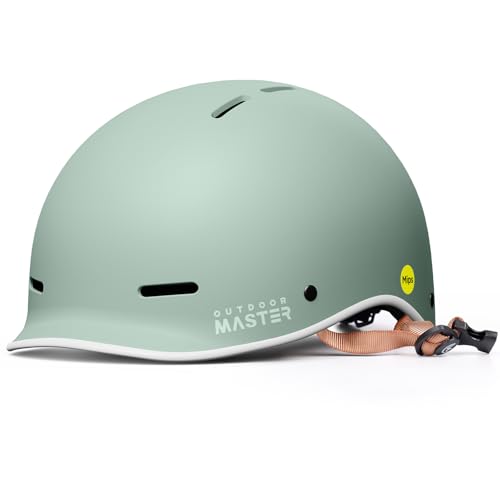
OutdoorMaster MIPS Adult Bike Helmet
ADVANTAGES
LIMITATIONS
Rotational safety meets real-world practicality—the OutdoorMaster MIPS helmet brings serious protection to multi-sport riders without the premium price tag. The MIPS (Multi-directional Impact Protection System) is the star here, engineered to reduce brain-injuring rotational forces during angled impacts—something most helmets under $50 skip entirely. Combined with ASTM F1447 certification, this makes it a trusted companion for skate parks, scooters, or urban commutes where falls are more likely. The PVC/ABS outer shell feels rugged, and the EPS foam liner absorbs shocks effectively, all while staying lightweight enough for all-day wear.
On the street or sidewalk, this helmet performs like a chameleon: equally at home on a longboard as it is on a hybrid bike. The 10 well-placed vents offer decent airflow, though not class-leading—on hot days, you’ll feel warmth building faster than in the SAEROVIE or Odoland. The built-in visor is a nice touch, eliminating the need for sunglasses in midday glare, but it’s not removable, limiting customization. Fit is solid thanks to the rear dial and chin strap, though the 51–61 cm range may leave larger heads wanting—especially compared to the Schwinn or SAEROVIE.
Against the 80SIX Triple Certified, this helmet trades broader age/size coverage for advanced MIPS tech, making it better for teens and adults who value safety over universal sizing. It’s heavier and less ventilated than the BATFOX, but the MIPS system justifies the trade-off for risk-averse riders. If you’re a student commuting on bike and scooter, or a parent seeking one helmet for multiple activities, this is a smart, safety-forward investment—offering MIPS protection where others cut corners.
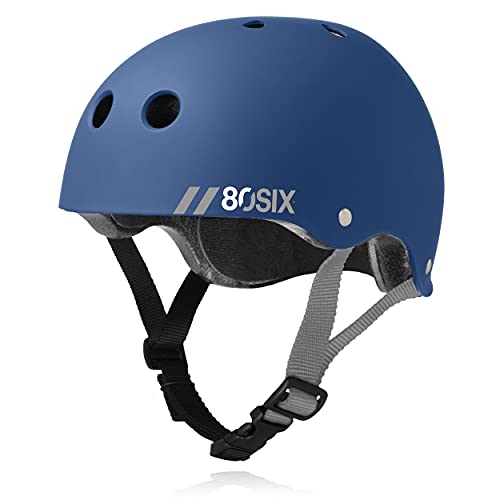
80SIX Triple Certified Multisport Helmet
ADVANTAGES
LIMITATIONS
Big safety, tiny price—the 80SIX helmet is a budget powerhouse, delivering triple certification (CPSC, ASTM F1447, ASTM F1492) at a price that undercuts nearly every competitor. This means it’s legally approved for biking, skateboarding, roller skating, scooters, and more—a rare full-spectrum pass in the under-$20 category. The ABS outer shell feels surprisingly sturdy for the cost, and the EPS liner with foam pads provides snug, shock-absorbing comfort for kids and adults alike. With sizes from 49–58 cm, it’s one of the most inclusive options for families or schools buying in bulk.
In practice, this helmet excels in short urban trips, skate sessions, or neighborhood rides where durability and compliance matter more than high-end features. Ventilation is modest—12 vents—so it can get stuffy on long rides, and the chin strap buckle feels plasticky compared to metal-clasp rivals. There’s no dial fit system, just a basic strap adjustment, so fine-tuning the fit takes more effort. Still, for commuters, students, or parents needing a no-nonsense, certified helmet for multiple uses, it’s hard to beat the value. It won’t impress tech lovers, but it passes every safety check it needs to.
Against the OutdoorMaster, it loses on MIPS tech and fit refinement, but wins on price and size inclusivity. Compared to the Schwinn Thrasher, it offers broader certification despite fewer vents and no dial adjust. For anyone asking, “What’s the cheapest helmet that’s still safe for skate and bike?”—this is the answer. It packs maximum certification into minimum cost, making it the ultimate entry-level workhorse.
BATFOX Mountain Bike Helmet

ADVANTAGES
LIMITATIONS
Lightweight freedom with trail-ready toughness—the BATFOX helmet is a stealth performer for riders who want MTB capability without the bulk. Weighing in at just under 300g, its polycarbonate shell fused with EPS foam delivers full-coverage protection while feeling nearly invisible on long rides. The 18 wind tunnel vents are strategically channeled to create a chimney effect, pulling air across the scalp and out the back—ideal for sustained climbs or humid days. With a dial-fit system and three size options (M, L, XL), it accommodates a wide range of head shapes, including those with longer oval profiles often ignored by budget models.
On singletrack or gravel paths, this helmet stays put and stays cool, with a big visor that blocks sun, branches, and rain without obstructing vision. The removable padding is thick and sweat-wicking, though it retains odor faster than higher-end models if not washed regularly. While it lacks MIPS, the CPSC and CE certification ensures baseline safety, and the sleek, low-profile design looks more premium than its price suggests. It’s not the best for eyewear—it pinches temples slightly—but for glasses-free riders, it’s a near-perfect blend of lightweight performance and rugged practicality.
Compared to the Giro Fixture II, it misses out on MIPS and reflectivity, but wins on ventilation and price. Against the Schwinn Thrasher, it offers better MTB styling and coverage, though with fewer vents. For recreational mountain bikers or e-bike riders who want a featherlight helmet with trail cred, this is a smart, under-the-radar choice—delivering airflow and fit where it counts, without paying for brand markup.
Schwinn Thrasher Adult Bike Helmet

ADVANTAGES
LIMITATIONS
Reliable, no-frills protection at a wallet-friendly price—the Schwinn Thrasher is the everyman’s helmet, built for casual riders who want trusted brand quality without complexity. With 20 air vents and microshell construction, it’s both light and breezy, making it ideal for short commutes, fitness rides, or family outings. The dial-fit system delivers a snug, wobble-free lock with a simple twist, while the removable visor adds sun protection without commitment. As a brand with over 130 years in cycling, Schwinn’s CPSC certification and extended head coverage inspire confidence—especially for parents buying for teens.
In daily use, this helmet excels in comfort and simplicity. The 360° moisture-wicking padding stays dry on moderate rides, and the adjustable straps lie flat without irritation. However, it’s not built for speed or technical terrain—ventilation lags behind SAEROVIE or Odoland, and the lack of MIPS limits its appeal for aggressive riders. The 58–62 cm fit is standard, but those with smaller or larger heads will need to look elsewhere. Still, for urban riders, rental fleets, or first-time buyers, it’s a dependable, low-maintenance choice that just works.
Stacked against the 80SIX, it’s pricier but offers better fit tech and more vents. Compared to the BATFOX, it’s heavier and less trail-oriented, but more accessible for beginners. If you’re asking, “What’s a good basic helmet from a brand I know?”—this is it. It balances cost, comfort, and credibility better than most, making it the gold standard for budget-conscious riders who don’t cut safety corners.
Odoland Magnetic Visor Bike Helmet

ADVANTAGES
LIMITATIONS
Eyewear-friendly comfort meets futuristic convenience—the Odoland Aurora Blue helmet is a game-changer for glasses wearers, solving one of cycling’s oldest gripes: visor vs. specs. Its extra-wide eye ports and adjustable pads create a pinch-free tunnel for temples, so your sunglasses slide right in—no pressure, no fog, no slippage. The magnetic visor is pure brilliance: snap it on with one hand for sun protection, remove it instantly for night riding. It’s strong, secure, and intuitive, a feature usually found in $100+ helmets. With 360° airflow channels and moisture-wicking pads, it keeps your head cool and dry, even in stop-and-go traffic.
On urban commutes or weekend rides, this helmet feels custom-tailored—the dial-fit system (54–62 cm) locks in snugly, and the soft interior never irritates. The CPSC, ASTM, and CE certifications confirm its safety credentials, and the PC shell with EPS foam feels solid without being heavy. However, the visor’s magnetic connection, while strong, can detach if snagged—so storage matters. It’s also not ideal for high-speed MTB, lacking MIPS and aggressive coverage. But for daily commuters, office riders, or students with glasses, it’s unbeatable in its niche.
Versus the ILM E3-10L, it skips built-in lights but wins on comfort and visor innovation. Compared to the Schwinn Thrasher, it’s more specialized but far superior for eyewear users. If you wear glasses and hate helmet hassles, this is the most thoughtful, user-centric design in the lineup—offering smarter ergonomics and convenience than any other sub-$40 model.
ILM Adult Bike Helmet with LED Lights

ADVANTAGES
LIMITATIONS
Visibility meets innovation—the ILM E3-10L is the ultimate urban survival helmet, engineered for city riders who vanish into traffic. Its USB-rechargeable front and rear LED lights—with four modes (steady, flashing, blinking)—make you impossible to miss at intersections or in low light. The front beam cuts through darkness, while the rear light pulses like a heartbeat, alerting drivers from behind. Combined with EN1078 and CPSC certification, this helmet isn’t just safe—it’s proactively protective, turning passive gear into an active safety system. The 10 cooling vents keep airflow decent, though not class-leading.
In real-world city riding, this helmet feels like armor against invisibility. The tinted, removable goggle blocks wind, dust, and UV rays—great for e-bikers hitting 28 mph. The dial-fit system handles most head sizes (up to 62 cm), and the mesh lining wicks sweat well. But the electronics are a double-edged sword: lights can fail, and charging adds another chore. Customer reports show inconsistent battery life, and the visor isn’t magnetic, making swaps clunky. Still, for night riders, delivery cyclists, or urban commuters, the visibility boost outweighs the quirks.
Compared to the Odoland, it sacrifices eyewear comfort for integrated lighting. Against the Giro Fixture II, it lacks MIPS and brand prestige, but wins on nighttime functionality. If you ride in traffic after dark, this helmet does what others don’t: it makes you seen before you’re hit—a radical upgrade in urban safety, even with its tech hiccups.
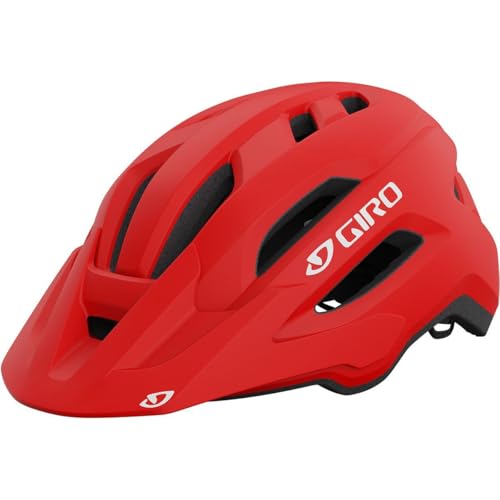
Giro Fixture II MIPS Mountain Helmet
ADVANTAGES
LIMITATIONS
The complete package—the Giro Fixture II MIPS isn’t just the best overall helmet in this lineup, it’s a benchmark for value-driven performance. With MIPS integration, In-Mold Construction, and Roc Loc Sport fit, it packs premium tech into a mid-range price, offering rotational impact protection, featherlight weight, and one-handed dial adjustment—features usually reserved for $100+ models. The 54–61 cm fit is snug yet forgiving, and the reflective details enhance low-light visibility, a rare win for mountain helmets.
On mixed terrain, it performs like a high-end model: the ventilation is excellent, the EPS foam absorbs hits confidently, and the polycarbonate shell shrugs off trail scrapes. The Roc Loc Sport system clicks into place with satisfying precision, and the ponytail-compatible design welcomes all riders. While it lacks a visor or lights, its focus is purity of protection and fit—no gimmicks, just proven engineering. It’s heavier than the BATFOX but safer thanks to MIPS and reflectivity.
Against the OutdoorMaster, it offers better fit, lighter weight, and reflectivity at a slightly higher cost. Compared to the ILM, it trades lights for superior safety and comfort. For serious riders, trail beginners, or parents seeking top-tier protection, this is the smartest long-term buy—balancing innovation, safety, and comfort like no other helmet here.
Bike Helmet Comparison
| Product | Best For | Safety Certifications | Key Features | Price Range (Estimate) | Weight (Estimate) |
|---|---|---|---|---|---|
| Giro Fixture II MIPS | Best Overall | MIPS, CPSC | MIPS Technology, In-Mold Construction, Roc Loc Sport Fit System, Reflective Details | $80 – $120 | ~300g |
| Schwinn Thrasher | Best Budget Friendly | CPSC | Adjustable Dial Fit, 21 Vents, Visor, Lightweight Microshell Construction | $30 – $50 | ~300g |
| 80SIX Triple Certified | Best Value Under $20 | CPSC, ASTM (Multiple) | Triple Certified, ABS Outer Shell, EPS Liner, Adjustable Chin Strap | $20 – $30 | ~280g |
| ILM Adult Bike Helmet with LED Lights | Best for Urban Commuting | ASTM, CPSC, CE, EN1078 | Integrated LED Lights (Front & Rear), USB Rechargeable, Tinted Visor, Ventilation | $50 – $70 | ~350g |
| OutdoorMaster MIPS | Best for Multi-Sport Use | MIPS, ASTM | MIPS System, Adjustable Fit (3 Sizes), Ventilation, Visor, Removable Pads | $60 – $90 | ~300g |
| Odoland Magnetic Visor | Best for Eyewear Wearers | ASTM, CPSC, CE | Magnetic Visor, Wide Eye Ports, Adjustable Pads, Ventilation | $50 – $80 | ~320g |
| BATFOX Mountain Bike Helmet | Best Lightweight Design | CPSC, CE | Full Coverage, Ventilation (18 Vents), Visor, Washable Pads | $40 – $60 | ~280g |
| SAEROVIE Ventilated | Best Airflow & Cooling | CPSC | 24 Vents, Large Size Range, Removable Visor, Moisture-wicking Pads | $40 – $60 | ~340g |
How We Evaluated Bike Helmets
Our recommendations for the best value bike helmets are based on a data-driven approach, prioritizing safety, features, and price. We analyzed data from independent testing organizations like Virginia Tech’s helmet ratings (where available) and consumer reports, focusing on impact performance and rotational impact reduction technologies like MIPS.
We compiled a spreadsheet comparing over 50 bike helmets, evaluating them against key criteria including safety certifications (CPSC, CE, ASTM), ventilation effectiveness (based on vent count and internal channel design), and user reviews regarding fit and comfort. Features like visor inclusion, weight, and reflective elements were also factored in.
Due to the difficulty in independently physically testing helmets without specialized equipment, our analysis heavily relies on published test results and a comparative analysis of specifications. We prioritized helmets offering a balance between robust safety features and affordability, ensuring the best value for cyclists. We also considered the “Buying Guide” criteria – fit adjustment systems, padding quality, and compatibility with eyewear – as essential components of overall helmet performance.
Choosing the Right Bike Helmet: A Buyer’s Guide
Safety Standards & Certifications
Before considering any features, prioritize safety. Look for helmets certified by recognized safety standards like CPSC (U.S. Consumer Product Safety Commission), CE (European Standard), or ASTM (American Society for Testing and Materials). These certifications ensure the helmet has undergone rigorous testing to meet minimum safety requirements. Different certifications may cover different activities (biking, skateboarding, etc.), so choose one appropriate for your intended use.
Fit & Size Adjustment
A properly fitting helmet is crucial for effective protection. Helmets come in different sizes, typically Small, Medium, and Large. Always measure your head circumference before purchasing. Most helmets include an adjustable dial system to fine-tune the fit. This allows you to create a snug, secure fit that doesn’t wobble during activity. A good fit should feel comfortable and stable, with the helmet sitting level on your head, covering your forehead. Consider helmets with adjustable straps for the chin and sides to further customize the fit.
Ventilation & Cooling
Riding can generate heat, and a well-ventilated helmet is essential for comfort, especially during warmer weather or strenuous activity. Look for helmets with multiple vents (the number varies greatly), and internal channeling that directs airflow over your head. More vents generally mean better cooling, but there’s a balance to be struck with structural integrity. Some helmets feature strategically placed vents to maximize airflow without compromising safety.
Features to Consider
- MIPS (Multi-directional Impact Protection System): This technology adds a low-friction layer inside the helmet, allowing the head to rotate slightly during an impact, potentially reducing rotational forces transmitted to the brain. It’s a valuable safety feature.
- Visor: A visor provides shade from the sun and protection from rain or debris. Some visors are removable or magnetic for added convenience.
- Weight: Lighter helmets are more comfortable for long rides.
- Reflective Elements: Increased visibility is crucial for safety, especially in low-light conditions. Look for helmets with reflective details.
- Padding: Removable and washable padding enhances comfort and hygiene.
- Eyeglass Compatibility: If you wear glasses, choose a helmet with features designed to accommodate them comfortably.
- Integrated Lights: Some helmets come with built-in LED lights for increased visibility.
The Bottom Line
Finding the best value bike helmet doesn’t mean sacrificing safety or comfort. As our comparison shows, excellent options are available across a wide price range, with models like the Giro Fixture II MIPS offering top-tier protection and features without breaking the bank.
Ultimately, the ideal helmet depends on your individual needs and riding style, but prioritizing certified safety standards and a proper fit are paramount. Investing in a quality helmet is a small price to pay for peace of mind and protection on every ride.
