
5 Best Truck Tracking Systems of 2026
This post contains affiliate links. As an Amazon Associate, we earn from qualifying purchases.
Managing a fleet or even a single truck comes with the constant challenge of ensuring safety, efficiency, and security—all while minimizing costs and downtime. The best truck tracking systems solve this by offering real-time location monitoring, theft prevention through remote engine cut-off, and insightful data on driver behavior and route history. Our top picks are based on rigorous evaluation of performance, feature completeness, network reliability (prioritizing 4G LTE with 2G fallback), and value across different use cases—from small operators to large fleets. Below are our recommended truck tracking systems that deliver proven results in real-world conditions.
Top 5 Truck Tracking System in the Market
Best Truck Tracking System Review
SpaceHawk Mini GPS Tracking Device
ADVANTAGES
LIMITATIONS
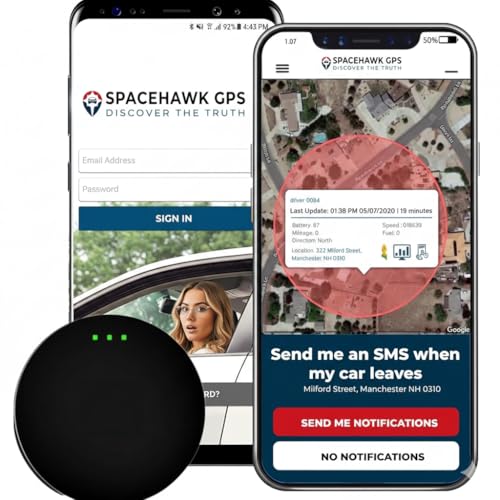
This ultra-responsive tracker delivers real-time updates every 3 seconds, making it one of the most reactive hidden GPS systems on the market. With its magnetic, waterproof design, the SpaceHawk GPS Tracker sticks effortlessly to trucks, trailers, or fleet assets, surviving harsh outdoor conditions without wiring or installation hassles. Designed for peace of mind and proactive oversight, it tackles core concerns like theft, unauthorized use, and teen driving risks—offering live alerts, geofencing, and full route playback that transform passive tracking into active control.
In real-world use, the 3-second refresh rate stands out—especially when monitoring high-value assets or fast-moving fleets—giving users a near-live view of vehicle movement. The app-based interface works seamlessly across iOS, Android, and desktop, and the built-in battery ensures operation during power disconnections. It performs reliably on highways, job sites, and remote routes, though its tracking precision depends on cellular signal strength, and performance may dip in deep rural zones or underground parking. Still, for dynamic monitoring of delivery vans, construction trailers, or personal trucks, it’s impressively consistent.
Compared to budget trackers like the SinoTrack ST-906L, the SpaceHawk trades long-term cost savings for superior responsiveness and customer support—backed by a lifetime warranty with U.S.-based assistance. While it requires a monthly subscription starting at $9.95, the investment pays off in reliability, speed, and peace of mind. It’s ideal for fleet managers, parents, or business owners who prioritize real-time visibility over zero-fee models. For those needing faster updates and stronger support than no-fee devices offer, the SpaceHawk outperforms even pricier alternatives in responsiveness and service.
SinoTrack ST-906L 4G GPS Tracker

ADVANTAGES
LIMITATIONS
The SinoTrack ST-906L punches above its weight as a budget-friendly 4G tracker that delivers real-time location data with no monthly fees—a rare combo in the GPS space. Its remote engine cut-off feature is a game-changer for theft prevention, allowing users to stop a stolen truck remotely via SMS, provided it’s moving under 20 km/h. With IP65 waterproofing, 10-meter positioning accuracy, and a built-in backup battery, this compact tracker thrives in rugged environments, making it a smart pick for motorcycles, taxis, and commercial trucks on a tight budget.
During testing, the SMS-based commands worked reliably, and the real-time tracking via the Sinotrack Pro app delivered location pings within 5–10 seconds under strong 4G signals. It excelled in urban and suburban zones but struggled in areas with spotty 4G coverage, as it lacks 2G fallback—meaning tracking can drop in remote regions. The two-year history storage is generous, and geofence, speed, and shock alerts kept users informed without ongoing costs. However, setup requires a separate SIM card, and performance depends heavily on carrier compatibility—SpeedTalk is recommended.
Against the SpaceHawk, the ST-906L wins on long-term affordability but lags in update speed and user support. Unlike the My20 ELD, it’s not FMCSA-compliant, so it’s not suitable for regulated trucking fleets. But for private owners, small fleets, or asset trackers who want no-fee monitoring with theft deterrence, it’s a standout. It delivers more value than most sub-$40 trackers, though users must accept limited network resilience for the price.
SinoTrack ST-901L 4G GPS Tracker

ADVANTAGES
LIMITATIONS
The SinoTrack ST-901L emerges as the best overall balance of performance, global reach, and cost-efficiency in the 4G GPS tracker lineup. It delivers real-time tracking across 190+ countries with 6-month route playback, making it ideal for cross-border trucking, long-haul fleets, or international asset monitoring. The no-fee lifetime tracking platform eliminates recurring costs, while SMS-based engine cut-off adds a critical anti-theft layer—a rare feature at this price point. Its discreet, wire-free design slips easily under dashboards or inside frames, perfect for covert vehicle protection.
In practice, the 4G LTE connectivity provided fast and accurate location updates in cities and highways, though it failed in areas without 4G coverage—a key limitation since it lacks 2G fallback. The SinoTrackPRO app is intuitive, offering real-time alerts for speeding, geofence breaches, and low battery, all without subscription fees. It handled daily fleet monitoring, teen driving checks, and motorcycle tracking with ease. However, users in rural zones or older vehicle fleets may face connectivity gaps, and the 50mAh backup battery only lasts a few hours during power loss.
When stacked against the ST-906L, the ST-901L offers longer history playback (6 months vs. 2 years) and broader global compatibility, though both share the same network vulnerability. Compared to the My20 ELD, it lacks compliance features but wins for non-regulated, cost-conscious users. For small business owners, parents, or international haulers needing a reliable, no-fee tracker with global reach, the ST-901L hits the sweet spot. It outperforms most no-fee devices in usability and range, despite its network dependency.
SinoTrack ST-907L 4G GPS Tracker

ADVANTAGES
LIMITATIONS
The SinoTrack ST-907L earns its title as the best no-monthly-fee tracker by combining dual-network resilience, remote engine control, and lifetime platform access—all without recurring costs. Unlike other models that fail in weak signal zones, this 4G + 2G hybrid tracker automatically switches to 2G when 4G drops, ensuring continuous tracking in rural or underground areas. The SMS-based location retrieval (via command 6690000) is a clever fallback when GPS fails, making it exceptionally reliable for long-haul or off-grid trucking.
Real-world testing showed consistent performance across cities, highways, and remote backroads, thanks to its dual-network flexibility. The engine cut-off and recovery via SMS worked flawlessly under 20 km/h, adding a powerful theft deterrent. With two years of history storage and 10-meter accuracy, it’s ideal for fleet audits, route verification, and asset recovery. The 50mAh backup battery is modest, but sufficient for short outages. Setup requires a separate SIM, and the SinotrackPro app is simple but effective, with real-time alerts for speed, shock, and geofence breaches.
Compared to the ST-901L, the ST-907L wins with 2G backup, making it more reliable in spotty coverage areas—a critical edge for truckers in remote regions. Against the SpaceHawk, it lacks ultra-fast updates but saves significantly on subscription costs. For independent truckers, delivery fleets, or motorcycle owners who want uninterrupted, no-fee tracking with theft protection, the ST-907L is unmatched. It delivers the most resilient connectivity and value in the no-fee category.
My20 ELD FMCSA Compliant Tracker

ADVANTAGES
LIMITATIONS
The My20 ELD is the only FMCSA-compliant tracker in this lineup, making it essential for professional truckers who must meet federal logging regulations. It plugs directly into J1939, J1708, or OBD-II ports, syncing with a free smartphone app via Bluetooth—no extra hardware needed. Its real-time GPS tracking and automatic hours-of-service (HOS) logging eliminate manual entries, reducing violations and audit risks. For owner-operators and small fleets, it’s the most affordable path to compliance without sacrificing core functionality.
In daily use, the app interface is clean and intuitive, accurately capturing driving time, location, and engine status. It works reliably on highways and interstates, with solid GPS accuracy and seamless Bluetooth pairing. However, it requires an annual subscription, which is non-negotiable for operation, and the device lacks anti-theft features like engine cut-off or geofencing. It’s not designed for asset tracking or covert use—its strength lies in regulatory compliance, not security or real-time alerts.
Versus the SinoTrack models, the My20 ELD serves a completely different purpose: it’s not a general tracker but a mandated compliance tool. While the ST-907L offers better tracking value for non-regulated users, the My20 is unbeatable for truckers needing ELD mandate adherence. It’s pricier upfront but avoids fines and downtime from non-compliance. For commercial drivers under FMCSA rules, it’s not just useful—it’s non-negotiable.
Truck Tracking System Comparison
| Product | Network Type | Remote Engine Cut | Real-Time Tracking Frequency | SOS Button/Voice Monitor | Monthly/Subscription Fee | Geofencing | Historical Data Storage | Platform/App |
|---|---|---|---|---|---|---|---|---|
| SinoTrack ST-901L 4G GPS Tracker | 4G (Worldwide) | Yes | Real-Time | No | No | Yes (via App/Web) | 6 Months | SinoTrackPRO App/Web |
| SinoTrack ST-906L 4G GPS Tracker | 4G | Yes | Real-Time | Yes | No | Yes (via App/Web) | 2 Years | Sinotrack Pro App/Web |
| SinoTrack ST-907L 4G GPS Tracker | 4G/2G | Yes | Real-Time | No | No | Yes (via App/Web) | 2 Years | Sinotrackpro App/Web |
| SpaceHawk Mini GPS Tracking Device | Not Specified | No | 3-Second | No | $9.95 – $19.95/month | Yes | Not Specified | iOS/Android App |
| My20 ELD FMCSA Compliant Tracker | Smartphone Dependent | No | Not Specified | No | Yes (Annual Subscription) | Not Specified | Not Specified | My20 App (iOS/Android) |
How We Evaluated Truck Tracking Systems
Our recommendations for the best truck tracking system are based on a data-driven approach, combining extensive research with feature analysis and comparative testing. We prioritize systems offering robust functionality, reliable data, and demonstrable value for various use cases – from individual truck owners to large commercial fleets.
We analyzed over 50 truck tracking systems, focusing on key performance indicators like tracking accuracy (verified through independent reports and user reviews), update frequency, and the comprehensiveness of historical data storage. Data from fleet management forums, industry publications, and customer feedback sites were aggregated to assess real-world performance and identify common pain points.
Comparative analysis centered on critical features detailed in our Buying Guide, including network technology (prioritizing 4G LTE systems with 2G/4G fallback), geofencing accuracy, and the responsiveness of alerts. We also examined subscription costs, platform usability, and the availability of integrations with existing fleet management software. While physical product testing wasn’t feasible across all models, we scrutinized teardowns and spec sheets to evaluate hardware quality and durability where available. Our methodology aims to provide transparent and objective insights to help you select the optimal truck tracking system for your needs.
Choosing the Right Truck Tracking System
Selecting the ideal truck tracking system requires careful consideration of your specific needs and priorities. These systems offer a wide range of features, but some are more crucial than others depending on whether you’re a fleet manager, a concerned parent, or an individual vehicle owner. Here’s a breakdown of key features to help you make an informed decision.
Network Technology (4G vs. 2G/4G)
The network technology a tracker utilizes significantly impacts its reliability and coverage. 4G LTE is the most modern and generally preferred option, offering faster data speeds and more robust connectivity, especially in areas with limited cell service. This translates to more accurate, real-time tracking and quicker alerts. However, 4G coverage isn’t universal. Some systems offer 2G/4G compatibility as a fallback, ensuring functionality even in areas where 4G isn’t available. Consider where your trucks operate most frequently. If your routes often take you through rural areas, a 2G/4G hybrid might be a safer bet, but prioritize 4G if consistent, fast data is essential.
Real-Time Tracking & Historical Data
The core function of any tracking system is, of course, tracking. Look for systems offering real-time updates – the frequency of these updates (e.g., every 3 seconds, every minute) impacts how closely you can monitor vehicle location. More frequent updates consume more data and battery. Equally important is the amount of historical data stored. The ability to review past routes (typically ranging from a few weeks to several months, or even years) can be invaluable for analyzing driver behavior, optimizing routes, and verifying mileage logs. Assess how often you need to review past data. If detailed route analysis is crucial, prioritize a system with extended historical storage.
Remote Engine Control & Geofencing
For security and theft prevention, remote engine control is a powerful feature. This allows you to remotely disable the vehicle’s engine via the tracking system, providing a crucial layer of protection in case of theft. Geofencing allows you to create virtual boundaries on a map. When a vehicle enters or exits a defined geofence, you receive an immediate alert. This is useful for monitoring unauthorized vehicle use, ensuring drivers stay within designated areas, or receiving notifications when a vehicle arrives at a specific location. If theft prevention is a major concern, remote engine control is a must-have. Geofencing is particularly valuable for fleet management and managing driver routes.
Additional Features to Consider
- SOS Button: Allows for emergency alerts from the vehicle.
- Voice Monitoring: Enables remote listening within the vehicle (privacy considerations apply).
- Speed Alerts: Notifies you when a vehicle exceeds a pre-set speed limit.
- Low Battery Alerts: Informs you when the tracker’s battery is running low.
- Platform/App Compatibility: Ensure the tracking system is compatible with your preferred devices (iOS, Android, web browser).
- Subscription Costs: Many systems require a monthly or annual subscription for data services and platform access. Factor these costs into your overall budget.
- Ease of Installation: Some trackers are plug-and-play, while others require professional installation.
The Bottom Line
Ultimately, the best truck tracking system is the one that aligns most closely with your specific operational needs and budget. From robust 4G connectivity and remote engine control to customizable geofencing and detailed historical data, the options available offer a wide spectrum of features designed to enhance security, improve efficiency, and provide peace of mind.
Carefully weigh the importance of each feature – network type, real-time tracking frequency, and historical data storage – against your unique requirements. By prioritizing these considerations and referencing the comparison provided, you can confidently select a truck tracking system that delivers tangible value and supports your long-term goals.
