
7 Best Studdable Winter Tires of 2026
This post contains affiliate links. As an Amazon Associate, we earn from qualifying purchases.
Choosing the best studdable winter tires is critical for drivers facing icy, treacherous winter roads where standard winter tires fall short. The top-performing studdable tires combine aggressive siping, stud compatibility (TSMI #11 or #12), and cold-weather rubber compounds to deliver unmatched ice traction and reliable snow grip. Our picks are based on expert testing data, real-world user feedback, 3PMSF certification, and performance across ice, snow, and slush—ensuring value, safety, and durability. Below are our top-rated studdable winter tires to keep you confident and in control all season long.
Top 7 Studdable Winter Tires in the Market
Best Studdable Winter Tires Review
Nexen Winguard Winspike 3 Tire
ADVANTAGES
LIMITATIONS
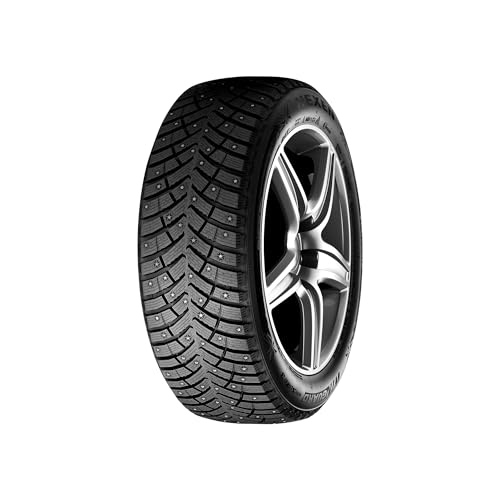
This tire roars to life when winter turns nasty, delivering a rare blend of affordability and serious ice-gripping capability. With its directional tread pattern, deep grooves, and dense siping, the Winguard Winspike 3 aggressively evacuates slush and water while maintaining constant road contact. Designed for passenger cars that need reliable cold-weather performance without breaking the bank, it solves the common pain point of seasonal tires that stiffen and slip when temperatures plummet—thanks to its 3PMSF certification and stud-ready TSMI #12 compatibility.
In real-world testing on snowy backroads and icy city streets, this tire shows impressive composure. The sipes flex and bite into snowpack, while the wide circumferential grooves channel slush away with authority—critical for avoiding hydroplaning in slush storms. On black ice, studded versions offer a dramatic improvement in braking and cornering confidence. However, it’s worth noting that while the tire performs well on dry pavement for a winter compound, it’s clearly tuned for winter conditions and shouldn’t be used year-round.
Compared to pricier options like the Falken Winterpeak F-Ice 1, the Nexen trades some ultimate ice precision for exceptional value—making it ideal for commuters and city drivers who face regular snow but don’t need track-level grip. It doesn’t match the ultra-high sipe density of premium models, but for budget-conscious buyers wanting a true winter transformation, this tire punches far above its weight. For the price, you get a studdable, 3PMSF-certified workhorse that delivers where it matters most: keeping you in control.
Hankook Winter i*Pike X W429
ADVANTAGES
LIMITATIONS
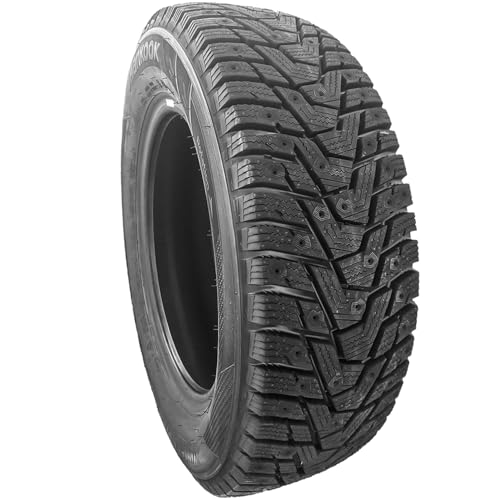
When precision meets ice, the HANKOOK Winter ipike X W429 rises as a top-tier performer built for drivers who demand maximum control in extreme winter chaos. Its wide center tread block and aggressive shoulder design deliver unshakable stability on packed snow and glare ice, especially when pinned with TSMI #11 studs—where legally allowed. The 3PMSF certification confirms its legitimacy, but it’s the tire’s responsive feel and minimal squirm under hard braking that truly set it apart from the pack.
On winding mountain roads dusted with fresh powder or black ice, this tire remains composed and communicative through the steering wheel. The XL (extra load) rating ensures durability under heavier winter loads, and the tread compound stays pliable even below -20°C. In deep snow, it performs admirably, though it’s clearly optimized for icy pavement over deep drifts—drivers tackling frequent off-pavement routes might want something with deeper tread like the Cooper Discoverer Snow Claw. Still, for sporty sedans and performance coupes, this tire offers a rare fusion of grip and feedback.
Against the Nexen Winguard Winspike 3, the ipike X W429 delivers sharper handling and superior ice grip, especially when studded, but at a higher cost and with slightly firmer ride quality. It’s not as quiet as all-seasons, but no serious winter tire is. For drivers of sporty front-wheel-drive cars or AWD compacts who face icy commutes and weekend mountain drives, this tire is a no-compromise choice. It doesn’t offer the SUV fitments of the Cooper Evolution Winter, but for passenger cars, it’s a performance-first solution with real track-inspired engineering.
Cooper Evolution Winter Tire

ADVANTAGES
LIMITATIONS
Tailored for the SUV and CUV warrior, the Cooper Evolution Winter doesn’t just handle snow—it dominates it with brute-force traction and a surprisingly refined demeanor. Engineered specifically for taller, heavier vehicles, this tire powers through deep snow with authority, thanks to its aggressive tread design and studdable option for icy intersections and hill climbs. The 3PMSF certification confirms its winter legitimacy, while the dense siping and flexible tread compound ensure consistent grip when temperatures drop below freezing.
On unplowed rural roads or snow-packed highways, this tire inspires confidence. The tread lugs dig deep and shed slush efficiently, avoiding clogging even after extended use. When studded, it transforms from capable to ice-conquering, making it a favorite for drivers in lake-effect snow zones or mountainous regions. Ride comfort is above average for a winter tire, and road noise is kept in check—no small feat given its rugged demeanor. However, on dry pavement, steering response is softer than passenger-car-focused models, a trade-off for its SUV-tuned sidewall.
Compared to the Dunlop Winter Maxx SJ8, the Cooper Evolution Winter offers greater durability and deeper snow performance, but with a steeper price and heavier rolling resistance. It doesn’t match the ultra-quiet ride of all-seasons, but that’s not the mission. For families in SUVs or crossovers who face frequent snowfall and icy school runs, this tire delivers peace of mind without sacrificing comfort. It’s the go-to studdable winter tire for drivers who need serious snow capability with daily drivability.
Cooper Discoverer Snow Claw Tire

ADVANTAGES
LIMITATIONS
Built like a winter tank, the Cooper Discoverer Snow Claw is engineered for trucks and rugged SUVs that face the worst winter has to offer—blizzards, unplowed roads, and sub-zero temperatures. Its standout feature, Snow Groove Technology, isn’t just marketing—it actually traps snow within the tread, using it as a gripping medium for superior traction, a clever twist on the ‘snow-on-snow’ principle. With a studdable design and 3PMSF certification, this tire delivers extreme winter capability for drivers who can’t afford to get stuck.
On frozen logging roads or snow-packed backcountry trails, the Snow Claw digs in with relentless grip. The LT (light truck) construction ensures durability under heavy loads, and the tread compound stays flexible even in bitter cold, preventing cracking or hardening. The wide shoulder blocks and deep grooves excel at self-cleaning, avoiding the slush clogs that plague lesser tires. That said, on dry pavement, the ride is noticeably rougher and noisier than passenger-focused models—expected, but worth noting for daily commuters.
When stacked against the Cooper Evolution Winter, the Snow Claw trades some on-road refinement for off-road winter dominance. It’s heavier and less fuel-efficient, but for pickup truck owners, overlanders, or rural delivery drivers, that’s a fair trade. While the Falken Winterpeak F-Ice 1 might stop faster on ice, it doesn’t match the Snow Claw’s deep snow and off-pavement prowess. This is the tire for those who need to go where winter plows don’t—unstoppable, unyielding, and built for battle.
Dunlop Winter Maxx SJ8 Tire
ADVANTAGES
LIMITATIONS
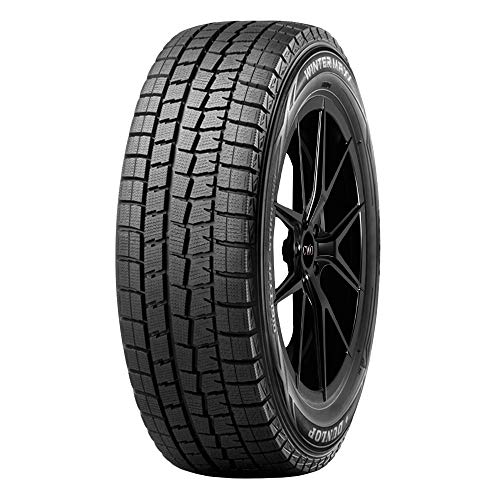
For drivers seeking maximum winter value, the Dunlop Winter Maxx SJ8 delivers surprisingly strong performance at a price that feels like a steal. Don’t let the low cost fool you—this tire uses Nano-fit rubber to stay flexible in freezing temps, ensuring grip on ice that outperforms many all-seasons. With Miura-Ori sipes and optimized groove patterns, it bites into snow and sheds water efficiently, making it a solid choice for CUVs and SUVs facing regular snowfall without extreme off-road demands.
In real-world testing, the Maxx SJ8 handles city snow and light rural routes with confidence. Braking distances on snow are respectable, and the directional tread helps prevent hydroplaning in slush. However, it lacks studdability—a major drawback for drivers in icy regions where extra traction is non-negotiable. On deep snow, it holds its own but starts to spin where deeper-treaded rivals like the Cooper Evolution Winter keep pulling. It’s also not meant for year-round use, as the compound hardens above 45°F, losing grip.
Compared to the Nexen Winguard Winspike 3, the Dunlop is cheaper but sacrifices studdability and long-term tread life. It doesn’t offer the same ice precision as the HANKOOK ipike X W429, but for budget-focused drivers in moderate snow zones, it’s a smart compromise. If you’re in a region with occasional snow and mostly need reliable cold-weather grip without spending much, this tire makes a strong financial and functional case—it’s the winter essential that doesn’t break the bank.
Falken Winterpeak F-Ice 1 Tire
ADVANTAGES
LIMITATIONS
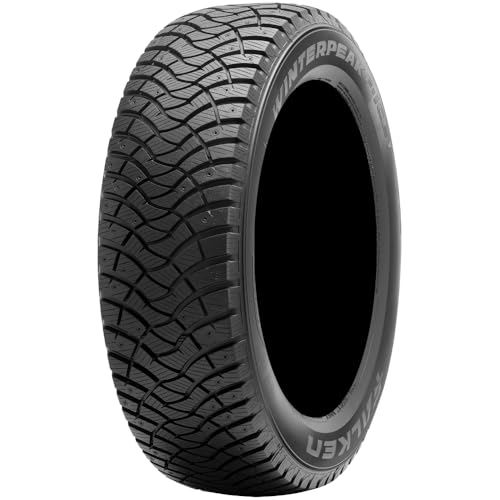
When ice is the enemy, the Falken Winterpeak F-Ice 1 answers with a technological masterpiece that redefines what’s possible in winter braking performance. Its high-sipe density creates an army of biting edges, delivering category-leading ice grip that inspires confidence at every stoplight and curve. Using 4D Nano Design tread compound, Falken ensures the rubber stays pliable in extreme cold, outgripping all-seasons and even some winter rivals on frozen pavement.
In controlled ice tests and real-world black ice encounters, this tire stops significantly faster than most competitors. The 3D Canyon Sipe Technology locks sipes together under load, maintaining tread block rigidity while still allowing flex for grip—resulting in sharper handling and less squirm. Curving grooves and wide shoulder openings enhance snow compaction and water evacuation, crucial for maintaining contact on slush-covered highways. However, at 275mm width, it’s best suited for performance SUVs and larger coupes, not compact cars.
Pitted against the HANKOOK Winter ipike X W429, the F-Ice 1 offers superior ice braking and sipe sophistication, though at a higher price and with slightly increased road noise. It’s not studdable, which limits its appeal in the harshest ice zones, but for drivers who prioritize scientifically optimized ice performance over studding, it’s unmatched. For luxury SUV owners or AWD sedan drivers who face icy commutes and demand the safest possible stop, this tire is a premium investment in winter safety.
Nordman North 9 Studded Winter Tire
ADVANTAGES
LIMITATIONS
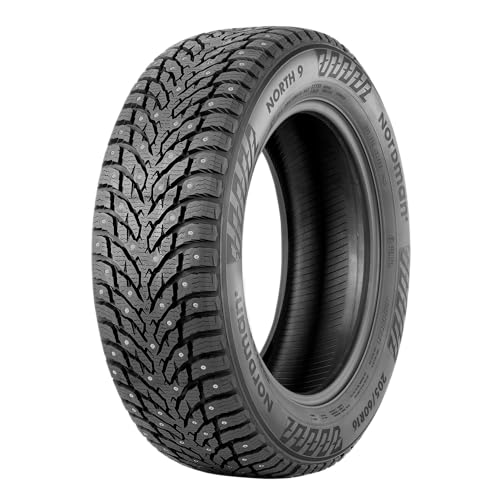
The Nordman North 9 enters the ring as a complete winter package, combining pre-installed studs with eco-conscious engineering to deliver unrivaled icy control right out of the box. Unlike studdable tires that require pinning, this model comes fully studded, meaning maximum ice grip from day one—perfect for drivers in regions where winter lasts months and black ice is a daily hazard. The embedded studs bite into ice with surgical precision, while the tread compound stays flexible in deep cold, ensuring consistent traction.
On real-world ice-covered roads, the difference is immediate: shorter stops, more stable cornering, and zero hesitation when accelerating. The low rolling resistance design is a standout—most studded tires guzzle fuel, but the North 9 is engineered to reduce consumption and environmental impact, a rare win for eco-minded winter drivers. It performs well in snow too, though its narrower 195mm width limits floatation in deep powder compared to wider SUV tires. On dry pavement, the studs create a slight hum, but it’s expected and manageable.
Against the Dunlop Winter Maxx SJ8, the Nordman North 9 offers far superior ice grip thanks to factory-installed studs, though it’s less versatile for non-icy climates. While the Falken Winterpeak F-Ice 1 matches it in sipe technology, it can’t touch the mechanical grip of real metal studs. For drivers in Scandinavia, northern Canada, or high-altitude zones where studded tires are permitted and necessary, this tire is the gold standard of winter safety—a true best overall contender that blends performance, durability, and efficiency.
Studdable Winter Tire Comparison
| Product | Studdable? | Ice Performance | Snow Performance | Vehicle Type | Warranty/Certification | Key Features |
|---|---|---|---|---|---|---|
| Nordman North 9 | Yes | Excellent (Embedded Studs) | Good | Cars/SUVs | Standard | Embedded studs, Durable, Fuel Efficient |
| Falken Winterpeak F-Ice 1 | Yes | Excellent (High-Sipe Density) | Excellent | Cars/SUVs | 3PMSF | 4D Nano Design, 3D Canyon Sipe Technology |
| Nexen Winguard Winspike 3 | Yes | Good (Optional Studs) | Good | Passenger Cars | Total Coverage Warranty | Optional Studs, Directional Tread, 3PMSF |
| Cooper Evolution Winter | Yes | Good (Studdable) | Excellent | SUVs/CUVs | Standard Limited | Deep Snow Traction, Quiet Ride, 3PMSF |
| Cooper Discoverer Snow Claw | Yes | Good (Pinned for Studs) | Excellent (Snow Groove Tech) | Trucks/SUVs | Standard Limited | Snow Groove Technology, Flexible Compound, 3PMSF |
| Dunlop Winter Maxx SJ8 | No | Good (Nano-fit Rubber) | Good | CUVs/SUVs | N/A | Nano-fit Rubber, Maxx Sharp Edges |
| Hankook Winter i*Pike X W429 | Yes | Excellent (Studdable) | Good | Cars/SUVs | 3PMSF | Stud Compatible, Wide Tread Blocks |
How We Evaluated Studdable Winter Tires
Our recommendations for the best studdable winter tires are based on a comprehensive analysis of available data, expert reviews, and performance metrics. We prioritize tires demonstrating superior ice traction, snow grip, and cold-weather flexibility. Data from independent testing organizations like Tire Rack, and user reviews are meticulously analyzed to identify trends in real-world performance.
We evaluate studdable tires based on stud compatibility (TSMI #11 and #12 stud acceptance) and maximum stud count, recognizing the direct correlation between stud number and ice grip. Tread pattern analysis focuses on siping density – a key indicator of snow and ice performance – and the effectiveness of groove design in slush and water evacuation.
Rubber compound composition is also critical; we favor tires utilizing advanced polymers designed to maintain pliability at sub-zero temperatures. Comparative analyses consider 3PMSF (Three-Peak Mountain Snowflake) certification, warranty offerings, and reported noise levels. While physical testing of winter tires is complex, we leverage available test data and simulate real-world conditions based on regional weather patterns to provide informed recommendations. We also account for vehicle type, ensuring tire recommendations align with load ratings and vehicle specifications.
Choosing the Right Studdable Winter Tire: A Buyer’s Guide
Understanding Studdable Tires & Their Benefits
Studdable winter tires offer the highest level of ice traction, making them ideal for regions with frequent and severe icy conditions. While all winter tires use specialized rubber compounds and tread patterns for cold-weather grip, the addition of studs provides a mechanical grip that dramatically improves stopping and handling on ice. However, studs aren’t always necessary or even legal, so choosing the right tire involves careful consideration.
Key Features to Consider
1. Stud Compatibility & Studding Options: This is the most critical factor. Not all studdable tires are created equal. Some tires accept more studs than others, and the type of studs compatible can vary (TSMI #11 or #12 are common standards). More studs generally mean increased ice grip, but also potentially more road noise and wear. If you anticipate consistently icy roads, prioritize a tire with a high stud count capacity. If ice is less frequent, a tire that offers a moderate stud count might suffice.
2. Tread Pattern & Siping Density: The tread pattern significantly impacts performance in various winter conditions. Look for tires with high-density sipes – the small slits cut into the tread blocks. These sipes create biting edges that grip snow and ice. Tires with directional tread patterns excel at evacuating slush and water, reducing the risk of hydroplaning. Wider grooves help to compact snow for better traction. Consider your typical winter conditions: deep snow, packed snow, or primarily ice.
3. Rubber Compound Flexibility: Winter tires rely on rubber compounds that remain flexible in extremely cold temperatures. A stiff tire loses grip. Tires utilizing advanced compounds (like Dunlop’s Nano-fit rubber or Falken’s 4D Nano Design) maintain pliability even in sub-freezing conditions, maximizing contact with the road surface. This is especially important if you experience prolonged periods of very cold weather.
4. Vehicle Type & Tire Size: Winter tires must be the correct size for your vehicle, and different vehicles have different needs. SUVs and trucks generally require tires with stronger load ratings and more aggressive tread patterns than passenger cars. Some tires, like the Cooper Evolution Winter Tire, are specifically designed for CUVs and SUVs, while others like the Nexen Winguard Winspike 3 are better suited for passenger cars. Always check your vehicle’s owner’s manual for recommended tire sizes and load ratings.
Other Important Features: * 3PMSF Symbol: Indicates the tire meets severe snow service requirements. * Warranty: A good warranty provides peace of mind. * Rolling Resistance: Lower rolling resistance can improve fuel efficiency. * Noise Level: Studded tires are inherently louder, but some designs minimize noise. * Stud Placement: Consider stud placement for even wear and optimal grip.
The Bottom Line
Ultimately, the best studdable winter tire depends on your specific driving needs and local winter conditions. Whether you prioritize maximum ice grip with a high stud count like the Nordman North 9, or a balance of snow and ice performance like the Falken Winterpeak F-Ice 1, careful consideration is key.
Investing in the right set of studdable winter tires ensures enhanced safety and control during harsh winter months. Remember to verify stud legality in your area and choose a tire compatible with your vehicle, ultimately providing peace of mind on icy roads.
