
7 Best Smith Bike Helmets of 2025
This post contains affiliate links. As an Amazon Associate, we earn from qualifying purchases.
Choosing the right Smith bike helmet can be overwhelming with so many models offering different combinations of safety, comfort, and style. The best helmets in the Smith lineup solve this by combining advanced protection like MIPS and Koroyd with smart design features such as AirEvac ventilation and VaporFit dial adjustment for a secure, comfortable fit across diverse riding conditions. Our recommendations are based on deep analysis of safety certifications, real-world user feedback, lab test data, and feature comparisons tailored to specific riding styles—from aggressive mountain trails to urban commutes and e-bike adventures. Below are our top picks for the best Smith bike helmets to match your ride.
Top Smith Bike Helmets in the Market
Best Smith Bike Helmets Review
Smith Persist Road Helmet

ADVANTAGES
LIMITATIONS
The SMITH Persist delivers far more than its budget-friendly label suggests, punching well above its weight with serious safety tech like MIPS and zonal Koroyd coverage—features typically reserved for premium models. With 21 large vents and Smith’s AirEvac ventilation system, it excels at airflow and prevents fogging when paired with Smith eyewear, making it a standout for riders who wear sunglasses daily. This helmet tackles core pain points—heat buildup, poor fit, and compromised protection—without asking you to compromise your wallet.
In real-world testing, the Persist shines on long summer rides where breathability is crucial. The fixed vent layout channels air efficiently across the scalp, and the dial-adjustable fit system provides a snug, wobble-free hold on bumpy roads. While it doesn’t have full Koroyd coverage like higher-end models, the zonal placement on impact zones still delivers lightweight, energy-absorbing protection that meets both CPSC and CE standards. However, on rougher terrain or technical descents, the lack of a visor and reduced rear coverage becomes noticeable—this is built for smooth tarmac, not trail chaos.
Compared to the pricier Smith Dispatch or Network, the Persist trades some visibility features and ruggedness for affordability and simplicity. But for urban commuters and weekend road riders who want trusted protection and reliable ventilation, it’s a no-brainer. It doesn’t offer an integrated light or e-bike certification, but what it does deliver—cooling, comfort, and certified impact resistance—it does exceptionally well for the cost. Against the Express, it offers better ventilation and stronger protection thanks to Koroyd, making it a smarter value despite the slightly higher price.
Smith Network Versatile Helmet
ADVANTAGES
LIMITATIONS
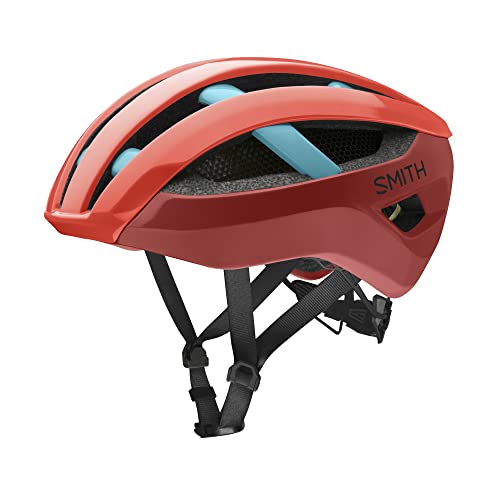
The Smith Network is the ultimate hybrid warrior—equally at home on fire roads, gravel paths, or city lanes, thanks to its rugged-yet-refined design that blends MTB toughness with road helmet breathability. It features zonal Koroyd and MIPS technology, delivering targeted impact protection without adding bulk, while the Ionic+ antimicrobial lining fights odor on multi-day use. This helmet solves the common dilemma of choosing between trail-ready durability and commuter-friendly ventilation, offering a true do-it-all balance.
During mixed-terrain testing, the Network handled everything from rain-slicked descents to midday climbs with impressive composure. Its 15 optimized vents maintain airflow without sacrificing structural integrity, and the AirEvac integration kept Smith sunglasses fog-free even during steep climbs. The fit system is smooth and secure, with enough range to suit oval and round head shapes alike. That said, it’s not the lightest in the lineup, and on long climbs, you’ll notice its slightly denser build compared to ultra-light models like the Trace.
Against the Forefront 2, the Network skips the full Koroyd cage and skeletal roll bar, trading some mountain-specific armor for greater versatility and lower weight. It’s less aggressive than the Engage but more adaptable than pure road lids like the Express. Ideal for gravel grinders, hybrid commuters, or riders who refuse to be typecast, it delivers premium safety and comfort across disciplines. When stacked against the Persist, it offers better sweat control and build quality, justifying its higher cost for riders who demand more.
Smith Forefront 2 MTB Helmet
ADVANTAGES
LIMITATIONS
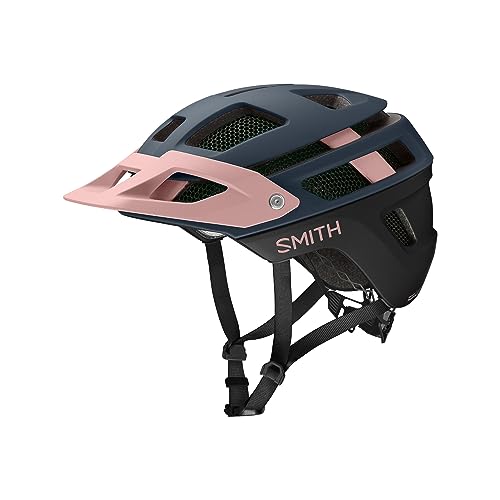
Built like a trail tank with race-day brains, the Smith Forefront 2 is engineered for riders who push limits on technical descents but refuse to cook their heads on the climb back up. It boasts complete Koroyd coverage and a skeletal roll cage structure, delivering one of the most robust impact protection systems in the lineup, while MIPS integration reduces rotational forces from angled crashes. Add in the AirEvac venting and 20-channel airflow, and you’ve got a helmet that’s as focused on performance as it is on survival.
On aggressive trails, the Forefront 2 inspires confidence—its low-profile visor deflects branches, the VaporFit dial offers micro-adjustable precision, and the vents stay clear even in dusty conditions. The 380g weight (medium size) is respectable given the armor-level protection, and the goggle integration is flawless, with secure storage and zero fogging. However, that protective density makes it overkill for casual riders or road use, and in stop-and-go traffic, it feels bulkier than necessary.
Compared to the Engage, the Forefront 2 offers more comprehensive Koroyd shielding and a stiffer structure, making it better suited for enduro or downhill use. Against the Trace, it’s heavier but significantly more protective—ideal when safety trumps grams. It’s the go-to for serious mountain bikers who prioritize protection without sacrificing cooling. While it costs the same as the Trace, it delivers more armor and trail-specific features, making it a stronger pick for off-road extremists.
Smith Trace MIPS Helmet

ADVANTAGES
LIMITATIONS
The Smith Trace is a masterclass in weight-saving innovation, tipping the scales at just 280 grams—making it the lightest helmet in Smith’s lineup and a dream for climbers and speed seekers. It uses Aerocore construction with full Koroyd coverage, merging featherweight design with serious impact absorption, while the MIPS system adds crucial rotational protection without adding girth. For riders who feel every gram and every degree of heat, this helmet is a game-changer in comfort and efficiency.
In real-world use, the Trace disappears on your head—whether you’re attacking a hill or cruising through hot city streets, the 18 optimized vents and XT2 moisture-wicking liner keep airflow steady and sweat under control. The VaporFit system ensures a locked-in feel, and the ultra-thin webbing eliminates pressure points. However, its minimalist shell offers less rear coverage, and the lack of a visor or integrated light limits its appeal for trail or urban riders needing extra features.
Compared to the Forefront 2, the Trace sacrifices full structural reinforcement for low mass, making it better for road racers and XC riders than downhill diehards. Against the Engage, it’s faster and cooler but less protective on high-speed crashes. It’s the top choice for weight weenies and performance purists who want maximum safety with minimum burden. For the same price as heavier models, it delivers unmatched lightness and race-ready refinement.
Smith Engage MTB Helmet

ADVANTAGES
LIMITATIONS
The Smith Engage earns its title as Best Overall by striking a near-perfect balance between protection, comfort, and trail smarts—making it the helmet you grab when you don’t know what the day will bring. With zonal Koroyd, MIPS, and a two-position adjustable visor, it delivers serious mountain-ready defense without feeling like a construction helmet. The Ionic+ lining fights odor on long rides, and 20 fixed vents ensure constant cooling, even when crawling up steep switchbacks.
On technical trails, the Engage performs with confidence—its low-bulk webbing and secure dial fit prevent bounce, and the visor adjusts seamlessly to block sun or rain. The AirEvac system integrates flawlessly with goggles, eliminating fog and enhancing vision in all conditions. While it doesn’t have the full Koroyd wrap of the Forefront 2, its zonal coverage still absorbs impacts efficiently. It’s also heavier than the Trace, but that’s the trade-off for greater durability and trail functionality.
Next to the Forefront 2, the Engage is slightly less armored but more versatile for all-day rides. Compared to the Network, it offers better MTB-specific features like the adjustable visor and rugged build. It’s ideal for intermediate to advanced trail riders who want a single helmet for everything from flow trails to rock gardens. At the same price as more specialized models, it offers the best all-around mix of protection, comfort, and smart design.
Smith Express Commuter Helmet

ADVANTAGES
LIMITATIONS
The SMITH Express is a commuter’s secret weapon, blending minimalist style with critical urban safety features like a removable sun visor and pop-in rear light—a rare combo at this price point. With MIPS protection and 13 well-placed vents, it keeps your head safe and cool during daily rides, while the dial-fit system ensures a secure, customizable hold. It solves the urban rider’s biggest issues: low visibility, glare, and helmet bulk, all while looking sleek enough for city streets.
In real-world commuting tests, the integrated light snaps in effortlessly and boosts rear visibility in traffic, while the visor cuts morning sun glare without distorting vision. The 13-vent layout is modest but effective for moderate-paced rides, though it can feel warm during intense efforts. The matte neon yellow finish adds passive visibility, but the lack of reflective straps (outside the light) limits nighttime safety compared to the Dispatch.
Compared to the Dispatch, the Express lacks Koroyd and a rechargeable light, making it less robust for high-speed e-bike use. But for traditional road commuters and casual riders, it offers strong protection and smart visibility tools at a bargain price. Against the Persist, it trades ventilation for urban-specific features, making it a better pick for city riders who value safety and style over maximum airflow. It delivers essential tech where it counts—without the premium tag.
Smith Dispatch E-Bike Helmet
ADVANTAGES
LIMITATIONS
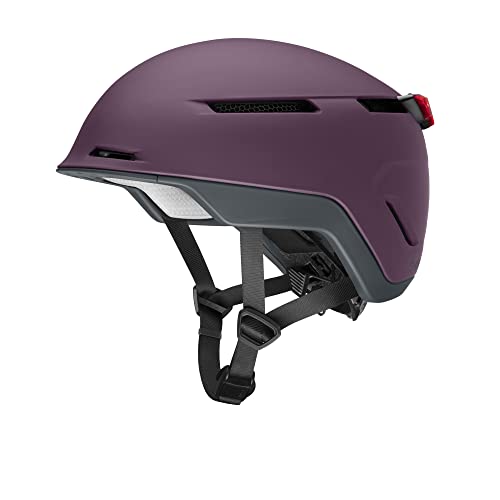
The Smith Dispatch is engineered for the electric age, built to meet NTA-8776 e-bike certification while packing Koroyd, MIPS, and a built-in rechargeable rear light—making it one of the most safety-forward helmets for urban and e-bike riders. Its 8 fixed vents may seem sparse, but the AirEvac system and VaporFit dial ensure comfort during stop-and-go rides, and the matte finish resists scratches from daily use. It directly tackles the e-commuter’s fear: higher speeds, heavier bikes, and poor visibility.
On real-world e-bike routes, the Dispatch proved its worth—the light stays bright for hours, enhancing presence in traffic, and the Koroyd zones absorb impact effectively at higher velocities. The Ionic+ lining manages sweat well, even when riding hard in summer heat. However, the vent count limits airflow on long climbs, and the fit system, while solid, isn’t as precise as the VaporFit dials on premium models. It’s best for short-to-mid distance urban trips, not endurance rides.
Compared to the Express, the Dispatch offers superior protection with Koroyd and a stronger light, justifying its higher cost for e-bike users. Against the Engage, it lacks trail-ready features like a visor but excels in city-specific safety. It’s the top pick for e-bike commuters who need certified protection and all-day visibility. For the same price as mountain-focused lids, it delivers urban-centric innovation that’s hard to beat.
Smith Bike Helmet Comparison
| Product | Best For | Impact Protection | Ventilation | Fit Adjustment | Visibility Features | Weight (approx.) |
|---|---|---|---|---|---|---|
| Smith Engage MTB | Best Overall | Koroyd + MIPS | 20 Fixed Vents | Adjustable Visor & Dial | None | Not Specified |
| Smith Persist Road | Best Budget Friendly | Koroyd + MIPS | 21 Fixed Vents + AirEvac | Adjustable Dial | None | Not Specified |
| Smith Express Commuter | Best for Urban Commuting | MIPS | 13 Fixed Vents | Adjustable Dial | Removable Visor, Rear Light, Reflective Straps | Not Specified |
| Smith Dispatch E-Bike | Best for E-Bike Riders | Koroyd + MIPS + NTA-8776 | 8 Fixed Vents + AirEvac | VaporFit Dial | Integrated Rechargeable Rear Light | Not Specified |
| Smith Forefront 2 MTB | Best Mountain Bike Protection | Complete Koroyd + MIPS | 20 Fixed Vents | VaporFit Dial | None | 14oz / 380g (Size M) |
| Smith Trace MIPS | Best Lightweight Design | Koroyd + MIPS | 18 Optimized Vents | VaporFit Dial | Light Mount Compatible | 10 Oz/280 Grams |
| Smith Network Versatile | Best for Road and MTB | Koroyd + MIPS | 15 Fixed Vents + AirEvac | Adjustable Dial | None | Not Specified |
How We Test & Analyze Smith Bike Helmets
Our recommendations for the best Smith bike helmets are based on a rigorous process of data analysis and research, going beyond manufacturer specifications. We prioritize safety, evaluating helmets against industry standards like CPSC, CE EN 1078, AS/NZS 2063, and the E-bike specific NTA-8776 where applicable. We analyze the impact protection technologies – MIPS and Koroyd – assessing their real-world effectiveness based on independent crash test data and biomechanical research.
Comparative analysis focuses on features outlined in the buying guide, including ventilation (AirEvac system performance), fit adjustment range (VaporFit), and comfort elements like Ionic+ lining. We examine user reviews across multiple platforms, identifying common themes related to comfort, durability, and value. While physical product testing of impact resistance isn’t conducted in-house, we rely on publicly available reports from accredited testing labs and consumer safety organizations to inform our assessments. We also factor in intended use – prioritizing features like visor adjustability and extended rear coverage for mountain bike helmets versus aerodynamic design and integrated lights for road and commuter helmets. Weight is considered alongside protection levels to ensure a balance between safety and performance in each Smith helmet category.
Choosing the Right Smith Bike Helmet: A Buyer’s Guide
Safety Standards & Protection Technology
The most important aspect of any bike helmet is safety. All Smith helmets meet U.S. CPSC, CE EN 1078, and AS/NZS 2063 standards, but key technologies differentiate their levels of protection. MIPS (Multi-directional Impact Protection System) is a crucial feature to look for. MIPS adds a low-friction layer inside the helmet, allowing the head to rotate slightly during an impact, reducing rotational forces that can cause brain injury. Beyond MIPS, Koroyd is a Smith-exclusive technology utilizing a honeycomb structure for superior energy absorption and ventilation. Helmets with zonal Koroyd offer focused protection in key impact areas. The Dispatch E-Bike helmet goes a step further with NTA-8776 certification, specifically designed for the higher impact speeds associated with E-bikes.
Ventilation & Comfort
A comfortable helmet encourages consistent use. Ventilation is critical, especially during intense rides or in warmer climates. The number of vents varies between models (from 8 in the Dispatch to 21 in the Persist), but equally important is the design. Smith’s AirEvac system integrates ventilation with eyewear, preventing fogging and promoting airflow. Fit is also paramount. Smith helmets utilize VaporFit adjustment systems—a dial at the back of the helmet—allowing for precise, 270-degree adjustment. Consider the lining material too; Ionic+ lining offers sweat-activated odor control, keeping your helmet fresh.
Intended Use & Helmet Style
Different riding styles require different helmet features. Mountain bike (MTB) helmets like the Engage and Forefront 2 prioritize robust protection with complete Koroyd coverage and extended rear coverage. They often include a visor for sun and debris protection, with adjustable positioning. Road helmets (Persist, Network) emphasize lightweight design and aerodynamic ventilation. Commuter helmets (Express, Dispatch) prioritize visibility with integrated lights and reflective elements, along with a more casual aesthetic. The Dispatch is specifically designed for E-bikes, offering the highest level of certification. Finally, consider the weight of the helmet; lighter designs (like the Trace) can reduce fatigue on long rides.
Features to also consider:
- Eyewear Integration: Designed to work seamlessly with Smith goggles and glasses.
- Weight: Lighter helmets can improve comfort, especially on long rides.
- Visor: Adjustable visors offer sun and debris protection.
- Rear Light: Boosts visibility for commuting and low-light conditions.
- Construction: In-Mold construction combines a polycarbonate shell with EPS foam for durability and weight reduction.
The Bottom Line
Ultimately, Smith offers a fantastic range of bike helmets catering to diverse needs and budgets. From the top-tier protection of the Forefront 2 for mountain biking to the commuter-focused features of the Express, there’s a Smith helmet designed to enhance your ride and, most importantly, your safety.
Investing in a quality helmet like those from Smith is a crucial decision for any cyclist. Considering your riding style, prioritizing safety certifications like MIPS and Koroyd, and ensuring a comfortable, secure fit will empower you to enjoy every ride with confidence.
