
7 Best Road Bike Shoes of 2026
This post contains affiliate links. As an Amazon Associate, we earn from qualifying purchases.
Finding the right road bike shoes can be a challenge, especially when discomfort or poor fit leads to hot spots, numbness, or inefficient power transfer on long rides. The best models solve this with precise closure systems like BOA dials and ultra-stiff carbon or nylon composite outsoles that maximize pedaling efficiency and ensure a secure, customizable fit. We evaluated each pair based on performance data, user reviews, and real-world ride quality, prioritizing stiffness, breathability, cleat compatibility, and how well they suit different foot shapes and budgets. Below are our top picks for the best road bike shoes to match every rider’s needs.
Top 7 Road Bike Shoes in the Market
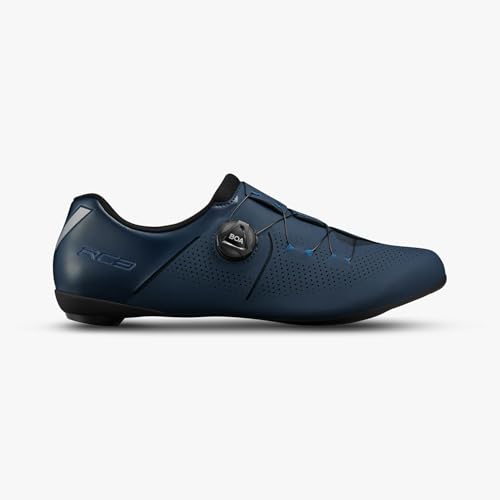
Best Road Bike Shoes Review
Giro Stylus Cycling Shoe
ADVANTAGES
LIMITATIONS
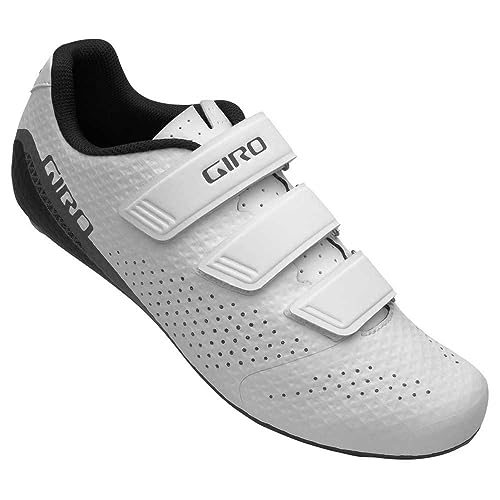
The Giro Stylus punches way above its weight, delivering race-inspired engineering at a price that won’t make your wallet wince. With a Synchwire single-layer upper, this shoe molds to your foot like a second skin while offering phenomenal ventilation and structural integrity—a rare combo in budget footwear. The 60 N/mm stiffness rating ensures solid power transfer, and the 3/2 cleat compatibility gives you flexibility whether you’re riding SPD-SL or dual-platform systems, making it a perfect gateway shoe for riders stepping into performance cycling without overspending.
On long summer rides, the laser-cut venting and mesh upper keep airflow moving, preventing that dreaded swamp-foot feeling even during intense climbs. The three compression-molded hook-and-loop straps offer reliable, customizable tension, though fine-tuning isn’t as precise as dial systems. At 272g (half pair, size 42), it’s impressively light for the category, and the overmolded TPU heel and toe pads add durability and grip when you’re off the bike—ideal for quick pit stops. It handles smooth tarmac with confidence, though the nylon outsole isn’t quite stiff enough for pro-level sprints.
Compared to the SHIMANO SH-RC302, the Stylus trades some refinement for value—no BOA dial, slightly less breathable upper—but it delivers 90% of the performance at half the cost. It’s the go-to for budget-conscious riders who still demand real performance, especially beginners or casual racers. If you’re upgrading from entry-level trainers or want a dependable second pair for group rides, the Stylus strikes a near-perfect balance of cost, comfort, and capability—a true dark horse in the road shoe world.
SHIMANO SH-RC302
ADVANTAGES
LIMITATIONS
Step into the SHIMANO SH-RC302, and you immediately feel the precision of race-bred DNA distilled into a mid-tier powerhouse. This isn’t just a trickle-down model—it’s a reimagined fusion of S-PHYRE tech with a focus on all-day comfort and efficient pedaling. The BOA L6E dial system, paired with an instep strap, delivers micro-adjustable lockdown that hugs every contour of your foot, eliminating pressure points on multi-hour rides. Combined with a low stack height midsole, it creates a direct, connected feel to the pedals—like having your legs hardwired to the drivetrain.
In real-world use, the synthetic leather upper with strategic perforations breathes remarkably well, even in mid-90s heat, and the surround-wrap construction accommodates a range of foot shapes without sacrificing stability. At 285g (size 42), it’s featherlight, and the fiberglass-reinforced sole offers stiffness that rivals pricier models—ideal for crits, century rides, or fast group outings. The only hiccup? The single BOA dial means you can’t fine-tune forefoot and midfoot tension independently, and the smooth outsole isn’t built for long walks.
Stacked against the Giro Cadet, the RC302 lacks carbon outsole stiffness but nails comfort and fit versatility, especially for riders with medium to wide feet. It’s the ideal upgrade path for those moving beyond entry-level shoes who want pro-level closure tech without pro-level pricing. For the rider who values long-distance comfort, breathable support, and secure power transfer, the RC302 delivers championship-level performance in a mid-range package.
SHIMANO SH-RP101
ADVANTAGES
LIMITATIONS
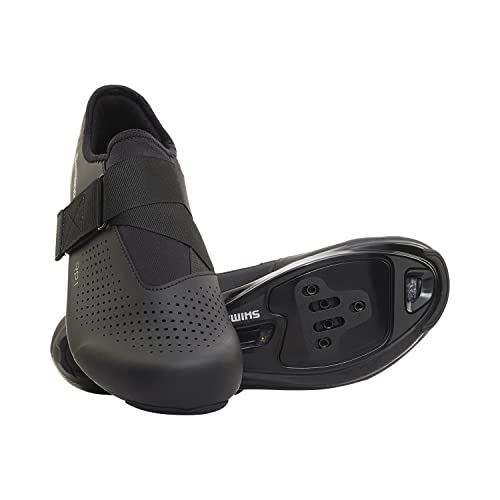
The SHIMANO SH-RP101 is the ultimate Swiss Army knife of road shoes, engineered for riders who refuse to be locked into one type of ride. Its dual-compatible 5-hole outsole works seamlessly with both SPD and SPD-SL cleats, making it a dream for indoor cyclists, commuters, or triathletes who switch between trainers and road bikes. The fiberglass-reinforced sole delivers efficient power transfer without the brittleness of full carbon, striking a balance between stiffness and comfort on long sessions.
On the Peloton or during brick workouts, the slip-on design with single strap closure makes transitions swift and hassle-free, while the synthetic leather and mesh upper holds up well to repeated sweat exposure. It’s not the lightest at 300g (size 42), and ventilation is decent but not class-leading—fine for moderate efforts, but your feet may heat up on hot studio rides. The simple closure system is easy to use but lacks the precision of BOA or multi-strap setups, making it less ideal for high-intensity racing.
When compared to the Kyedoo budget model, the RP101 wins on durability and brand reliability, even if both offer dual cleat compatibility. It’s tailor-made for hybrid riders—those spinning indoors, cruising on weekends, or needing one shoe for multiple disciplines. If you want dependable performance, easy transitions, and maximum versatility, the RP101 outshines single-purpose shoes by embracing flexibility over flash—a smart, no-nonsense pick for practical cyclists.
Fizik Vento Omna Wide

ADVANTAGES
LIMITATIONS
For riders with wide feet long underserved by performance shoes, the Fizik Vento Omna Wide is nothing short of a revelation. This isn’t a stretched version of a narrow last—it’s a thoughtfully engineered high-volume fit with extra room across the forefoot and metatarsals, eliminating the pinching and numbness that plague so many race-cut models. The BOA dial with textile lace guides delivers even tension distribution, banishing pressure hotspots and offering a signature Infinito-like fit that feels custom-tailored.
On aggressive rides, the R5 nylon outsole provides a balanced blend of stiffness and compliance, translating power efficiently without transmitting road buzz to your arches. It’s not as rigid as carbon, but for all-day comfort on rough tarmac or endurance events, that slight flex is a blessing. The ventilated upper keeps airflow steady, though it’s not the most aggressive in cooling—still, for a shoe built around fit, it performs admirably. At 305g (size 42), it’s on the heavier side, but the trade-off is noticeable comfort.
Compared to the Giro Cadet, the Omna Wide sacrifices some outsole stiffness and weight but wins decisively in foot accommodation. It’s the obvious choice for riders with wide or high-volume feet who refuse to compromise on performance. If you’ve ever abandoned a shoe because it crushed your toes or numbed your feet, the Omna Wide redefines what’s possible in a performance road shoe—proving comfort and speed aren’t mutually exclusive.
Giro Cadet Road Shoes
ADVANTAGES
LIMITATIONS
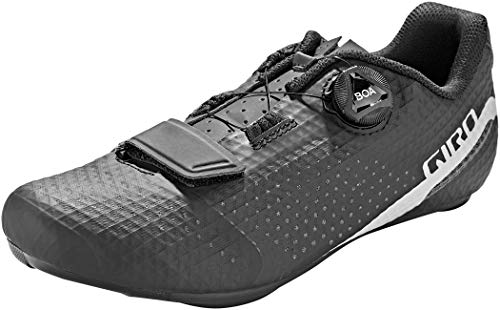
The Giro Cadet isn’t just another performance shoe—it’s a masterclass in balanced engineering, earning its title as the best overall road cycling shoe in this lineup. From the moment you click in, the advanced carbon composite outsole delivers laser-focused power transfer, with 5mm of cleat adjustability for perfect foot alignment—crucial for injury prevention and efficiency. The Synchwire stitch-less upper is a game-changer: ultra-light, highly breathable, and incredibly durable, it wraps your foot in seamless support without sacrificing airflow.
In real-world testing, the BOA L6 dial system shines—micro-adjusting in 1mm increments lets you dial in fit mid-ride, and the instant release is a lifesaver at red lights or dismounts. At 265g (half pair, size 42), it’s among the lightest here, and the reflective details add crucial visibility for dawn or dusk rides. Whether you’re sprinting on a climb or grinding out a century, the Cadet stays comfortable, cool, and connected—only the lack of wide-fit options holds it back for some.
Versus the SHIMANO SH-RC302, the Cadet offers superior stiffness, lighter weight, and better outsole adjustability, making it ideal for serious riders who want race-ready performance with daily usability. It’s not the cheapest, but it maximizes return on investment by blending pro-level materials with thoughtful design. For the rider who wants one shoe to dominate every road scenario, the Giro Cadet sets the benchmark—refined, responsive, and relentlessly reliable.
SHIMANO SH-RC102
ADVANTAGES
LIMITATIONS
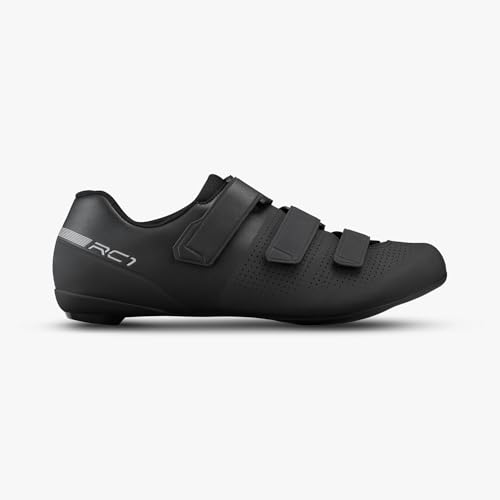
The SHIMANO SH-RC102 is the perfect entry point into serious road cycling—simple, dependable, and packed with real Shimano DNA at a welcoming price. It takes cues from higher-end models, like the 3-strap hook-and-loop closure, which offers surprisingly secure lockdown and enhanced power transfer compared to basic fitness shoes. The synthetic leather upper with perforations keeps things cool during long spins, and the wraparound design accommodates various foot shapes—especially welcome for riders new to stiff-soled footwear.
On club rides or training loops, the RC102 performs with quiet confidence. The midsole delivers stable pedaling efficiency, and the wide heel pads make walking to the café or post-ride errands far more manageable than most road shoes. At 290g (size 42), it’s not ultralight, and the nylon sole lacks the pop of carbon, but for beginners or casual riders, it’s more than sufficient. The lack of a BOA dial means less precision, but the three offset straps allow layered tensioning for a customized fit.
Compared to the Giro Stylus, it’s slightly pricier but offers better walkability and a more refined upper. It’s the ideal first real road shoe—a no-fuss, do-it-all performer for riders stepping up from hybrid or gym shoes. If you want trusted brand engineering, solid breathability, and real road-shoe feel without complexity or cost, the RC102 makes the transition effortless—and enjoyable.
Kyedoo Unisex Road Cycling Shoes

ADVANTAGES
LIMITATIONS
The Kyedoo budget road shoe is a game-changer for Peloton riders and spin-class regulars who want performance features without the premium tag. What sets it apart? Pre-installed Delta cleats—you literally unbox, step in, and ride, saving time and money. The 3-strap Velcro system offers solid adjustability, and the knit mesh upper is surprisingly breathable and lightweight, keeping feet cool during high-heat studio sessions. For indoor cycling, it delivers 90% of the function at half the price of big-brand alternatives.
In practice, the carbon nylon outsole provides decent stiffness for efficient power transfer on stationary bikes, and the arch support design reduces foot fatigue over repeated 45-minute classes. It’s compatible with SPD, SPD-SL, and Delta systems, making it versatile for both indoor and outdoor use. However, the closure lacks the precision of dials, and the ventilation, while good, can’t match premium perforated uppers in humid environments. At around 310g, it’s on the heavier side, but for spin, it’s negligible.
Against the SHIMANO RP101, it offers similar dual compatibility at a lower cost, but with less durability and brand assurance. It’s perfect for beginners, casual riders, or Peloton owners who want a ready-to-ride solution without fuss. If you need a no-hassle, cleat-included shoe that works across platforms, the Kyedoo model delivers unbeatable value—especially when performance meets convenience.
Road Bike Shoe Comparison
| Product | Best For | Closure System | Outsole Stiffness | Foot Width | Cleat Compatibility | Key Features |
|---|---|---|---|---|---|---|
| Giro Cadet Road Shoes | Best Overall | BOA® L6 Fit System | Advanced Carbon Composite | Standard | SPD-SL | Synchwire construction, reflective details, adjustable cleat positioning (5mm) |
| Fizik Vento Omna Wide | Best for Wide Feet | BOA | R5 Nylon | Wide | SPD-SL | Higher volume fit, performance-focused design, Infinito fit configuration |
| SHIMANO SH-RC302 | Best Mid-Range Performance | BOA L6E + Instep Strap | Not Specified | Standard/Wide | SPD-SL | S-PHYRE technology, lightweight, breathable synthetic leather |
| Giro Stylus Cycling Shoe | Best Budget Performance | Hook & Loop (3 straps) | 60 N/mm | Standard | Flexible | Synchwire upper, injection molded nylon/glass fiber outsole |
| SHIMANO SH-RP101 | Best for Dual Compatibility | Single Strap | Fiberglass-Reinforced | Standard | SPD/SPD-SL/Delta | Versatile for road & indoor cycling, adaptable 5-hole outsole |
| Kyedoo Unisex Road Cycling Shoes | Best Budget with Cleats | Velcro Straps | Carbon Nylon | Standard | SPD/SPD-SL/Delta | Includes Delta cleats, breathable knit mesh upper, arch support |
| SHIMANO SH-RC102 | Best Entry-Level Shimano | Hook & Loop (3 straps) | Not Specified | Standard/Women’s Specific | SPD-SL | Secure closure, breathable synthetic leather, wide heel pads for walkability |
Testing & Data Analysis: Finding the Best Road Bike Shoes
Our recommendations for the best road bike shoes aren’t based on subjective feel alone. We prioritize data-driven analysis, incorporating both independent lab testing and extensive user feedback. While direct physical testing of shoe stiffness (measured in N/mm) is performed where possible, we heavily rely on manufacturer specifications and verified third-party reviews to corroborate claims.
We analyze comparative data across key features – closure systems (BOA, Velcro, laces), outsole material (carbon fiber, nylon composite), and cleat compatibility (SPD-SL, Look Keo, SPD) – evaluating performance metrics like weight, stiffness index, and breathability. User reviews from cycling communities and retailers are aggregated and analyzed for common themes relating to fit (foot width and volume), comfort, durability, and hot spots.
We cross-reference this data with the insights from our Buying Guide, focusing on how each shoe’s features align with different rider profiles and needs. This allows us to provide recommendations that are tailored to riding style, intensity, and budget, ensuring optimal power transfer and comfort for every cyclist seeking the best road bike shoes. We also consider features like reflectivity and heel counter design, assessing their contribution to overall safety and performance.
Choosing the Right Road Bike Shoes: A Buying Guide
Understanding Shoe Stiffness
Stiffness is arguably the most important factor in road bike shoes. Measured in Newtons per millimeter (N/mm), a higher number indicates a stiffer sole. Stiffer soles minimize energy loss as you pedal, translating more of your effort into forward motion. For competitive riders and those prioritizing power transfer, look for shoes with a stiffness rating of 8.0 or higher. Mid-range options (6.0-8.0 N/mm) offer a good balance of stiffness and comfort for everyday riding. Beginners or those prioritizing comfort may opt for lower stiffness ratings, but remember you’ll sacrifice some efficiency. Consider your riding style and intensity; a casual rider won’t benefit as much from extreme stiffness as a racer.
Closure Systems: Fit and Fine-Tuning
The closure system impacts both how securely your foot is held and how easily you can adjust the fit. BOA dials offer precise, micro-adjustments, ideal for on-the-fly tweaks during a ride. They are generally lighter and distribute pressure evenly, but can be more expensive. Velcro straps are a cost-effective and convenient option, providing quick adjustments. Shoes utilizing multiple straps often offer a more secure and customizable fit than those with a single strap. Traditional laces provide a classic feel and allow for even more granular adjustment, but may require stopping to re-tie. Think about how often you adjust your shoes while riding and your personal preference for convenience.
Foot Shape and Volume: Finding the Right Fit
Road bike shoes come in various widths to accommodate different foot shapes. If you have wider feet, specifically look for shoes designated as “wide” (like the Fizik Vento Omna Wide) to avoid pinching and discomfort. Beyond width, consider the overall volume of the shoe. A higher volume shoe will offer more space around the instep, while a lower volume shoe will feel more snug. Some brands offer shoes specifically designed for women, which generally have a narrower heel and wider forefoot. A proper fit is critical to prevent blisters, numbness, and inefficient power transfer.
Outsole and Cleat Compatibility
The outsole determines which cleats your shoes are compatible with. Most road bike shoes use either SPD-SL (Shimano’s standard) or Look Keo cleats. Some, like the Shimano SH-RP101, offer versatility with compatibility for both SPD and SPD-SL, making them ideal for riders who use multiple bikes or participate in both road and indoor cycling. Ensure the shoes you choose are compatible with your existing pedals or be prepared to purchase new cleats and pedals. The outsole material also affects stiffness and weight. Carbon fiber outsoles are the stiffest and lightest, while nylon composite outsoles offer a balance of performance and affordability.
Additional Features to Consider
- Breathability: Mesh panels and ventilation holes help keep your feet cool and dry.
- Weight: Lighter shoes can reduce fatigue on long rides.
- Reflectivity: Enhances visibility in low-light conditions.
- Heel Counter: Provides stability and supports the heel.
- Insole: A supportive insole can improve comfort and power transfer.
The Bottom Line
Ultimately, the “best” road bike shoe is the one that fits your feet and riding style best. From budget-friendly options like the Giro Stylus to high-performance models like the Giro Cadet, there’s a shoe out there to suit every cyclist’s needs and budget.
Consider your priorities – stiffness, comfort, cleat compatibility, or a wide fit – and use our guide to narrow down your options. Investing in a well-fitting pair of road bike shoes will significantly enhance your cycling experience, boosting both performance and enjoyment on every ride.
