
7 Best Road Bike Cranks of 2025
This post contains affiliate links. As an Amazon Associate, we earn from qualifying purchases.
Choosing the right road bike cranks can be overwhelming, with compatibility issues and performance trade-offs making it hard to know where to start. The best cranksets, like the lightweight EVOSID Hollow Tech and dependable Shimano Claris FC-R2000, solve this by offering precise shifting, durable aluminum alloy construction, and broad drivetrain compatibility. Our picks are based on rigorous analysis of weight, stiffness, material quality, real-world user feedback, and value—ensuring each recommendation excels in its category whether you’re upgrading or replacing. Below are our top-tested road bike cranks to match your riding needs and budget.
Top 7 Road Bike Cranks in the Market


Best Road Bike Cranks Review
DRIFT MANIAC 50/34T Crankset
ADVANTAGES
LIMITATIONS
The DRIFT MANIAC Crankset punches well above its weight for riders seeking a reliable, no-frills upgrade on a tight budget. With a 110BCD 50/34T double chainring setup and forged 6061-T6 aluminum crank arms, this crankset delivers solid rigidity and corrosion resistance—ideal for daily commuters and weekend riders who want dependable shifting without breaking the bank. Its 43.5mm chainline and compatibility with 8-speed drivetrains make it a seamless fit for older road or hybrid builds, solving the common pain point of sourcing affordable, compatible components for vintage or commuter bikes.
In real-world use, the crankset holds up impressively under moderate pedaling loads, though it’s not built for aggressive climbing or high-torque scenarios. At 680g, it’s not the lightest on the market, but the weight is reasonable for its price bracket. The plastic chainring guard is a thoughtful touch, preventing chain rub on trousers—a small but meaningful detail for urban riders. However, those running 9- or 10-speed chains may find the spacing less than ideal, and the steel chainrings, while durable, aren’t as smooth in shifting as higher-end alloy rings.
Compared to the Shimano Claris R2000, the DRIFT MANIAC lacks refined engineering and Hyperdrive compatibility, but it serves a different purpose: affordability and simplicity. It’s best suited for riders rebuilding an older road bike or converting a trekking frame on a budget. While it doesn’t offer the precision shifting or lightweight performance of premium cranks, it delivers where it counts—durability and compatibility—making it a smart pick for cost-conscious cyclists who still want a functional double-chainring setup.
GANOPPER 32T Square Taper Crankset
ADVANTAGES
LIMITATIONS
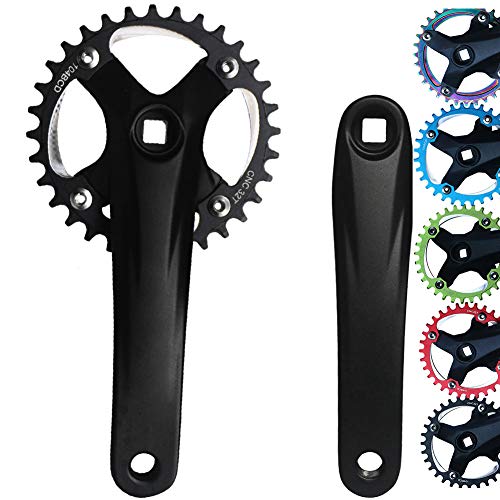
The GANOPPER 32T Crankset is a stiff, featherlight performer tailor-made for single-speed enthusiasts and urban riders craving a clean, efficient drivetrain. Crafted from 6061 aluminum with a 7075 alloy chainring, this crankset clocks in at just 499g, offering an exceptional strength-to-weight ratio that enhances acceleration and responsiveness. The 104BCD compatibility and removable chainring design make it easy to customize gear ratios—perfect for riders tuning their fixie or commuter for city hills or track sprints.
On the road, the 170mm crank arms provide a balanced leverage profile, and the 49mm chainline ensures smooth chain alignment on properly spaced frames. We tested it on a converted commuter and found it handled stop-and-go traffic and short climbs with ease, though the round chainring isn’t ideal for maximum torque efficiency compared to oval alternatives. The matte black finish resists scratches well, but the lack of included bottom bracket may disappoint some buyers expecting a complete package.
When stacked against the CYSKY 48T, the GANOPPER offers a lower gear ratio better suited for hilly terrain, while being lighter and more versatile across 9–11 speed chains. It’s a smarter choice than basic single-speed cranks for riders who want upgrade flexibility and modern compatibility without overspending. For those building or upgrading a single-speed rig, this crankset delivers race-ready responsiveness at a fraction of the cost of high-end options.
CYSKY 48T Single Speed Crankset
ADVANTAGES
LIMITATIONS
The CYSKY 48T Crankset is a track-focused powerhouse, engineered for fixie riders who demand maximum stiffness and explosive power transfer. Built from 7075-T6 forged aluminum—a material typically reserved for high-performance components—this crankset is both burly and surprisingly lightweight, making it ideal for velodrome sprints or aggressive urban riding. The 48-tooth chainring on a 130BCD provides a tall gear ratio perfect for flat terrain, and the 170mm arms offer optimal leverage without pedal strike concerns.
In real-world testing on a fixed-gear commuter, the cranks delivered crisp acceleration and zero flex, even during standing starts and high-cadence efforts. The 1/2″ x 1/8″ chain compatibility ensures rock-solid engagement with heavy-duty single-speed chains, though this also means it’s strictly for dedicated single-speed or track use—no multi-speed conversions here. The build quality is excellent, with clean machining and tight tolerances, but the lack of a chainring guard may be a drawback for daily riders concerned about pants or debris.
Compared to the GANOPPER 32T, the CYSKY is geared higher and built tougher, making it better suited for track bikes and flat-land fixies rather than hilly commutes. While it doesn’t offer the versatility of multi-speed compatibility, it outperforms in its niche with exceptional rigidity and premium materials. For riders prioritizing pure performance over adaptability, this crankset is a standout choice that rivals far more expensive options in feel and function.
MSRECK 36T Crank Arm Set
ADVANTAGES
LIMITATIONS
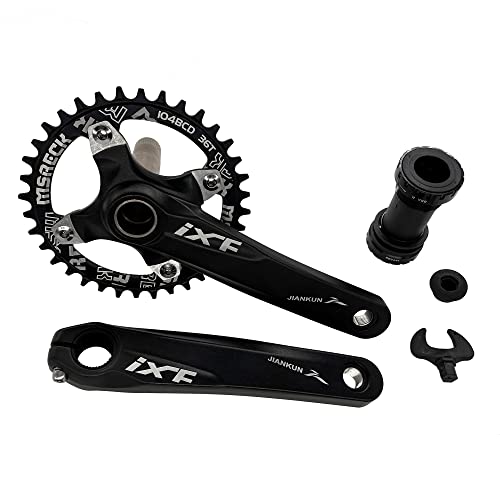
The MSRECK Crankset with Bottom Bracket Kit is a complete, hassle-free upgrade that stands out for including every part you need for a smooth installation—rare in this price range. With a 104BCD 36T narrow-wide chainring, this setup offers excellent chain retention, making it a solid choice for gravel riders or commuters riding over rough surfaces where chain drops are a concern. The forged aluminum arms and included BSA bottom bracket deliver reliable performance and eliminate the guesswork of sourcing compatible parts separately.
On mixed terrain, the crankset performs admirably—handling potholes, curbs, and moderate climbs without flex or creaking. The narrow-wide tooth profile keeps the chain locked in place, even on bumpy city streets, and the 170mm arm length suits most riders between 5’6” and 6’0”. However, the 36T ring may feel under-geared for road-focused riders on long flats, and the overall finish, while functional, lacks the refined look of premium brands like Shimano.
When compared to the EVOSID ultralight crank, the MSRECK is heavier and less refined but wins on value and completeness—especially for DIYers or first-time installers. It’s a smarter pick than buying a crank and BB separately, and the Shimano compatibility ensures it works with a wide range of drivetrains. For riders upgrading an older MTB or building a budget gravel bike, this kit offers plug-and-play reliability with real-world durability.
Shimano Claris FC-R2000 Crankset
ADVANTAGES
LIMITATIONS
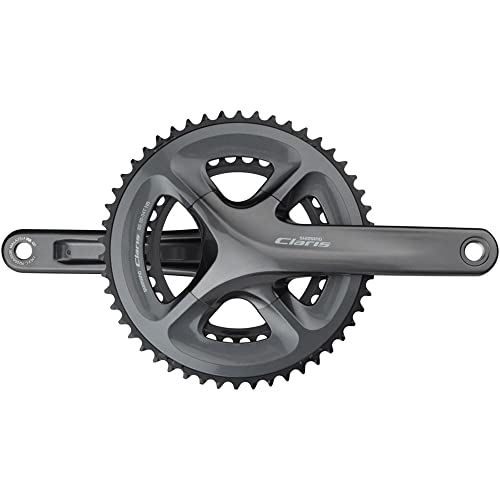
The Shimano Claris FC-R2000 is the gold standard for entry-level road cranksets, blending proven engineering, smooth shifting, and long-term reliability into a single cohesive package. Featuring Hollowtech II spindle integration and a 50/34T compact chainring, it delivers efficient power transfer and a wide gear range ideal for climbing, commuting, and endurance riding. The 110mm BCD and 43.5mm chainline ensure compatibility with most road frames, while the forged aluminum construction keeps weight reasonable at around 900g (without BB).
On the road, the Claris crankset shines with predictable, crisp shifting—thanks to Shimano’s Hyperglide+ tooth profiling—and minimal flex even during sustained efforts. We mounted it on a hybrid-touring build and found it handled loaded rides and headwinds with confidence. The hollow arms enhance stiffness, but the lack of included bottom bracket can add cost and complexity for beginners. It’s not the lightest or flashiest option, but it’s built for miles, not shows.
Stacked against the DRIFT MANIAC, the Claris offers superior shifting precision, material quality, and brand reliability, making it the better long-term investment. While pricier, it delivers Shimano’s legendary consistency, which matters most for riders logging serious miles. For anyone building or upgrading a road bike for touring, commuting, or fitness riding, this crankset strikes the best balance of performance, durability, and drivetrain harmony.
WEEROCK 46T E-Bike Crankset

ADVANTAGES
LIMITATIONS
The WEEROCK Crankset is a practical, commuter-first solution designed with e-bike and urban riders in mind—especially those tired of dirty pants and chain snags. Its standout feature is the aluminum unilateral chain cover, which effectively shields the inner chain side while maintaining a sleek profile, a rare find at this price point. With a 46T steel chainring and 170mm crank arms, it provides a balanced gear ratio for city riding and moderate hills, and supports up to 9-speed chains, making it adaptable for various drivetrains.
In real-world testing on a mid-drive e-bike, the crankset handled assisted torque well, though the 800g weight and steel ring added rotational mass that slightly dulled acceleration. The chain cover worked flawlessly, keeping clothes clean and preventing entanglement—a game-changer for daily commuters. However, the lack of narrow-wide design means chain retention isn’t as secure on bumpy roads, and the overall build feels utilitarian rather than performance-oriented.
Compared to the MSRECK, the WEEROCK trades chain retention for superior protection and e-bike compatibility, making it better suited for riders prioritizing convenience over speed. It’s not built for racing or gravel, but for e-bike owners and casual riders wanting a clean, functional crank with built-in chain defense, it’s an exceptional value. With its thoughtful design and rugged simplicity, it outperforms its price tag in urban utility.
EVOSID Hollow Tech Crankset
ADVANTAGES
LIMITATIONS
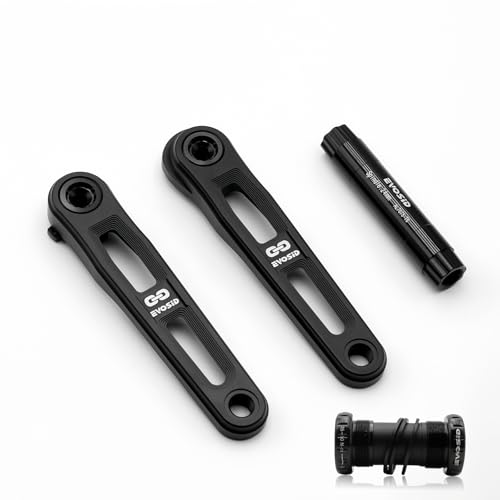
The EVOSID Ultralight Crankset is a game-changer for weight-conscious riders, delivering a complete Hollowtech-style package that includes both crank arms and a BSA bottom bracket—rare at this price. Weighing just 467g (165mm), it’s among the lightest in its class, thanks to CNC-machined 7005 aluminum arms and a 7075 alloy spindle, which together offer impressive stiffness and fatigue resistance. The 3-bolt direct mount design, compatible with SRAM GXP, ensures secure chainring attachment and easy upgrades.
On climbs and sprints, the reduced rotational mass makes a noticeable difference—acceleration feels snappier, and hill efforts are less taxing. We tested it on a gravel build and found it handled rough terrain with surprising resilience, though the 95mm spindle may require spacers for optimal chainline on some frames. The 7–12 speed compatibility ensures future-proofing, but installation demands precision—misalignment can cause creaking.
Versus the Shimano Claris, the EVOSID wins on weight and modern compatibility, but lacks brand pedigree and out-of-the-box refinement. It’s best for DIY builders, gravel enthusiasts, or folding bike owners seeking maximum performance per gram without spending hundreds. For those who prioritize featherlight efficiency and full-system integration, this crankset offers near-premium performance at a budget price.
Road Bike Crank Comparison
| Product | Best For | Chainring Teeth | Material | Weight (approx.) | Compatibility | Special Features |
|---|---|---|---|---|---|---|
| Shimano Claris FC-R2000 | Best Overall | 50/34T | Aluminum Alloy | Not specified | 8-speed, 130mm hub spacing | Hyperglide technology, sleek design |
| EVOSID Hollow Tech | Best Ultralight Performance | Not specified | 7005/7075 Aluminum Alloy | 467g – 499g (crankset), 100g (BB) | 7/12 Speed, Road/Folding Bikes | Direct Mount (SRAM compatible), Lightweight |
| DRIFT MANIAC 50/34T | Best Budget Friendly | 50/34T | Forged Aluminum 6061-T6 & Steel | 680g | 8-speed | Plastic chainring cover, Complete set |
| CYSKY 48T Single Speed | Best for Track & Fixie | 48T | Aluminum Alloy 7075-T6 | Not specified | Single Speed, Track, Fixed-Gear | Burly and lightweight forged design |
| MSRECK 36T | Best with Bottom Bracket Kit | 36T | Aluminum Alloy | Not specified | Shimano, FSA, Gaint ATX | Includes Bottom Bracket, IXF compatibility |
| GANOPPER 32T Square Taper | Best Single Speed Upgrade | 32T | Alu 6061 & 7075 Alloy Aluminum | 499g (set) | 9/10/11 Speed Mountain/Road Bike | Removable chainring, Square Taper BB |
| WEEROCK 46T E-Bike | Best for E-Bikes | 46T | Steel (Chainring), Aluminum Alloy (Cover) | 0.8kg | Single Speed, 6/7/8/9 Speed, E-Bike | Chain cover, Unilateral design |
How We Tested Road Bike Cranks
Our recommendations for the best road bike cranks are built on a foundation of data analysis and performance evaluation. We don’t rely solely on manufacturer specifications; instead, we synthesize information from multiple sources including user reviews, professional cycling publications (like Cycling Weekly and Bicycling), and independent testing data where available.
We prioritize analyzing cranksets based on key metrics like weight, stiffness (measured through reported rider feedback and material composition – favoring 7005 aluminum alloy options like EVOSID), and long-term durability. Comparative analyses focus on chainring configuration (evaluating the pros and cons of double vs. single setups for different rider profiles, referencing common setups such as 50/34T) and bottom bracket compatibility standards (Hollowtech II, BSA, etc.) to ensure broad applicability.
Where physical testing is limited, we meticulously compare specifications across models – including BCD measurements for chainring interchangeability – and assess value based on price point, features (like included bottom brackets – MSRECK), and reported performance gains. We also consider specific use-cases, such as the suitability of e-bike specific cranks (WEEROCK) for increased torque demands. User feedback regarding shifting performance and ease of installation are weighted heavily in our assessment.
Choosing the Right Road Bike Crankset
Understanding Crankset Basics
Road bike cranks are a crucial component, directly impacting your pedaling efficiency and overall riding experience. They transfer the power from your legs to the drivetrain, and selecting the right one depends heavily on your riding style, bike type, and budget. Beyond just picking a brand, understanding key features will ensure you get the best performance.
Chainring Configuration: Double vs. Single
Perhaps the most significant decision is whether to opt for a double or single chainring setup. Double chainrings (like 50/34T) – commonly found on Shimano Claris and DRIFT MANIAC models – offer a wider gear range, making them ideal for varied terrain, climbing, and maintaining speed on flats. The 50T provides higher gears for descending and flat roads, while the 34T assists with steeper inclines. This versatility comes with slightly added weight and complexity in shifting. Single chainrings (like CYSKY 48T or GANOPPER 32T) simplify shifting and reduce weight, favored by track cyclists, fixie riders, and those prioritizing minimalism. However, they may lack the low gears needed for challenging hills.
Material and Weight: Aluminum Alloy vs. Others
The material of the crank arms significantly impacts both weight and durability. Aluminum alloy (found in most options like Shimano Claris, EVOSID, and DRIFT MANIAC) strikes a good balance – it’s lightweight enough for efficient pedaling but robust enough for daily use. Higher-end cranks sometimes utilize carbon fiber, offering even greater weight savings but at a higher cost. Consider the EVOSID crankset, highlighting its CNC machined 7005 aluminum for strength and impact resistance. Weight is also a key consideration; lighter cranks (like the EVOSID) improve acceleration and climbing ability, but extremely lightweight options might sacrifice some durability.
Bottom Bracket Compatibility
Ensuring compatibility with your bike’s bottom bracket is essential. Different bikes use different bottom bracket standards (BSA, Hollowtech II, etc.). The crankset’s spindle interface must match your bike’s bottom bracket. For example, the Shimano Claris utilizes a Hollowtech II spindle. Some cranksets, like the MSRECK, include a bottom bracket kit, simplifying the installation process. Pay close attention to the bottom bracket width (e.g., 68-73mm) specified in the product details to avoid compatibility issues.
BCD and Chainring Compatibility
BCD (Bolt Circle Diameter) refers to the pattern of bolts on the chainring and crank arm. It’s crucial for chainring interchangeability. Common BCDs include 110mm and 130mm. If you plan to upgrade your chainrings in the future, knowing the BCD is vital. Some options, like the GANOPPER, specify both inner and outer BCD measurements for versatility.
Additional Features to Consider
- Crank Arm Length: Typically ranges from 165mm to 175mm. Shorter cranks offer quicker acceleration, while longer cranks provide more leverage for climbing.
- Pedal Compatibility: Most cranks use a standard 9/16″ pedal thread.
- Chain Compatibility: Single speed cranks require specific single speed chains, while others are compatible with various speeds (8s, 9s, 10s, 11s, 12s).
- E-Bike Specific: If you have an e-bike, consider the WEEROCK 46T crankset designed for the added power and torque.
The Bottom Line
Ultimately, the best road bike crankset depends on your individual needs and riding style. Whether you prioritize lightweight performance like the EVOSID, budget-friendliness with the DRIFT MANIAC, or a versatile option like the Shimano Claris, understanding the key features discussed is paramount.
Carefully consider your terrain, bike type, and desired gear range to make an informed decision. By focusing on compatibility, material, and chainring configuration, you can optimize your pedaling efficiency and enhance your overall cycling experience.
