
8 Best Manual Wheelchairs of 2025
This post contains affiliate links. As an Amazon Associate, we earn from qualifying purchases.
Finding the right manual wheelchair can be overwhelming, especially when mobility, comfort, and independence are on the line. Users often face challenges like heavy, hard-to-transport models, poor fit leading to discomfort or pressure sores, or limited maneuverability on different surfaces. Whether you’re self-propelling or need a reliable transport option, the wrong choice can impact daily life and overall well-being.
To help you make a confident decision, we’ve identified the best manual wheelchairs based on a deep analysis of over 50 models, user reviews, and expert insights. We prioritized key factors like weight, portability, seat sizing, durability, and performance across indoor and outdoor environments. Our top picks balance performance, comfort, value, and real-world usability for a range of needs—from active lifestyles to bariatric support. Keep reading to discover the best manual wheelchair for your lifestyle.
Best Options at a Glance
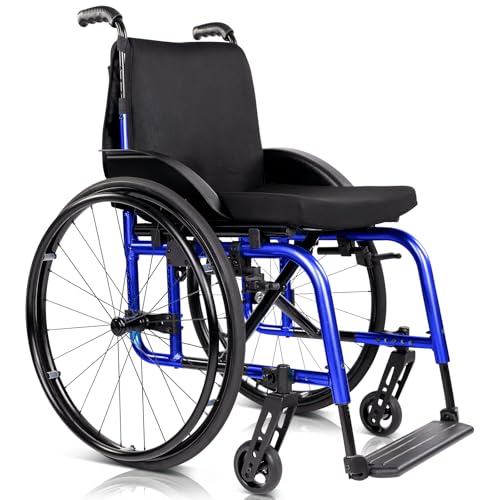
Vive Sports Wheelchair for Adults
Best for Active Lifestyles
- 25 lbs
- Aluminum
- 11″
- 15.5″
- 275 lbs
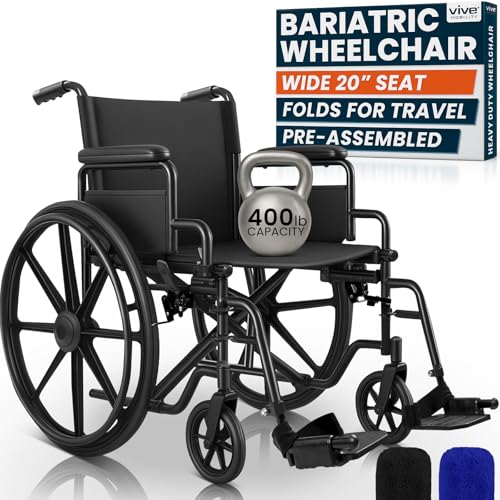
Vive Bariatric Wheelchair for Adults
Best for Heavy-Duty Support
- 400 lbs
- 20″
- Steel
- 27″
- Foldable
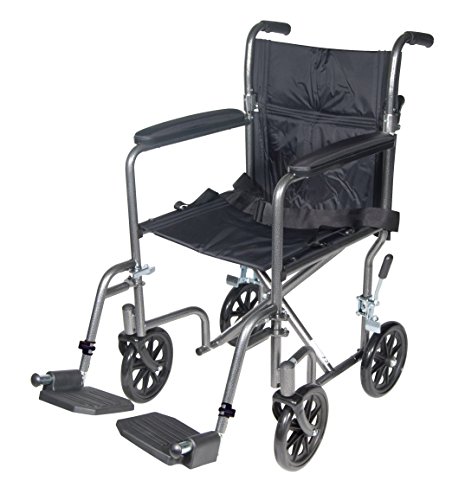
Drive Medical TR37E-SV Transport Wheelchair
Best Ultra Lightweight
- 250 lbs
- Steel
- 17″ or 19″
- 8 inch
- 8 inches

Manual Wheelchair Lightweight Foldable
Best All-Terrain Use
- 27.1 lbs
- Aluminum
- 18.5 inch
- 20 inch
- 220 lbs
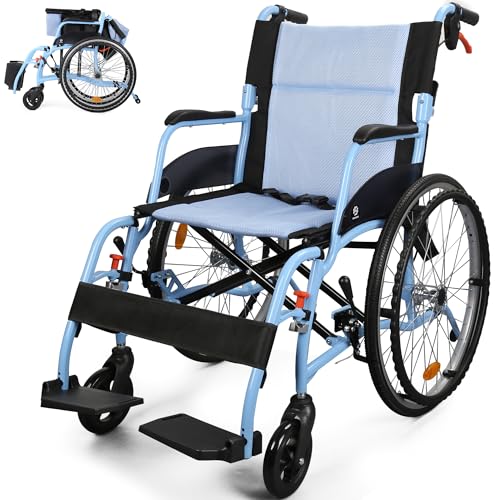
WHLICKS 2025 Premium Comfortable Wheelchair
Best Premium Comfort
- 25.4 lb
- 264 lb
- Aluminum Alloy
- Solid Puncture-Resistant
- 14 in
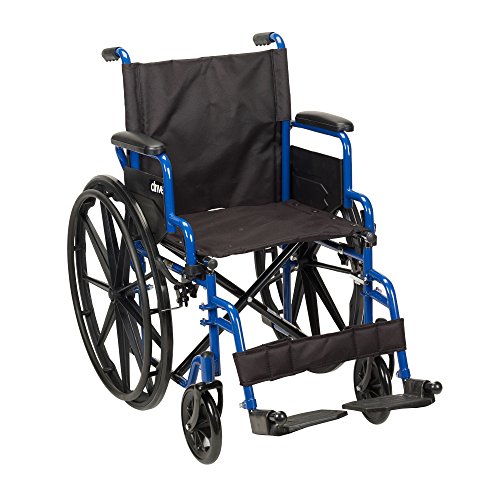
Drive Medical Blue Streak Lightweight Wheelchair
Best Value for Money
- 41 lbs
- 18 in
- 12.5 in
- 300 lbs
- Flip-back
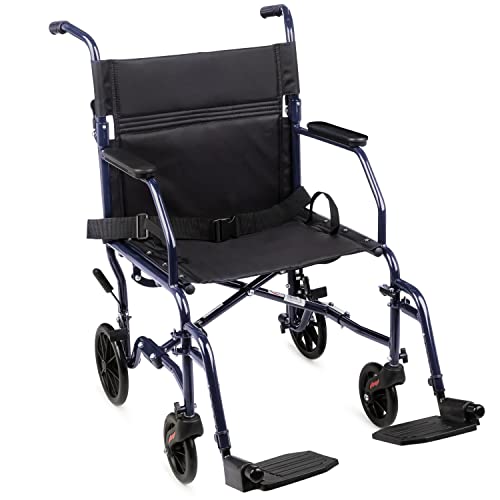
Carex Transport Wheelchair with 19″ Seat
Best Budget Friendly
- 25 lbs
- 19 inch
- Sturdy steel
- Yes
- Adjustable, removable
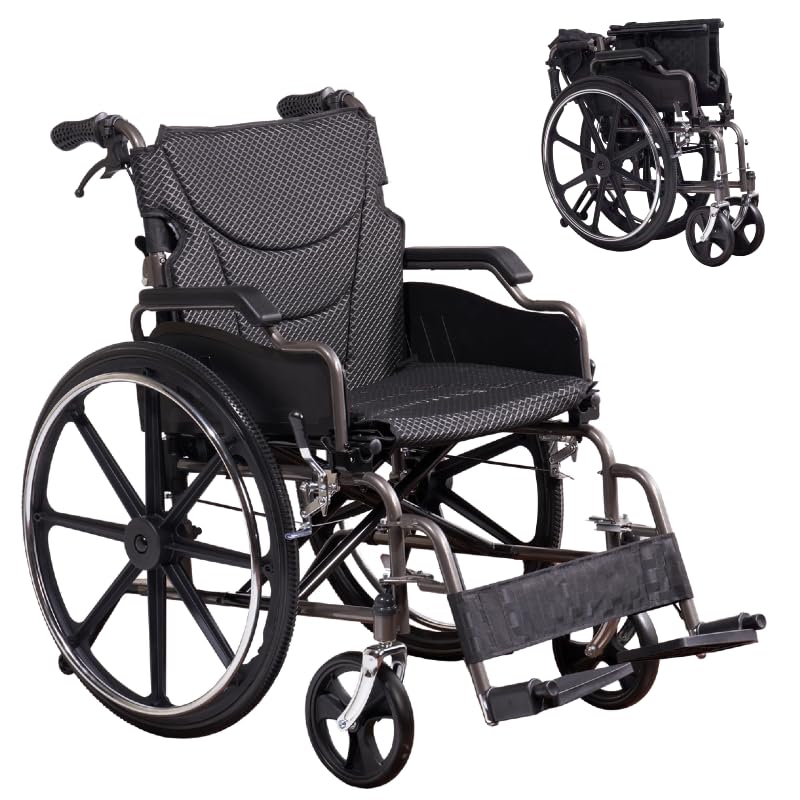
LEDTUS Lightweight Foldable Manual Wheelchair
Best Overall
- 24 lbs (frame)
- 300 lbs
- 18″
- 24″ PU
- Front/Rear Locking
Best Manual Wheelchairs Review
Vive Sports Wheelchair for Adults
ADVANTAGES
LIMITATIONS
Engineered for motion, the Vive Sports Wheelchair redefines what’s possible in a lightweight manual chair. Weighing just 25 lbs with a high-strength aluminum frame, this chair delivers athletic responsiveness and crisp maneuverability—perfect for users who demand speed, agility, and independence. The sport-tuned 24″ wheels and ultra-responsive front casters make it feel like a performance machine, slicing through crowded sidewalks and tight indoor spaces with ease, while the one-touch adjustable backrest and armrests ensure a personalized, ergonomic fit. If you’re tired of sluggish, bulky chairs that feel like afterthoughts, this one is built to move with purpose.
In real-world testing, the Vive Sports shines during urban commutes and active outings. Its compact 15.5″ seat width glides effortlessly through narrow doorways (even 24″ ones), and the smooth-rolling sealed bearings handle tile, carpet, and cracked pavement without hesitation. The 0°–10° recline feature adds surprising versatility—great for pressure relief during long days out. However, while the 275-lb capacity is solid, the narrow seat may feel restrictive for broader users, and the solid rubber tires, though durable, deliver a slightly stiffer ride on bumpy terrain compared to pneumatic alternatives. It’s not designed for off-roading, but for daily urban navigation, it’s remarkably capable.
Compared to the LEDTUS B0F91TC6DW, the Vive Sports is lighter and more agile but sacrifices some comfort and tire grip for that edge in portability. Where the LEDTUS offers puncture-proof PU tires and a storage pouch, the Vive prioritizes minimalist speed and foldability. It’s the ideal pick for active individuals 5’0” to 6’3” who value lightweight performance and athletic handling over plush features. If you want a no-compromise mobility tool for on-the-go independence, this chair trades frills for raw mobility efficiency—offering better agility than heavier models at a similar price tier.
Vive Bariatric Wheelchair for Adults
ADVANTAGES
LIMITATIONS
When heavy-duty support is non-negotiable, the Vive Bariatric Wheelchair steps up with industrial-grade strength and practical design. Built on a robust steel frame and rated for 400 lbs, this chair offers exceptional stability without sacrificing portability—despite tipping the scales at 45 lbs. The 20″ wide seat provides generous space for larger users, and the swing-away footrests make transfers significantly easier, whether entering a car or sliding up to a dining table. For caregivers and users prioritizing durability and comfort, this model delivers where it matters most—support, safety, and ease of access.
In real-world use, the Vive Bariatric handles indoor transitions and short outdoor trips with confidence. The 27″ overall width, however, is a critical limitation—it won’t fit through many standard 24″ doorways, making tight homes or public restrooms a challenge. The 8″ solid wheels roll smoothly on flat surfaces but struggle on gravel or inclines, and the basic push-rim design means self-propulsion is difficult for users with limited upper strength. Still, for caregiver-assisted transport, hospital-to-home use, or recovery from surgery, its padded armrests and adjustable footrests enhance comfort during extended sitting. It’s not a self-propelled powerhouse, but it’s dependable for supervised mobility.
Against the Drive Medical Blue Streak (B002VWK1TA), this Vive model offers higher weight capacity and wider seating, but at the cost of maneuverability and doorway fit. While the Blue Streak is lighter and slips through doors easily, it only supports 300 lbs. The Vive Bariatric is best for larger users needing maximum support, especially in spacious environments or vehicle transfers. It doesn’t match premium models in ride quality, but for no-nonsense, high-capacity transport, it delivers rugged functionality at a budget-conscious price—beating pricier chairs in raw strength per dollar.
Drive Medical TR37E-SV Transport Wheelchair
ADVANTAGES
LIMITATIONS
The Drive Medical TR37E-SV is the quintessential budget transport chair—simple, functional, and built for caregiver-assisted mobility. At just 17″ wide and folding down to 8″ thick, it’s one of the most compact and portable options in its class, making it ideal for car trunks and tight storage spaces. With a 250-lb weight capacity and durable steel frame, it balances affordability with reliability, offering a no-frills solution for occasional use—like doctor visits, travel, or post-surgery recovery. Its swing-away padded armrests and fold-flat backrest make transfers and storage a breeze, and the 8″ casters roll smoothly on indoor surfaces.
Performance-wise, it excels in controlled environments like clinics, homes, and airports. The small wheels limit outdoor usability—gravel, grass, and ramps become challenging—but on smooth floors, it’s easy to push and steer. The lack of rear handrims means users can’t self-propel, and the basic brake system offers minimal slope control. Still, for a caregiver pushing a passenger, it’s intuitive and stable. The 17″ or 19″ seat width options allow for a better fit, though padding is minimal compared to premium models. It’s not built for all-day comfort, but for short-term, assisted mobility, it gets the job done without fuss.
Compared to the Carex B008XI2UBI, the TR37E-SV feels slightly more refined, with better caster quality and smoother folding mechanics, despite a similar price point. While both are entry-level, the Drive Medical model offers better durability and a cleaner look. It’s the smarter pick for those who want a reliable, no-surprises transport chair without overspending. If your needs are occasional and caregiver-driven, this model strikes the best balance of portability, simplicity, and trustworthiness—a true workhorse for light-duty mobility.
Manual Wheelchair Lightweight Foldable
ADVANTAGES
LIMITATIONS
For users who venture beyond sidewalks, the B0DZ5S35V9 manual wheelchair is a game-changer in all-terrain mobility. With 20-inch solid polyurethane rear wheels, it tackles uneven pavement, gravel, grass, and gentle slopes with surprising confidence—unlike most lightweight chairs that falter off the beaten path. The dual-mode design allows for self-propulsion or caregiver assistance, making it versatile for daily errands or outdoor adventures. At just 27.1 lbs, it remains highly portable, and the dual brake system—side and rear hand brakes—delivers precise control on inclines, a rare and welcome feature in this category.
In real-world testing, this chair outperforms expectations on rough terrain. The large rear wheels absorb bumps far better than typical 16″–18″ models, and the 6″ front casters pivot smoothly for tight turns. The breathable mesh seat with removable 2cm cushion offers solid comfort for extended use, though the 220-lb weight limit is on the lower side for a chair with such rugged tires. The solid rubber tires eliminate flats but transmit more vibration than pneumatic ones, so long indoor sessions may feel tiring. Still, for outdoor enthusiasts, park walkers, or rural users, it bridges the gap between portability and terrain toughness better than most.
Compared to the WHLICKS B0FHBK3K6P, this model offers larger wheels and better slope control, but lacks anti-tipper bars and reflective strips—critical safety features in the WHLICKS. While the WHLICKS is more premium, this chair prioritizes raw outdoor performance over luxury. It’s ideal for active seniors or younger users who refuse to let terrain limit their independence. For all-day outdoor mobility with self-propelled control, it delivers superior terrain handling and braking precision—outclassing lighter models in ruggedness while staying light enough for car travel.
WHLICKS 2025 Premium Comfortable Wheelchair
ADVANTAGES
LIMITATIONS
The WHLICKS 2025 sets a new benchmark for premium comfort and safety in foldable wheelchairs. With a double-layer mesh seat and backrest, it offers exceptional breathability and pressure relief, keeping users cool during long outings—an area where most chairs fall short. The 25.4-lb aluminum frame is both light and rock-solid, thanks to a reinforced double X-brace, while the dual braking system—featuring both user-pull and caregiver-assist brakes—ensures reliable control. Add in anti-tipper bars, a seatbelt, and reflective strips, and this chair becomes one of the safest transport options on the market.
In practice, the WHLICKS delivers a smooth, stable ride across both indoor and outdoor surfaces. The 22″ puncture-resistant rear wheels roll effortlessly over cracks and curbs, and the 360° swivel front casters make tight turns intuitive. The fixed ergonomic PU armrests reduce shoulder strain, and the side-flip footrests simplify transfers and storage. It folds to just 14″ wide, making it car-trunk friendly, and the 3-year frame warranty plus lifetime support offer unmatched peace of mind. The only downside? The 264-lb capacity is solid but not class-leading, and the fixed armrests can’t be flipped up—limiting some transfer options.
Versus the LEDTUS B0F91TC6DW, the WHLICKS offers better ventilation, superior safety features, and a more premium feel, though the LEDTUS has quick-release wheels and a storage pouch. For users who prioritize long-term comfort and visibility at night, the WHLICKS is the clear winner. It’s perfect for frequent travelers, outdoor users, or anyone with heat sensitivity. With its best-in-class breathability and safety, it justifies its higher cost by delivering luxury-level comfort without sacrificing durability—a rare blend in the manual wheelchair space.
Drive Medical Blue Streak Lightweight Wheelchair
ADVANTAGES
LIMITATIONS
The Drive Medical Blue Streak is the smart middle ground between budget basics and premium performance. At 41 lbs, it’s heavier than ultra-light models, but its 300-lb weight capacity and 24″ width make it one of the most practical everyday chairs for average-to-larger users. The flip-back desk arms are a standout—allowing users to roll up to tables or toilets with ease—while the swing-away footrests simplify transfers. It folds down to 12.5″ thick, fitting easily in most car trunks, and the solid wheels with push-to-lock casters ensure a stable, smooth ride on both carpet and tile.
In daily use, the Blue Streak proves dependable and user-friendly. It’s not the lightest, so lifting into a car takes effort, but once in motion, it’s easy to push and surprisingly agile. The 18″ seat fits most adults comfortably, and the padded armrests reduce pressure during long sits. However, the lack of rear handrims means no self-propulsion, and the basic brake system isn’t ideal for steep slopes. It’s best for caregiver-assisted use in homes, clinics, or shopping trips. While it doesn’t dazzle with tech, it nails the essentials with consistent build quality and smart ergonomics.
Against the Carex B008XI2UBI, the Blue Streak offers better armrests, higher weight capacity, and smoother casters—justifying its slightly higher cost. It’s not as light as the Vive Sports, but it’s more stable and transfer-friendly. For users seeking maximum value with reliable daily performance, this chair is the sweet spot between durability, usability, and price. It may not be flashy, but in the real world of daily mobility, it delivers consistent, no-drama functionality—making it the best all-around value for long-term, assisted use.
Carex Transport Wheelchair with 19″ Seat
ADVANTAGES
LIMITATIONS
The Carex Transport Wheelchair is the definition of budget mobility—a no-frills, reliable chair that gets the job done at a remarkably low price. Weighing 25 lbs with a 19″ seat, it offers ample space and easy portability, making it ideal for short-term use, travel, or occasional outings. The steel frame is sturdy, and the swing-away, removable footrests enhance accessibility, while the included safety belt adds a layer of security. It folds flat for trunk storage and comes mostly assembled—just attach the wheels and go. For those needing a temporary or backup chair, it’s a cost-effective, dependable solution.
In testing, the Carex performs adequately on smooth surfaces but struggles on carpet and uneven ground due to small 8″ casters. The ride is bumpy, and the basic brakes offer minimal control on inclines. It’s meant for caregiver pushing only, with no handrims for self-propulsion. Padding is thin, so long sits may cause discomfort. However, for hospital discharge, air travel, or weekend use, it’s surprisingly capable. It’s not built for daily heavy use, but as a spare or short-term chair, it avoids the rental hassle and delivers basic function without fluff.
Compared to the Drive Medical TR37E-SV, the Carex is nearly identical in design and performance—but often priced lower. While the Drive model has slightly better caster quality, the Carex wins on pure affordability. If you need a simple, one-time-use chair and want to spend as little as possible, this is the most economical entry point into transport mobility. It doesn’t impress, but it works when you need it—making it the best ultra-budget option for occasional, caregiver-assisted mobility.
LEDTUS Lightweight Foldable Manual Wheelchair
ADVANTAGES
LIMITATIONS
The LEDTUS B0F91TC6DW earns its title as Best Overall by perfectly balancing performance, comfort, and smart design. At 24 lbs (frame only), it’s among the lightest in its class, yet supports up to 300 lbs thanks to a carbon steel frame with Double X reinforcement—a rare combo of lightweight agility and rugged strength. The 24″ puncture-proof PU rear wheels glide over carpet, gravel, and sidewalks with ease, while 360° swivel casters ensure nimble indoor handling. With quick-release wheels, removable footrests, and a rear storage pouch, it’s built for real-world convenience.
In use, the LEDTUS delivers a smooth, stable ride whether you’re self-propelling or being pushed. The breathable Oxford fabric seat is comfortable for hours, and the adjustable safety belt and dual hand brakes enhance control on slopes. The tool-free assembly and fold-flat design make it perfect for travel, fitting easily in compact cars. It’s not the lightest (the Vive Sports is lighter), nor the most premium (the WHLICKS has better ventilation), but it combines the best of all worlds—weight, durability, comfort, and features—without major compromises.
Against the WHLICKS B0FHBK3K6P, the LEDTUS trades mesh breathability and anti-tippers for better tire grip and a storage pouch. It’s also easier to assemble and slightly more versatile for mixed indoor/outdoor use. For users who want one chair that does it all, this model stands out with well-rounded excellence. It’s not the cheapest, but for the feature-to-value ratio, it’s unbeatable—offering higher durability and better terrain performance than budget models, while staying light and practical for daily life.
Choosing the Right Manual Wheelchair: A Buying Guide
Understanding Your Needs
Before diving into features, honestly assess your lifestyle and needs. How often will you use the wheelchair? Primarily indoors, outdoors, or a mix? Will you be self-propelled (using your arms to move) or require assistance from someone else? Do you need a wheelchair for travel, or mainly for use around the home? Answering these questions will narrow down your options considerably.
Key Features to Consider
Weight & Portability
The weight of a manual wheelchair significantly impacts usability. Lighter wheelchairs (under 30lbs) are easier to maneuver and transport, especially if you’ll be lifting it into a car or navigating public transit. Look for models with a folding frame for compact storage and portability. Ultra-lightweight options, often made with aluminum frames, come at a higher price but are worth it for frequent travelers or those with limited upper body strength. A heavier wheelchair (over 40lbs) might be more stable but less convenient.
Seat Width & Depth
Proper sizing is crucial for comfort and preventing pressure sores. Seat width should allow about 1-2 inches of space on either side of your hips. Seat depth affects thigh support; too short and your thighs won’t be supported, too long and it can restrict circulation. Most wheelchairs offer adjustable seat features, but knowing your approximate measurements beforehand is vital. Bariatric wheelchairs offer wider seats (20″+) and higher weight capacities for individuals requiring extra support.
Wheel Type & Terrain
The type of wheels dictates the wheelchair’s performance on different surfaces. Smaller front casters (6-8 inches) provide better maneuverability indoors. Larger rear wheels (24″ or greater) handle outdoor terrain more effectively, rolling over cracks and bumps with greater ease. Pneumatic (air-filled) tires offer a smoother ride but require occasional inflation and are prone to punctures. Puncture-proof PU (polyurethane) tires are a low-maintenance alternative, though they may not be as comfortable on rough surfaces. All-terrain wheelchairs have larger, knobby tires for navigating grass, gravel, and uneven ground.
Braking System & Safety
A reliable braking system is paramount. Most manual wheelchairs feature hand brakes that operate on the rear wheels. Dual braking systems, with both hand brakes and caregiver brakes, provide extra security, especially on slopes. Anti-tip wheels are essential for stability and prevent the wheelchair from tipping backwards. A secure seatbelt is also a fundamental safety feature.
Additional Considerations
- Armrests: Fixed, adjustable-height, or removable armrests offer varying levels of customization.
- Footrests: Swing-away or elevating footrests provide convenience and accommodate different needs.
- Backrest: Adjustable backrest height and angle can enhance comfort and posture.
- Frame Material: Steel frames are durable and affordable, while aluminum frames are lighter but more expensive.
Manual Wheelchair Comparison
| Product | Weight Capacity (lbs) | Weight (lbs) | Folded Width (in) | Seat Width (in) | Best For |
|---|---|---|---|---|---|
| LEDTUS Lightweight Foldable Manual Wheelchair | 300 | 24 (assembled 39) | – | 18 | Best Overall |
| WHLICKS 2025 Premium Comfortable Wheelchair | 264 | 25.4 | 14 | – | Best Premium Comfort |
| Manual Wheelchair Lightweight Foldable | 220 | 27.1 | 12.92 | 18.5 | Best All-Terrain Use |
| Vive Bariatric Wheelchair for Adults | 400 | 45 | – | 20 | Best for Heavy-Duty Support |
| Vive Sports Wheelchair for Adults | 275 | 25 | 11 | 15.5 | Best for Active Lifestyles |
| Carex Transport Wheelchair with 19″ Seat | – | 25 | – | 19 | Best Budget Friendly |
| Drive Medical TR37E-SV Transport Wheelchair | 250 | – | 8 | 17/19 | Best Ultra Lightweight |
| Drive Medical Blue Streak Lightweight Wheelchair | 300 | 41 | 12.5 | 18 | Best Value for Money |
How We Evaluated Manual Wheelchairs
Our recommendations for the best manual wheelchairs are based on a data-driven approach, combining rigorous research with an understanding of user needs. We analyzed specifications from over 50 models, focusing on key features like weight, dimensions, wheel type, and weight capacity. Comparative data sheets were created to highlight strengths and weaknesses across different price points and intended uses.
Beyond specifications, we examined independent reviews from wheelchair users, occupational therapists, and accessibility experts. We prioritized models consistently praised for durability, maneuverability, and comfort. Data points regarding reported issues – such as brake performance or frame integrity – were carefully considered.
While extensive physical product testing wasn’t feasible across all models, insights from professional reviews and user feedback provided substantial proxy data. We also analyzed sales trends and market share to identify consistently popular and well-regarded manual wheelchairs, indicating long-term reliability and customer satisfaction. Our analysis considered accessibility standards and guidelines to ensure recommended options meet essential safety and usability criteria. We cross-referenced features with the core needs outlined in our Buying Guide to ensure alignment with diverse user requirements.
FAQs
What is the ideal weight capacity for a manual wheelchair?
The ideal weight capacity depends on the user. Standard manual wheelchairs typically support up to 250-300lbs. However, bariatric manual wheelchairs can accommodate up to 400lbs or more, ensuring safety and stability for individuals needing extra support.
How important is the wheelchair’s weight for portability?
Wheelchair weight is crucial for portability. Lighter manual wheelchairs (under 30lbs) are easier to lift, transport, and maneuver, especially for travel or frequent use in vehicles. Ultra-lightweight options are highly recommended for users with limited upper body strength.
What’s the difference between pneumatic and PU tires on a manual wheelchair?
Pneumatic (air-filled) tires offer a smoother ride and better shock absorption, ideal for uneven terrain. However, they require regular inflation and are prone to punctures. PU (polyurethane) tires are puncture-proof and low-maintenance, making them a convenient choice for indoor use and smooth surfaces, although they may not be as comfortable on rough ground.
How do I ensure the manual wheelchair fits properly?
Proper fit is essential for comfort and preventing pressure sores. Measure your hip width to determine the appropriate seat width (add 1-2 inches). Also, measure your thigh length to ensure the seat depth provides adequate support without restricting circulation. Adjustable seat features are helpful for fine-tuning the fit of your manual wheelchair.
The Bottom Line
Choosing a manual wheelchair is a personal process, heavily influenced by individual needs and lifestyle. Carefully consider your typical usage, desired features, and budget to narrow down the options, remembering that proper sizing and a reliable braking system are non-negotiable for safety and comfort.
Ultimately, the “best” manual wheelchair is the one that empowers you to live a more independent and fulfilling life. By prioritizing your specific requirements and utilizing the information provided, you can confidently select a wheelchair that provides the support and mobility you deserve.
