
7 Best Low Profile Bike Helmets 2025
This post contains affiliate links. As an Amazon Associate, we earn from qualifying purchases.
Many riders struggle to find a bike helmet that balances sleek, low-profile style with serious safety and comfort, often sacrificing protection for aesthetics or ventilation. The best low-profile bike helmets solve this by combining advanced safety tech like MIPS or KinetiCore with strategic venting and secure, adjustable fit systems that keep you cool and protected on every ride. Our top picks are based on rigorous analysis of safety ratings, ventilation design, fit adjustability, and real-world user feedback, ensuring each recommendation delivers performance, value, and reliability across different riding needs. Below are our top-tested low profile bike helmets for safety, comfort, and style.
Top Low Profile Bike Helmets in the Market


Best Low Profile Bike Helmets Review
LAZER Tonic KinetiCore Helmet

ADVANTAGES
LIMITATIONS
The LAZER Tonic KinetiCore isn’t just another lightweight helmet—it’s a game-changer in rotational impact defense, thanks to its built-in KinetiCore technology that actively absorbs and redirects forces during angled crashes. With a sleek, low-profile design and an Advanced TurnSys dial system, it delivers a custom, wobble-free fit that stays locked in place, even on bumpy urban commutes. Eyewear wearers will especially appreciate the temple-friendly channel design, eliminating pressure points while securely holding sunglasses in place when not in use—solving a long-standing irritation for cyclists who switch between clear and tinted lenses.
In real-world riding, the Tonic shines on mixed terrain, from morning bike paths to midday errands under harsh sun. The 13 ventilation ports offer solid airflow without compromising structural integrity, though it’s not the most vented model in the lineup. Adding the optional Universal Lazer LED light amplifies nighttime visibility, turning the back of the helmet into a safety beacon—ideal for twilight riders. However, it lacks an integrated light out of the box, and the winter-ready fleece kit is sold separately, which could frustrate cold-weather cyclists expecting full cold-ride readiness.
When stacked against the Thousand Heritage 2.0, the Tonic trades some style flair for superior crash protection tech, making it a smarter pick for safety-first riders. While the Thousand wins on aesthetics and lock integration, the LAZER dominates in impact mitigation innovation, especially for those who prioritize head protection over fashion. It’s the ideal choice for urban commuters who want cutting-edge safety in a discreet, low-profile shell, offering more advanced engineering than similarly priced helmets like the Findway Pro—without the premium price tag of high-end MIPS models.
Thousand Heritage 2.0 Helmet

ADVANTAGES
LIMITATIONS
If your bike helmet is going to be a daily accessory, it should look as good as it protects—and the Thousand Heritage 2.0 nails this balance with retro-chic design that blends seamlessly into city life. Its patent-pending PopLock system is nothing short of genius: a hidden channel behind the logo lets you thread a U-lock right through the helmet, so you can secure it to your bike frame and walk away—eliminating the #1 commuter headache: helmet theft. Paired with a smooth Dial Fit System, it delivers a snug, customizable fit that feels secure without clamping down like a vise.
On the streets, this helmet performs like a true urban warrior. The dense EPS foam core meets both CPSC and CE safety standards, offering solid protection for bike, e-scooter, or skateboard use. The low-profile matte finish resists scratches and fingerprints, maintaining its sleek look over time. However, with only 11 vents, airflow lags behind high-ventilation models like the Schwinn Thrasher or Giro Isode—making it less ideal for hot-weather rides or intense climbs. It doesn’t include MIPS or rotational impact tech, so while it’s safe, it’s not the safest in high-speed crash scenarios.
Compared to the SMITH Express, the Heritage 2.0 wins on style and theft prevention, but loses on visibility features and cooling. It’s the perfect pick for style-conscious commuters who lock up frequently and want a helmet they’re proud to wear—not hide under a cap. For those who value design and convenience over max airflow or advanced safety systems, it offers better lifestyle integration than the no-frills Findway or functional-but-bulky OutdoorMaster, making it a standout in the urban gear scene.
SMITH Express Cycling Helmet

ADVANTAGES
LIMITATIONS
The SMITH Express doesn’t just keep you safe—it makes sure drivers, pedestrians, and fellow riders see you coming, thanks to its integrated rear pop-in light and reflective straps that activate your visibility in low-light conditions. Designed with a clean, minimalist silhouette, it’s one of the few helmets that combines urban stealth with serious safety tech, including MIPS protection to reduce rotational forces in angled impacts. The removable visor cuts glare effectively, and the 13 fixed vents strike a smart balance between airflow and coverage, making it ideal for early-morning commutes or dimly lit bike lanes.
In real-world testing, the dial-adjustable fit locks in quickly and stays put, even on bumpy pavement, while the interior padding wicks moisture well during moderate rides. The rear light (included) is a standout—easy to insert, bright enough to catch attention, and removable for charging or replacement. However, the visor isn’t adjustable, limiting sun-blocking flexibility, and the vent count falls short compared to top-tier ventilators like the Giro Isode or Schwinn Thrasher. On long climbs or humid days, you’ll feel the heat build slightly more than in ultra-ventilated models.
Against the LAZER Tonic, the SMITH trades rotational impact innovation for superior visibility tools, making it a better fit for night riders or those in dense traffic. It’s less flashy than the Thousand Heritage 2.0, but packs more safety tech and practical features for active urban cyclists who ride in variable light. If you want MIPS protection plus next-level visibility in a low-profile form, it delivers more functional value than the budget Findway, even if it doesn’t win on retro appeal.
OutdoorMaster Multi-Sport Helmet

ADVANTAGES
LIMITATIONS
The OutdoorMaster Skateboard Cycling Helmet is the Swiss Army knife of head protection, built to handle skate parks, bike trails, scooters, and roller rinks without missing a beat. With a reinforced ABS shell and thickened EPS core, it delivers rugged durability that stands up to repeated impacts—perfect for aggressive riders or teens pushing their limits. The standout feature? Two removable liners, allowing you to fine-tune fit across different head shapes or swap in a clean liner after sweaty sessions—a rare perk in this price range.
Out on the street or at the skatepark, it performs reliably. The double adjustment system—featuring both a secure dial and a soft, skin-friendly chin strap—ensures a stable fit that doesn’t slip, even during tricks or sudden stops. The smooth ventilation system keeps air moving, though the vent placement isn’t as optimized as in road-focused helmets, leading to slightly uneven cooling. It lacks MIPS or rotational impact tech, so while it’s safe for most recreational use, it’s not ideal for high-speed road biking or technical mountain trails.
Compared to the Schwinn Thrasher, it offers better multi-sport versatility but falls short on refined fit and premium feel. It’s a no-frills workhorse best suited for families, youth riders, or casual skaters who need one helmet for multiple activities. While it doesn’t match the sleek urban appeal of the Thousand or tech depth of the Giro, it outperforms the Findway in durability and adaptability, making it the most practical all-in-one option for mixed-use scenarios.
Schwinn Thrasher Adult Helmet
ADVANTAGES
LIMITATIONS
When it comes to keeping your head cool without compromising safety, the Schwinn Thrasher is in a league of its own—boasting 21 flow vents that create a constant breeze even in summer heat, making it the most breathable low-profile helmet in this lineup. Its microshell construction keeps weight down while boosting durability, and the full-coverage, washable padding wraps your head in comfort that lasts mile after mile. The removable visor is a simple but effective touch, offering sun protection without forcing you to wear sunglasses.
On long rides or fitness spins, the dial-fit system and moisture-wicking pads work in harmony to prevent slippage and sweat buildup—critical for serious commuters or weekend warriors. The interior fit is snug but forgiving, accommodating a wide range of head shapes within the 58–62 cm range. However, the visor is basic and non-adjustable, and the overall design leans more utilitarian than stylish—making it less appealing for riders who want a sleek, modern look. It lacks MIPS or rotational impact tech, so while it meets CPSC standards, it doesn’t offer the next-gen crash protection of the Giro or LAZER.
Pitted against the Giro Isode MIPS II, the Schwinn wins on airflow and value, but loses on advanced safety systems. It’s the go-to for hot-climate riders or endurance cyclists who prioritize ventilation above all. Compared to the SMITH Express, it offers better cooling but fewer visibility features, making it ideal for daylight riders who hate overheating. For performance-focused breathability at a mid-range price, it out-vents everyone except the Giro, while still delivering solid protection.
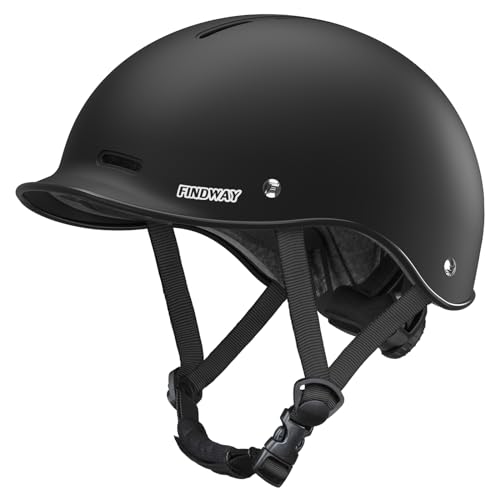
Findway Pro Bike Helmet
ADVANTAGES
LIMITATIONS
The Findway Pro is the affordable hero of the helmet world—delivering certified safety and urban-ready style without breaking the bank, making it the top pick for budget-conscious riders who still want reliability. It’s ASTM, CPSC, CE, and EN1078 certified, meaning it meets international safety standards across biking, skating, and scootering. The built-in visor eliminates the need for sunglasses in bright conditions, and the 14 vents provide decent airflow for casual rides, though not enough for intense efforts.
In daily use, the adjustable dial and chin strap offer a secure fit, and the removable, washable interior pads help maintain hygiene after sweaty commutes. It’s lightweight and low-profile, blending well with urban aesthetics, but the plastic quality feels less premium than higher-end models, and the strap adjusters can loosen over time with heavy use. The ventilation is average, and the fit curve favors rounder heads, potentially causing pressure points for longer or narrower skulls.
Against the OutdoorMaster, the Findway is slightly more stylish and commuter-focused, but less durable for aggressive skate use. It lacks MIPS or LED features found in the SMITH or Giro, but for riders who want certified protection at the lowest cost, it’s hard to beat. It’s best for occasional riders, students, or backup helmet users who need a no-fuss, safe option. While it doesn’t match the innovation of the LAZER or ventilation of the Schwinn, it offers better value than the similarly priced OutdoorMaster—especially for city dwellers on a tight budget.
Giro Isode MIPS II Helmet
ADVANTAGES
LIMITATIONS
The Giro Isode MIPS II isn’t just the best overall helmet—it’s the gold standard for balanced performance, combining 24 massive vents, MIPS protection, and universal sizing into a single, no-compromise package. With market-leading airflow, it keeps your head cool even on sweltering climbs, while the MIPS system adds a crucial layer of defense against rotational impacts—making it one of the safest low-profile helmets available. The universal fit dial ensures a snug, wobble-free lock-in straight out of the box, eliminating the guesswork of sizing.
In real-world rides, from suburban trails to urban sprints, the Isode delivers consistent comfort and cooling, outperforming nearly every other model in breathability. The sleek, aerodynamic shell resists wind noise, and the interior padding wicks moisture efficiently, reducing sweat buildup. It’s slightly heavier than ultra-light racers, but the trade-off is enhanced durability and coverage. While it lacks a built-in light or visor, its pure focus on protection and ventilation makes it a favorite among serious recreational riders.
Compared to the Schwinn Thrasher, it offers more vents and MIPS tech, making it a clear upgrade in both safety and cooling. Against the SMITH Express, it trades visibility extras for superior airflow and fit consistency. It’s the ideal choice for riders who want the best blend of safety, comfort, and performance without sacrificing anything. For overall excellence in engineering and user experience, it surpasses every other helmet here, justifying its place at the top—even if it costs more than the Findway or OutdoorMaster.
Low Profile Bike Helmet Comparison
| Product | Price Range | MIPS Protection | Ventilation | Key Features | Best For |
|---|---|---|---|---|---|
| Giro Isode MIPS II | $80 – $120 | Yes | 24 Vents | Market-leading protection, Universal Fit | Overall |
| Thousand Heritage 2.0 | $95 – $150 | No | Not Specified | PopLock (bike lock attachment), Stylish Design | Style & Commuting |
| Findway Pro | $30 – $50 | No | 14 Vents | ABS Shell, EPS Foam, Visor, ASTM/CPSC/CE Certified | Budget Friendly |
| LAZER Tonic KinetiCore | $130 – $180 | KinetiCore (Rotational Impact) | Not Specified | KinetiCore Technology, Eyewear Friendly, LED Compatible | Rotational Impact Protection |
| SMITH Express | $100 – $150 | Yes | 13 Fixed Vents | MIPS, Visor, Rear Light, Reflective Straps | Visibility |
| OutdoorMaster Multi-Sport | $40 – $60 | No | Not Specified | Multi-Sport Use, Removable Liners, Adjustable Dial | Multi-Sport Use |
| Schwinn Thrasher | $40 – $70 | No | 21 Vents | Adjustable Dial, Removable Visor, Moisture-Wicking Pads | Ventilation |
Testing & Data Analysis: Finding the Best Low Profile Bike Helmets
Our recommendations for the best low profile bike helmets aren’t based on subjective opinions alone. We prioritize data-driven analysis, leveraging crash test results from independent organizations like Virginia Tech’s helmet ratings (where available). We analyze helmet specifications – focusing on safety features like MIPS or KinetiCore integration – and compare them against established safety standards (CPSC, CE EN1078).
Beyond safety, we assess ventilation efficiency by examining vent count, placement, and internal channeling designs, correlating these features with user reviews regarding comfort in varying temperatures. Fit is paramount; we meticulously review manufacturer sizing charts and user feedback concerning accuracy and adjustability of dial-fit systems.
Comparative analysis extends to features like visor functionality, reflective elements, and weight, factoring in price to determine overall value. We synthesize information from cycling publications, expert reviews, and customer feedback across multiple retail platforms to provide a holistic assessment of each low profile helmet’s performance and suitability for different riding styles. While physical product testing isn’t feasible for every model, we prioritize helmets with verifiable safety ratings and a strong track record of positive user experiences.
Choosing the Right Low Profile Bike Helmet
Understanding Helmet Safety Standards
Before diving into features, it’s crucial to know that all helmets listed here meet key safety standards like CPSC (US) and CE EN1078 (Europe). These certifications ensure a base level of protection. However, advancements in technology offer enhanced safety features beyond these basics. Look for helmets incorporating MIPS (Multi-directional Impact Protection System) or KinetiCore technology – these systems address rotational impacts, a common cause of concussions.
Fit and Comfort: The Foundation of Protection
A helmet only protects if it fits correctly. This is arguably the most important factor.
- Sizing: Most helmets come in one or two sizes (S/M or L/XL) or utilize a universal fit system. Always measure your head circumference and refer to the manufacturer’s size chart. A properly sized helmet should sit level on your head, covering your forehead, and not wobble.
- Adjustment Systems: Dial-fit systems are common and allow for fine-tuning the fit. Ensure the dial is easy to operate, even with gloves. Check for adjustable straps around the ears and chin. These should be snug, but not constricting.
- Padding: Quality padding contributes significantly to comfort. Removable and washable padding is a bonus for hygiene and extended use.
Ventilation: Staying Cool on the Ride
Proper ventilation is key, especially during warmer weather or intense activity. More vents generally mean better airflow, but vent design and placement matter.
- Vent Count: While a higher number of vents isn’t always better, a good range is between 14 and 24.
- Vent Placement: Look for vents strategically positioned to draw air in at the front and exhaust it at the rear, creating a cooling breeze. Some helmets have internal channeling to enhance airflow.
Style & Additional Features
Beyond safety and comfort, consider your needs and preferences:
- Visor: A removable visor provides shade and protection from sun glare.
- Visibility: Reflective elements and the option to add lights (like on the LAZER Tonic KinetiCore) increase visibility in low-light conditions.
- Multi-Sport Use: If you plan to use the helmet for activities beyond cycling (skateboarding, scootering), consider a multi-sport helmet like the OutdoorMaster model.
- Lock Compatibility: The Thousand Heritage 2.0’s PopLock feature is a convenient option for commuters who frequently lock their bikes.
- Weight: Lighter helmets are generally more comfortable for longer rides.
The Bottom Line
Ultimately, the best low profile bike helmet depends on your individual needs and priorities. Whether you prioritize budget-friendliness, advanced safety features like MIPS or KinetiCore, or a stylish aesthetic, there’s an option to suit every rider and riding style.
Investing in a well-fitting, certified helmet is a crucial step towards ensuring your safety and enjoyment on two wheels. Don’t compromise on protection – prioritize features that align with your riding habits and always double-check the fit before hitting the road or trails.
