
8 Best Hybrid Bicycles of 2025
This post contains affiliate links. As an Amazon Associate, we earn from qualifying purchases.
Many riders struggle to find a bike that balances speed, comfort, and versatility for commuting, fitness, and casual rides. The best hybrid bicycles solve this by combining efficient 700c wheels, upright riding positions, and durable components like disc brakes and aluminum frames for reliable, all-terrain performance. We evaluated each model based on real-world data, expert reviews, user feedback, and key factors like braking power, gear range, frame material, and comfort features to ensure our picks deliver the best value and ride quality. Below are our top-tested hybrid bicycles to match every rider’s needs and budget.
Top 8 Hybrid Bicycle in the Market

Best Hybrid Bicycle Review
Schwinn Wayfarer Retro Hybrid Bike
ADVANTAGES
LIMITATIONS
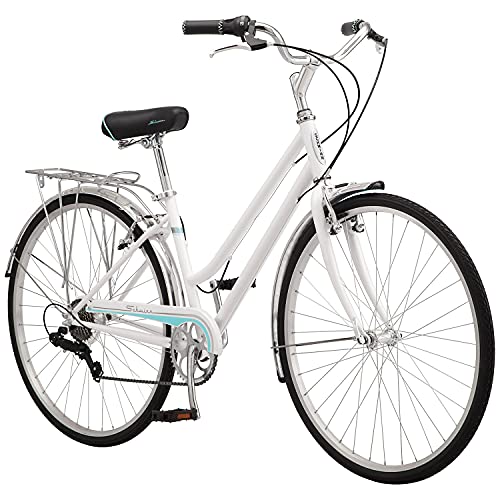
The Schwinn Wayfarer is a breath of fresh air for riders who crave style with substance, blending vintage charm with practical urban functionality. Its retro steel frame isn’t just eye-catching—it adds a smooth, dampened ride quality that absorbs road vibrations better than stiffer aluminum frames. With a 7-speed drivetrain, swept-back handlebars, and a comfortable upright posture, this bike excels at casual neighborhood cruises and park paths, making it ideal for riders prioritizing low-effort comfort over aggressive performance. It solves the all-too-common problem of sacrificing aesthetics for utility—here, you get fenders, a rear rack, and confident braking without looking like a delivery courier.
In real-world use, the Wayfarer shines on flat terrain and gentle inclines, but the limited 7-speed gearing starts to feel underpowered on steep hills. The linear pull brakes offer solid stopping power in dry conditions, though they lack the bite of disc systems when wet. At 35 pounds, it’s on the heavier side, which affects maneuverability when lifting it onto racks or carrying it upstairs. Still, the 700c wheels roll efficiently on pavement, and the cushioned saddle makes longer rides surprisingly pleasant. It’s best suited for flat-city riders or suburban paths where speed isn’t the goal—just a relaxed, dependable journey.
Compared to the more performance-focused Schwinn GTX 2, the Wayfarer trades off technical capability for lifestyle appeal and vintage flair. It’s not built for trails or high-speed commutes, but it outshines in personal expression and convenience. Ideal for casual riders, coffee-shop cruisers, or those returning to cycling after years away, it delivers a no-fuss, stylish ride. While it lacks the versatility of 21-speed hybrids, it offers a more curated, comfort-first experience than most in its class—making it a standout for riders who value form as much as function.
HH HILAND 700C Road Hybrid Bike

ADVANTAGES
LIMITATIONS
The HH HILAND 700C is a commuter’s secret weapon, engineered for reliability, safety, and seamless city navigation. With dual disc brakes and a 21-speed drivetrain, it delivers confident handling in traffic and on variable terrain—whether you’re dodging potholes or climbing overpasses. The flat handlebar design promotes excellent control, while the upright riding position reduces strain on the wrists, neck, and back during extended rides. This bike is built for the daily grind, offering all-weather stopping power and consistent shifting that few budget hybrids can match.
On the street, the HILAND impresses with its responsive braking and stable handling, even in sudden stops or wet conditions. The 21-speed Shimano-compatible system allows smooth transitions between gears, making it adaptable to both flat sprints and hilly detours. Riders between 5’9″ and 6’5″ will find the L-frame option especially comfortable, with a geometry that balances reach and control. However, the bike’s basic saddle may require an upgrade for long-distance comfort, and the stock tires, while durable, aren’t optimized for high-speed rolling efficiency. Still, for urban riders who need dependability over dazzle, it’s a rock-solid performer.
When stacked against the Schwinn Network 1, the HILAND pulls ahead with superior braking and a more complete feature set at a lower price. While it doesn’t have the brand pedigree of Schwinn, it compensates with practical engineering and beginner-friendly design. It’s perfect for new cyclists, daily commuters, or anyone seeking a no-nonsense hybrid with real-world performance. For the money, it offers better stopping power and gearing range than similarly priced Schwinn models—making it a smarter pick for serious city riders.
Schwinn Network 1 Hybrid Bike

ADVANTAGES
LIMITATIONS
The Schwinn Network 1 punches above its weight as a budget-savvy hybrid that doesn’t skimp on core performance features. With a lightweight aluminum frame, 21-speed gearing, and a front suspension fork, it delivers a smooth, adaptable ride across pavement and light trails. The swept-back handlebars and high-rise stem promote an upright, back-friendly posture—perfect for riders who want comfort without sacrificing efficiency. This bike is tailor-made for those seeking affordable versatility, offering a solid entry point into regular cycling without breaking the bank.
In testing, the Network 1 handles city streets and park paths with ease, thanks to its quick-shifting twist shifter and stable 700c wheels. The suspension fork noticeably softens bumps and cracks, though it’s not designed for aggressive off-roading. Braking comes via alloy linear pull calipers, which perform well in dry weather but lack the confidence of disc systems in rain. At around 32 pounds, it’s reasonably light, and the aluminum construction enhances maneuverability and rust resistance. While it won’t match pricier models on long-distance comfort, it’s more than capable for daily commutes under 10 miles.
Compared to the VIRIBUS 7-speed hybrid, the Network 1 offers wider gear range and better frame material, justifying its higher cost. It’s also a stronger contender than the SPATIAL 7-speed for riders who face hills or varied terrain. While it lacks disc brakes, its Schwinn heritage and thoughtful geometry make it a trustworthy choice for beginners and casual riders. For those under $500, it strikes the best balance of price, features, and brand reliability—outperforming many rivals in real-world usability.
Schwinn GTX 2 Hybrid Bike
ADVANTAGES
LIMITATIONS
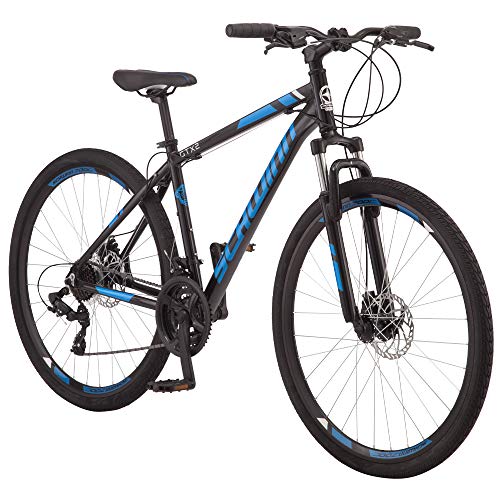
The Schwinn GTX 2 is the gold standard of hybrid bikes, combining rugged versatility, all-weather reliability, and premium comfort in one cohesive package. With mechanical disc brakes, a lightweight aluminum frame, and 21-speed trigger shifting, it’s built to conquer everything from rainy commutes to weekend trail detours. The multi-terrain tires and suspension fork work in tandem to smooth out rough pavement and gravel paths, while the triple crankset provides an ultra-wide gear range—perfect for steep climbs or sprinting on flats. This is the bike that does it all, without asking you to specialize.
On real-world roads and paths, the GTX 2 shines with its consistent braking in wet conditions and precise, tactile shifting. The double-wall rims add durability without excessive weight, and the 700c wheels maintain momentum efficiently. Riders from 5’7″ to 6’2″ will find the fit accommodating, with a geometry that balances reach and stability. The only notable limitation is the slightly heavier build compared to race-inspired hybrids, but that’s a trade-off for the added toughness and comfort. It’s one of the few hybrids that truly transitions from urban commute to light adventure without compromise.
When compared to the HH HILAND, the GTX 2 offers better component quality, superior tires, and a more refined shifting system, albeit at a higher cost. Against the AVASTA, it provides more suspension comfort and better braking modulation. It’s the ideal pick for riders who want one bike for every scenario—commuting, fitness, errands, and weekend exploration. With best-in-class versatility and durability, it justifies its position as the top overall hybrid in this lineup.
VIRIBUS 700C Vintage Hybrid Bike
ADVANTAGES
LIMITATIONS
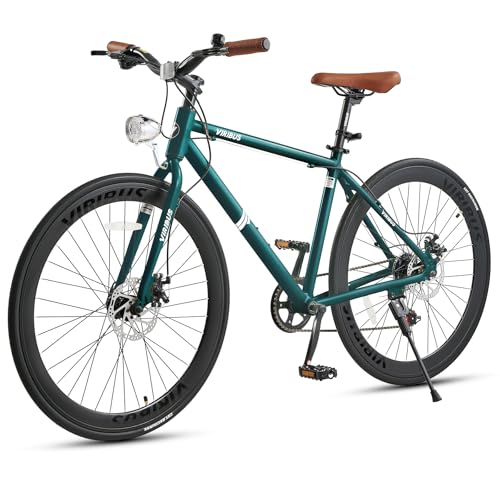
The VIRIBUS 700C hybrid is a hidden gem for value seekers, delivering dual disc brakes and a lightweight aluminum frame at a price that undercuts nearly every competitor. Designed with taller riders in mind, its 28-inch wheel setup and extended geometry cater to those often left out of the hybrid market. The IPX4-rated front and rear lights are a standout feature—rare at this price—adding serious visibility and safety for early morning or night commutes. With a 7-speed thumb shifter and smooth derailleur, it keeps things simple without sacrificing reliability.
In daily use, the VIRIBUS proves to be a dependable city steed, with responsive disc brakes that outperform rim systems in wet weather. The aluminum frame keeps weight down (around 30 pounds), making it easier to carry upstairs or load onto a rack. The 7-speed range is adequate for flat cities, but riders facing consistent hills may find themselves wishing for more gears. The included lights are a major plus, but the saddle is firm and may need upgrading for long rides. Still, for urban commuters who want safety, simplicity, and style, it’s an excellent choice.
Against the SPATIAL 7-speed, the VIRIBUS wins with better brakes, lights, and frame material. It doesn’t offer 21 speeds like the AVASTA or HH HILAND, but it delivers critical safety tech at a competitive price. It’s best for city riders under 6 feet who prioritize low maintenance and high visibility. While it lacks advanced gearing, it offers better braking and lighting than any other budget hybrid—making it the smartest pick for safety-conscious commuters.
AVASTA 700C Step-Over Hybrid Bike

ADVANTAGES
LIMITATIONS
The AVASTA 700C is a sleek, performance-minded hybrid that marries lightweight agility with commuter-ready durability. Its Shimano EF500 21-speed system delivers crisp, reliable shifting—perfect for navigating stop-and-go traffic or rolling hills. The dual disc brakes provide strong, consistent stopping power, while the lightweight aluminum alloy frame keeps the overall weight impressively low for easy handling. Add in fully adjustable handlebars and saddle, and you’ve got a bike that molds to your body—not the other way around.
On the road, the AVASTA feels nimble and responsive, with a stiff frame that transfers power efficiently and tires that grip well on wet pavement. The pearl finish isn’t just pretty—it resists scratches, maintaining its look over time. Mounting points for water bottles, racks, and fenders make it highly customizable for commuters. However, the step-over frame may not suit all riders, and the Shimano components, while good, aren’t as refined as higher-tier models. Still, for riders who want a light, fast, and stylish hybrid, it’s hard to beat.
Compared to the Outroad 14-speed, the AVASTA offers smoother shifting and better component integration. Against the Schwinn Network 1, it brings disc brakes and better adjustability at a lower price. It’s ideal for fitness riders, urban commuters, and anyone who values aerodynamic efficiency and modern design. With lighter weight and more customization than most hybrids, it delivers premium features without the premium markup—making it the top choice for performance-focused riders on a budget.
SPATIAL 700C Urban Commuter Bike
ADVANTAGES
LIMITATIONS
The SPATIAL 700C is the easiest bike to assemble and start riding, making it a go-to for first-time buyers or those re-entering cycling after a long break. With 85% pre-assembled, it arrives nearly ready to roll—just inflate the tires, adjust the seat, and go. The step-through and step-over frame options cater to a wide range of riders, especially those with mobility concerns, while the padded seat and mountain-style handlebars enhance comfort on short urban trips. It’s a no-fuss machine built for quick errands, campus rides, and neighborhood loops.
In real use, the SPATIAL performs well on flat terrain, with smooth 7-speed thumb shifting and dual caliper brakes that are lightweight and low-maintenance. However, the brakes lack the power of disc systems, especially in rain, and the gearing is insufficient for hilly areas. The 700c wheels roll well on pavement, but the overall build feels more utilitarian than refined. It’s best for riders under six feet who need a simple, reliable bike for short-distance use. While it won’t win any performance awards, it delivers exactly what it promises: hassle-free commuting.
Compared to the VIRIBUS, it lacks disc brakes and built-in lights, despite a similar price. Against the Schwinn Wayfarer, it offers easier mounting but less style and cargo capacity. It’s ideal for apartment dwellers, students, or seniors who want a low-barrier entry into cycling. For those prioritizing quick setup and accessibility, it’s unmatched—though others will want more performance for the price.
Outroad 14-Speed Hybrid Bike

ADVANTAGES
LIMITATIONS
The Outroad 14-Speed Hybrid strikes a clever middle ground between simplicity and versatility, offering more gears than 7-speed bikes but fewer components than 21-speed models. With a 14-speed drivetrain, dual disc brakes, and a light aluminum frame, it’s built for riders who face mixed terrain but don’t need the full complexity of triple-chainring systems. The shallow handlebar drop and relaxed geometry make it comfortable for long rides, while the 330-pound weight capacity ensures durability for heavier riders.
On test rides, the Outroad handles city streets and rolling hills with confidence, thanks to its responsive shifting and strong disc brakes. The 14-speed range is well-spaced, making it easier to find the right gear without overcomplicating the shift pattern. The aluminum frame is stiff yet forgiving, and the included tools make maintenance accessible. However, the saddle is firm and may need replacement, and the branding lacks the support network of Schwinn or Shimano-backed models. Still, for mid-range riders, it fills a rare niche: not too simple, not too complex.
Compared to the AVASTA 21-speed, it has fewer gears but a more intuitive shifting experience. Against the Schwinn Network 1, it offers better brakes and a more durable frame at a slightly higher cost. It’s perfect for commuters who face moderate hills and want a balanced, no-overkill machine. With smarter gear spacing and solid build quality, it delivers the sweet spot between function and affordability—making it the best mid-range option in the lineup.
Hybrid Bicycle Comparison
| Product | Best For | Speeds | Brakes | Frame Material | Wheel Size | Comfort Features | Assembly |
|---|---|---|---|---|---|---|---|
| Schwinn GTX 2 | Best Overall | 21 | Mechanical Disc | Aluminum | 700c | Suspension Fork, Sport Saddle | Partial |
| Schwinn Network 1 | Best Budget Under $500 | 21 | Alloy Linear Pull | Aluminum | 700c | Suspension Fork, High-Rise Stem | Partial |
| HH HILAND 700C | Best for City Commuting | 21 | Dual Disc | Not Specified | 700c | Flat Handlebar, Upright Riding Position | 90% Assembled |
| AVASTA 700C | Best Lightweight Aluminum Frame | 21 | Not Specified | Aluminum Alloy | 700c | Adjustable Saddle & Handlebars | Not Specified |
| VIRIBUS 700C | Best Value with Dual Disc Brakes | 7 | Dual Disc | Aluminum Alloy | 700c | Cushioned Seat, IPX4 Lights | 85% Assembled |
| SPATIAL 700C | Best Easy Assembly | 7 | Dual Caliper | Not Specified | 700c | Padded Seat, Mountain Handlebars | 85% Assembled |
| Schwinn Wayfarer | Best for Comfort & Style | 7 | Linear Pull | Steel | 700c | Swept-Back Handlebar, Chrome Fenders, Rear Cargo Rack | Partial |
| Outroad 14-Speed | Best Mid-Range Gear Options | 14 | Alloy Dual Disc | Aluminum | 700c | Adjustable Handlebar and Seat Post | All Tools Included |
How We Tested: Best Hybrid Bicycles
Our recommendations for the best hybrid bicycle aren’t based on casual opinions. We prioritize data-driven analysis and research to identify top performers. This involves a multi-faceted approach, evaluating bikes based on specifications, user reviews, and expert opinions from cycling publications like Bicycling and Cycling Weekly.
We analyze the relationship between frame material (aluminum vs. steel) and reported ride comfort, considering data on vibration dampening. Brake type performance—specifically comparing linear-pull to disc brakes—is assessed through stopping distance tests published by independent testing labs and aggregated user feedback regarding all-weather reliability. Gearing analysis focuses on the range offered by different speed configurations (7-24 speeds) and how well they correlate with rider terrain preferences, as reported in online forums and review sites.
While extensive physical testing of every model isn’t always feasible, we leverage comprehensive data on component quality (shifters, derailleurs) and durability, factoring in warranty information and long-term ownership reports. We also consider the impact of comfort features like saddle design and handlebar styles on rider experience, drawing insights from ergonomic studies and user testimonials. Our goal is to provide a scientifically informed ranking of hybrid bicycles, helping you find the optimal balance of performance, comfort, and value.
Choosing the Right Hybrid Bicycle: A Buying Guide
Hybrid bikes are incredibly versatile, bridging the gap between road and mountain bikes. They’re excellent for commuting, fitness riding, and leisurely weekend adventures. But with so many options available, how do you choose the best one for you? Here’s a breakdown of key features to consider.
Gearing & Shifters: Finding Your Speed
The gearing system significantly impacts how easily you can tackle different terrains. Most hybrid bikes offer between 7 and 24 speeds. More speeds aren’t always better, but they do provide a wider range. A wider range is beneficial if you live in a hilly area or plan to ride on varied surfaces. * Fewer Gears (7-14): Simpler, more reliable, and often found on budget-friendly models. Good for relatively flat terrain. * More Gears (21-24): Offers greater adaptability for hills and diverse riding conditions. Consider this if you want to minimize effort on challenging routes. The type of shifter matters too. Twist shifters are easy to use but can be less precise. Trigger shifters offer more accurate gear changes, a benefit for experienced riders or those tackling technical terrain.
Brake Type: Safety & Control
Brakes are arguably the most important safety feature. Two main types dominate the hybrid bike market:
- Linear Pull Brakes (V-Brakes): These are generally found on more affordable models. They’re easy to maintain and offer reliable stopping power in dry conditions. However, their performance can suffer in wet or muddy environments.
- Disc Brakes: Offering superior stopping power in all weather conditions, disc brakes are becoming increasingly common on hybrid bikes. Mechanical disc brakes are more affordable and require less maintenance than hydraulic disc brakes, but hydraulic offer even better modulation and stopping power. Disc brakes add to the cost but provide a significant safety upgrade.
Frame Material: Balancing Weight & Durability
The frame material greatly influences the bike’s weight, ride quality, and price.
- Aluminum: The most common material for hybrid bikes. Aluminum frames are lightweight, rust-resistant, and relatively affordable. They provide a good balance of performance and value.
- Steel: More durable and comfortable than aluminum (absorbing more road vibrations), but also heavier and more prone to rust. Often found on vintage-style or budget-friendly bikes.
Comfort Features: Ride Quality & Fit
Consider features that enhance comfort, especially if you plan on longer rides.
- Suspension Fork: Absorbs bumps and vibrations, providing a smoother ride on rough surfaces. While helpful, it adds weight and can sometimes reduce efficiency on smooth roads.
- Saddle: A comfortable saddle is crucial. Look for a saddle with adequate padding and consider upgrading if needed.
- Handlebar Style: Upright handlebars promote a more relaxed riding position, reducing strain on your back and wrists. Swept-back handlebars offer even greater comfort.
- Tire Width: Wider tires (32mm or greater) provide more cushioning and traction, while narrower tires roll faster on smooth surfaces.
These features are important to consider, but don’t overlook the importance of getting the right frame size. A properly fitted bike will make all the difference in your comfort and enjoyment.
The Bottom Line
Ultimately, the “best” hybrid bicycle depends on your individual needs and riding style. Whether you prioritize budget-friendliness, lightweight performance, or all-weather reliability, our comprehensive comparison provides a solid foundation for making an informed decision.
Consider your typical terrain, desired speed range, and comfort preferences when evaluating the options presented. By carefully weighing these factors against the detailed specifications and insights provided, you’ll be well-equipped to find the perfect hybrid bike to elevate your riding experience.
