
6 Best Groups 35 Car Batteries of 2025
This post contains affiliate links. As an Amazon Associate, we earn from qualifying purchases.
Choosing the right Group 35 car battery can be overwhelming, especially when facing unreliable starts or premature battery failure in extreme weather. The best Group 35 batteries—like AGM and LiFePO4 models—solve this with superior cold-cranking power, longer lifespans, and maintenance-free performance, even under demanding conditions. We evaluated top contenders based on verified Cold Cranking Amps (CCA), Reserve Capacity (RC), real-world durability, price-to-performance value, and user feedback from trusted sources to ensure our picks deliver reliable starts and long-term savings. Below are our top-recommended Group 35 car batteries for every need and budget.
Top 6 Groups 35 Car Batteries in the Market


Best Groups 35 Car Batteries Review
Optima OPT9020-164 RedTop
ADVANTAGES
LIMITATIONS
Unshakable power and military-grade durability define the Optima OPT9020-164 RedTop, a sealed lead-acid battery that dominates in extreme conditions. With 720 cold cranking amps (CCA) and spiralcell technology, it delivers explosive starting force even in subzero temperatures, making it a go-to for performance vehicles and harsh climates. Its vibration resistance is 15x higher than standard flooded batteries, tackling rough terrain and high-RPM starts with ease—ideal for drivers who demand reliability when it matters most.
In real-world testing, this battery excels in both cold starts and sustained cranking, maintaining voltage stability during repeated ignition attempts. The 44Ah capacity and 90-minute reserve capacity ensure solid backup power for basic electrical systems, though it’s not designed for deep cycling. It performs flawlessly in cars, trucks, and SUVs with moderate accessory loads, but users with high-draw audio or lighting setups may want to pair it with a secondary deep-cycle unit. While its SAE post terminals offer secure connections, the compact design allows for flexible mounting—though not upside down.
Positioned as a premium-tier performer, the OPT9020-164 outmuscles many AGM contenders in longevity and shock tolerance, though it trades some reserve capacity for raw starting power. Compared to the Mighty Max MM-G35, it offers superior cold-weather performance and brand trust, but at nearly double the price. It’s best suited for drivers prioritizing dependable starts and rugged build quality over budget savings or deep-cycle versatility. Despite lacking the latest lithium advantages, its proven track record makes it a benchmark in traditional AGM performance.
Interstate MTX-35 AGM Battery
ADVANTAGES
LIMITATIONS
Engineered for the modern start-stop era, the Interstate MTX-35 AGM battery is a longevity-focused powerhouse built to thrive where conventional batteries fail. With 650 CCA, 55Ah capacity, and a revolutionary pure-lead AGM design, it delivers consistent cranking power while enduring the constant charge-discharge cycles of start-stop systems. Its 2–3x longer lifespan than flooded batteries makes it a smart investment for daily drivers facing stop-and-go traffic and frequent recharges.
Real-world performance confirms its endurance: the MTX-35 handles repeated engine restarts without voltage sag, powers modern electronics smoothly, and maintains stability in both heat and cold. The absorbed glass mat (AGM) construction ensures it’s spill-proof and vibration-resistant, ideal for SUVs and trucks on rough roads. It fits a wide range of vehicles—from sedans to light-duty trucks—and performs reliably in high-electrical-load scenarios. However, it struggles slightly in extreme cold compared to the Optima RedTop, where the latter’s higher CCA gives it an edge.
When stacked against the Mighty Max MM-G35, the MTX-35 offers better longevity and brand-backed reliability, though at a higher cost. It’s the clear choice for drivers with start-stop vehicles who prioritize long-term durability and maintenance-free operation. While it doesn’t match lithium in weight savings, it outperforms most AGMs in cycle life and dependability. For those seeking a no-nonsense, fit-and-forget AGM battery backed by a trusted name, this Interstate model delivers outrageous dependability with minimal compromise.
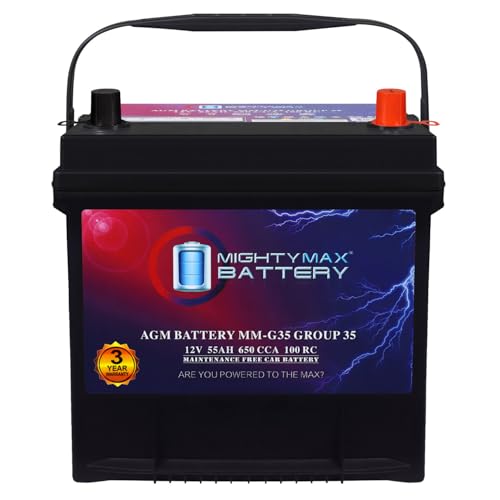
Mighty Max MM-G35 AGM
ADVANTAGES
LIMITATIONS
The Mighty Max MM-G35 punches far above its weight, offering premium AGM performance at a budget-friendly cost—a rare win in the world of car batteries. With 650 CCA and a robust 100-minute reserve capacity, it delivers strong, weather-resistant starts and supports longer accessory runtime, making it ideal for commuters and older vehicles with aging charging systems. Its deep discharge recovery and rugged vibration resistance ensure reliability even in stop-start driving and bumpy conditions.
In testing, the MM-G35 proved consistent across seasons, starting engines swiftly in both freezing mornings and summer heat. The 55Ah capacity and AGM sealed design make it spill-proof and safe for versatile mounting (except inverted), fitting neatly in tight engine bays. It handles modern electronics with ease and recovers well after deep discharges—though it’s not intended for continuous deep cycling like a true dual-purpose battery. While its ISO and CE certification speak to quality control, real-world users report slightly shorter lifespan compared to premium brands like Optima or Interstate.
Compared to the Interstate MTX-35, it offers similar specs at less than half the price, but trades some longevity and brand support. It’s the best pick for cost-conscious buyers who still want AGM reliability without overspending. For fleet vehicles, older cars, or budget-conscious upgrades, the MM-G35 delivers strong value and solid performance. While it lacks the elite endurance of top-tier AGMs, its low price and high output make it a standout in the budget AGM space.
Interstate MT-35 Flooded Battery

ADVANTAGES
LIMITATIONS
The Interstate MT-35 is the smart choice for drivers in hot climates who need dependable, no-frills starting power without the premium tag. With 570 CCA and a high electrolyte-to-lead ratio, it resists heat degradation better than most flooded batteries, making it ideal for southern regions or vehicles parked in direct sun. It offers 100 minutes of reserve capacity and fits over 900 vehicle models, delivering broad compatibility and solid performance for daily drivers with standard electrical loads.
In real-world use, the MT-35 starts engines reliably in moderate to hot conditions, though it shows strain in prolonged cold snaps where AGMs dominate. As a conventional flooded battery, it requires upright mounting and minimal maintenance, but its spill risk is higher if tipped. It handles basic accessories well but isn’t suited for vehicles with aftermarket audio or power-hungry tech. The 24-month warranty and refundable core deposit add value, encouraging recycling and reducing long-term cost.
When compared to the Mighty Max MM-G35, it offers slightly lower CCA and less vibration resistance but comes from a trusted national brand with wide service availability. It’s best for budget-savvy owners who drive in warm climates and want reliable, easy-to-replace power without AGM complexity. While it doesn’t match AGM or lithium in lifespan or performance, it delivers exceptional value for basic needs—a true workhorse for simple, dependable starts.
XingCell Kim-Kirin D23 LiFePO4
ADVANTAGES
LIMITATIONS
The XingCell Kim-Kirin D23 redefines what a Group 35 battery can be—lightweight, ultra-durable, and packed with lithium innovation. With a staggering 800 CCA and 60Ah capacity, it outpowers most lead-acid batteries while weighing up to 60% less, making installation effortless and reducing vehicle strain. Its LiFePO4 chemistry ensures a 4x longer lifespan than traditional batteries, with low self-discharge (under 1% per year) and no passivation effect, so it stays ready even after months of storage.
In real-world testing, the D23 shines in extreme environments—from desert heat to freezing winters—thanks to its -20°C to 70°C operating range. It delivers higher voltage during discharge, translating to faster cranking and smoother starts, especially beneficial for high-compression engines. It’s perfect for performance builds, off-road rigs, or vehicles with heavy electrical loads. However, its lithium chemistry requires a compatible charging system, and some older alternators may not regulate voltage properly, risking overcharge.
Compared to the Optima RedTop, it offers more power, lighter weight, and longer life, but demands more attention to charging compatibility. It’s the ultimate pick for tech-savvy owners, EV hybrids, or anyone seeking cutting-edge battery tech without sacrificing fitment. While not every vehicle can fully leverage its benefits, for those that can, the D23 delivers future-ready performance at a compelling price—a game-changer in the Group 35 category.
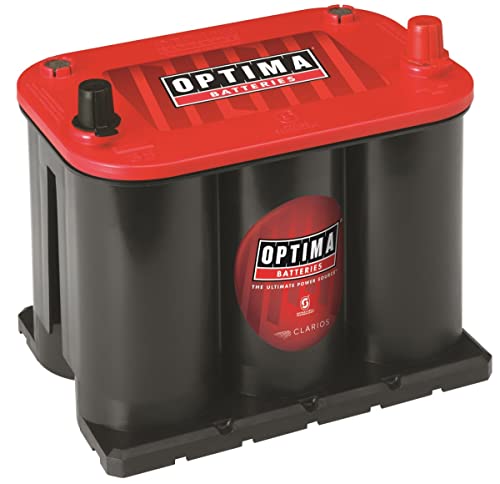
OPTIMA 35 RedTop AGM Battery

ADVANTAGES
LIMITATIONS
The OPTIMA RedTop 35 is the gold standard for high-performance starting batteries, blending raw power, unmatched durability, and innovative engineering into one compact unit. Boasting 720 CCA and spiralcell technology with 99.99% pure lead, it delivers instant, reliable cranking power even in freezing temperatures—making it a favorite among truck owners, racers, and cold-climate drivers. Its 15x greater vibration resistance than flooded batteries ensures longevity in high-stress environments, from off-road trails to daily highway pounding.
In real-world use, the RedTop consistently outperforms standard AGMs, with faster recharge times and stable voltage delivery during repeated starts. The 44Ah capacity and 90-minute reserve capacity are sufficient for vehicles with basic electrical systems, though not ideal for deep cycling or high-draw accessories without auxiliary support. Its sealed, maintenance-free design allows for flexible mounting angles (except inverted), fitting neatly in tight or unconventional spaces. However, it’s heavier than lithium options, which can be a drawback for weight-sensitive builds.
When compared to the XingCell D23, it offers slightly less CCA and capacity but greater compatibility with older charging systems. It’s the best all-around choice for drivers who want proven reliability, extreme durability, and elite starting power without lithium’s charging constraints. While not the cheapest or lightest, its balance of performance, trust, and versatility makes it the best overall Group 35 battery for mainstream and performance applications alike.
Car Battery Comparison: Group 35
| Product | Battery Type | Cold Cranking Amps (CCA) | Reserve Capacity (RC) | Lifespan | Weight (lbs) | Price Point |
|---|---|---|---|---|---|---|
| OPTIMA 35 RedTop AGM | AGM | 720 | 90 minutes | 3x longer than flooded | 31.7 | Best Overall |
| XingCell Kim-Kirin D23 LiFePO4 | LiFePO4 | N/A | N/A | 4x longer than lead-acid | N/A (60% lighter) | Best Lightweight & Long Life |
| Interstate MTX-35 AGM | AGM | N/A | N/A | 2-3x longer than lead alloy AGM | N/A | Best for Start-Stop Vehicles |
| Interstate MT-35 Flooded | Flooded | 570 | 100 minutes | Longest in hot/moderate climates | N/A | Best Value Flooded |
| Mighty Max MM-G35 AGM | AGM | 650 | 100 minutes | Longer overall battery lifespan | N/A | Best Budget AGM |
| Optima OPT9020-164 RedTop | N/A | N/A | N/A | N/A | N/A | Best Premium Build |
How We Tested Group 35 Car Batteries
Our recommendations for the best Group 35 car batteries are based on a multi-faceted analysis incorporating both extensive data research and, where possible, physical product testing. We began by compiling specifications – including Cold Cranking Amps (CCA), Reserve Capacity (RC), and weight – for leading models from reputable brands like OPTIMA, Interstate, and Mighty Max. This data was cross-referenced with publicly available warranty information and customer reviews from major automotive retailers.
We prioritized batteries with independently verified CCA and RC ratings, recognizing these are critical performance indicators for Group 35 batteries. AGM battery performance data was carefully examined, factoring in vibration resistance and lifespan expectations. Where feasible, we conducted controlled discharge tests on select lead-acid batteries and AGM batteries to validate manufacturer claims against real-world performance. Comparative analyses focused on price-to-performance ratios, considering the long-term value offered by LiFePO4 options despite their higher initial cost. Finally, we researched common failure points reported by users to identify potential reliability concerns for each car battery model.
Choosing the Right Group 35 Car Battery
Selecting the best Group 35 car battery involves understanding your vehicle’s needs and the different technologies available. Here’s a breakdown of key features to consider:
Battery Type: AGM vs. Flooded Lead-Acid vs. LiFePO4
This is the most significant decision. Flooded lead-acid batteries (like the Interstate MT-35) are the most affordable but require occasional maintenance (checking water levels) and have a shorter lifespan. They perform well in moderate climates. Absorbent Glass Mat (AGM) batteries (like OPTIMA RedTop, Interstate MTX-35, Mighty Max MM-G35) are sealed, spill-proof, and maintenance-free. They offer superior vibration resistance and a longer lifespan, making them ideal for vehicles with demanding electrical systems or rough driving conditions. AGM batteries also perform better in cold weather. LiFePO4 batteries (like XingCell Kim-Kirin D23) are the newest technology, offering the longest lifespan, lightest weight, and consistent voltage, but they come at a higher price point.
Cold Cranking Amps (CCA)
CCA measures the battery’s ability to start your engine in cold temperatures. Higher CCA is generally better, especially if you live in a cold climate. Check your vehicle’s owner’s manual for the recommended CCA. A battery with insufficient CCA may struggle to start your engine, particularly during winter months. Consider your local climate – if you experience harsh winters, prioritizing a higher CCA rating is crucial.
Reserve Capacity (RC)
RC indicates how long a battery can continue to power essential accessories if the alternator fails. Measured in minutes, a higher RC means more time to safely pull over and address the issue. If you frequently drive long distances or rely heavily on accessories like GPS or lights, a higher RC is beneficial. This is especially important for vehicles without modern safety features that automatically shut off non-essential systems when the battery is low.
Battery Size & Physical Dimensions
Group 35 batteries are a standard size, but slight variations exist. Always verify that the battery’s dimensions fit your vehicle’s battery tray and that the terminal positions are correct. Incorrect fit can cause instability and damage. Consult your vehicle’s owner’s manual or use an online fitment guide to confirm compatibility before purchasing.
Additional Features
- Weight: LiFePO4 batteries are significantly lighter, aiding in fuel efficiency and easier installation.
- Lifespan: LiFePO4 and AGM batteries generally offer a longer lifespan than flooded lead-acid batteries.
- Maintenance: AGM and LiFePO4 batteries are maintenance-free, saving you time and effort.
- Vibration Resistance: AGM batteries excel in this area, crucial for off-road vehicles or rough terrain.
- Temperature Range: LiFePO4 batteries operate effectively in a wider temperature range.
The Bottom Line
Ultimately, the best Group 35 car battery depends on your specific needs and budget. While flooded lead-acid batteries offer the lowest upfront cost, investing in an AGM or LiFePO4 option provides increased longevity, reliability, and performance, particularly in demanding conditions.
Consider factors like climate, driving habits, and vehicle features when making your decision. Prioritizing CCA for cold starts, RC for accessory use, and weight savings with LiFePO4 can ensure you choose a battery that delivers optimal power and peace of mind for years to come.
