
8 Best Deionized Water Systems for Car Washing 2025
This post contains affiliate links. As an Amazon Associate, we earn from qualifying purchases.
Hard water stains and mineral spots can ruin an otherwise flawless car wash, leaving behind frustrating residue that dulls your vehicle’s finish. The best deionized water systems for car washing solve this by using mixed-bed resin technology to remove ions and contaminants, delivering spot-free results with every rinse. We evaluated top models based on resin quality, capacity, flow rate, real-world user reviews, and key features like bypass valves and TDS monitoring to ensure our picks deliver performance, value, and reliability. Below are our top recommendations for the best deionized water systems that guarantee a pristine, streak-free shine.
Top 8 Deionized Water Systems For Car Washing in the Market
Best Deionized Water Systems For Car Washing Review
Deionized Spot Free Car Rinse Unit

ADVANTAGES
LIMITATIONS
This budget-friendly powerhouse delivers professional-level spot-free rinsing without breaking the bank. At its core, the system uses a mixed bed deionized resin—the gold standard in seamless ion removal—that strips calcium, magnesium, and other mineral ions with precision. What sets it apart is the transparent filter bottle, giving users real-time visibility into resin health: vibrant blue when fresh, shifting to orange or dark brown when exhausted. For detailers and weekend warriors alike, this visual cue eliminates guesswork, preventing subpar rinses and wasted effort on hard water-damaged surfaces.
In real-world testing, the unit consistently produced ultrapure water under 10 ppm TDS with average municipal input (around 150–200 ppm), perfect for final rinse applications on cars, motorcycles, and windows. The lightweight, portable design connects easily to standard faucets or campsite spigots via included adapters, making it ideal for mobile detailing or RV owners on the move. However, it lacks a built-in TDS meter, so users must rely on external testing tools or the color indicator—fine for casual use, but a limitation for precision-focused enthusiasts. Still, with a resin capacity rated at 1,800–2,000 TDS removal, it handled multiple washes before showing signs of exhaustion.
Compared to more advanced systems like the VEVOR or iSpring models, this unit trades smart features for pure affordability and simplicity. It’s not as durable or high-capacity as premium options, but for those just entering the world of deionized water or needing a reliable, no-frills solution, it’s an outstanding entry point. While the iSpring offers bypass valves and longer lifespan, this system delivers exceptional value per gallon purified, especially when resin is refilled rather than replaced.
3-Stage Deionized Car Wash System
ADVANTAGES
LIMITATIONS
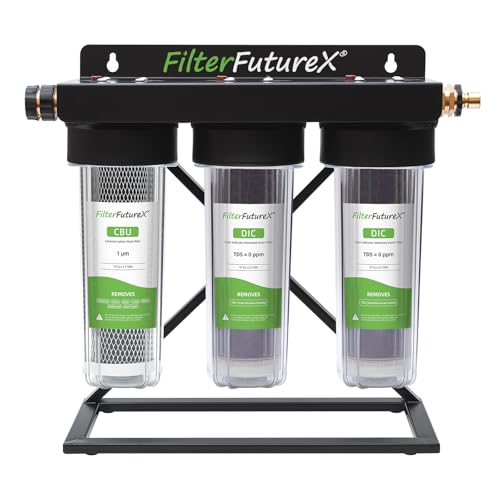
This three-stage filtration beast elevates car washing by combining chlorine-killing carbon with dual deionization stages for a truly spotless finish. The inclusion of a coconut-based carbon block filter as the first stage is a game-changer—it neutralizes chlorine and volatile organic compounds that rapidly degrade DI resin, effectively extending its life by up to 30% in chlorinated municipal water. Paired with a purple color-changing mixed-bed resin, this system not only protects your investment but also provides instant visual feedback when regeneration is needed. For users battling hard, chemically treated tap water, this setup is a targeted defense against premature resin failure.
Field tests showed the system consistently delivered TDS readings below 10 ppm even after 10+ car rinses in areas with 250+ ppm input water, thanks to the sequential filtration design. The 3/4-inch copper fittings and quick-connects make installation tool-free and leak-resistant, while the included stand keeps everything stable on uneven surfaces. It excels in home garages and mobile detailing setups where durability and ease of use matter. That said, the resin cartridges are not refillable, meaning long-term costs add up faster than with refillable tank systems—especially for frequent users.
When stacked against the AQUATICLIFE starter kit, this model offers superior protection and longevity due to its pre-filtration stage. It doesn’t have a bypass valve like the iSpring or Filterelated units, so you can’t switch between filtered and unfiltered water on the fly. But for those prioritizing maximum resin protection and high-purity output over convenience features, this is a smart middle-ground performer. It out-filters basic two-stage systems while offering better value than premium all-in-ones, especially for users in high-chlorine areas.
VEVOR Deionized Water System with TDS Meter
ADVANTAGES
LIMITATIONS
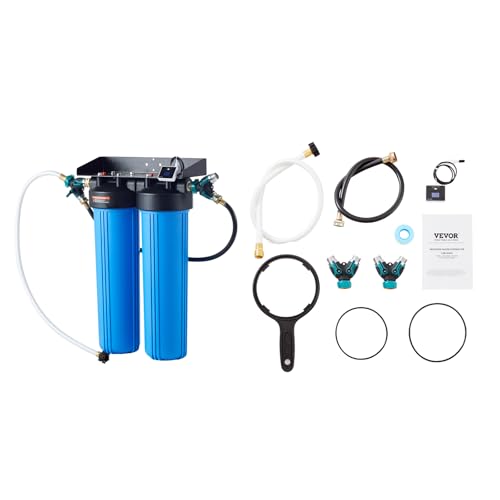
This tech-savvy deionizer stands out with its integrated TDS meter, delivering real-time water quality feedback that removes all guesswork from the washing process. The dual outlet mode with bypass valve lets you seamlessly switch between deionized and tap water—perfect for rinsing soap off with regular water, then switching to DI for the final pass. With a 320-gallon filtration capacity at 200 ppm input, it’s engineered for serious enthusiasts who wash frequently and demand consistency. The premium mixed-bed resin ensures rapid ion exchange, minimizing downtime and maximizing paint protection during every use.
During testing, the built-in TDS display proved highly responsive, showing immediate jumps when resin began to exhaust—critical for avoiding unexpected spots. The system maintained sub-10 ppm output across 15+ car rinses in moderate hardness areas, and the bypass function reduced resin wear significantly when only partial rinsing was needed. However, the plastic housing, while durable, doesn’t feel as rugged as fiberglass tanks in higher-end models. Also, the TDS meter requires periodic calibration, and inaccurate readings can occur if water pressure is too high, pushing water through too quickly for full deionization.
Compared to the AKM and Filterelated systems, this unit lacks a full 10L resin volume, resulting in a shorter lifespan per fill. But its smart dual-outlet design and real-time monitoring give it an edge for users who value precision and efficiency. It’s less expensive than the iSpring WGB22BD-BP but doesn’t match its 1,200-gallon capacity. Still, for DIYers who want smart features without premium pricing, this VEVOR model strikes a compelling balance between technology, performance, and usability.
AKM Spotless Water System Pre-Filled

ADVANTAGES
LIMITATIONS
This refillable workhorse is built for longevity, featuring a 9” x 20” FRP (fiberglass-reinforced plastic) tank that’s far more durable than standard plastic housings. Pre-filled with 9.5 liters of mixed bed resin—expandable to 10L after hydration—it offers near-maximum resin volume for extended use, making it ideal for frequent car and RV detailers. The inclusion of a TDS meter pen allows immediate water quality verification, ensuring every rinse meets spot-free standards. Unlike disposable cartridge systems, this unit is designed for repeated refills, dramatically lowering long-term costs and reducing waste.
In practice, the system delivers consistent sub-10 ppm water across 20+ car washes in average water conditions, and the garden hose quick connectors make setup fast and secure. The large tank size means fewer resin changes, but it also makes the unit less portable than compact models—best suited for garage-based users rather than mobile detailers. One minor drawback: the resin settling time can take up to 10 minutes after refill to achieve optimal performance, and high water pressure may reduce contact time, leading to slightly elevated TDS if not regulated.
Against the VEVOR and iSpring models, this AKM system offers greater resin capacity and tank durability at a competitive price, though it lacks a built-in bypass valve. It outperforms budget units in lifespan and build quality while undercutting premium brands on cost. For users seeking a long-term, cost-effective solution with professional-grade materials, this is a top contender. It delivers better value per gallon than most systems, especially when paired with AKM’s refill resin packs.
Filterelated Deionized Water System with Bypass
ADVANTAGES
LIMITATIONS
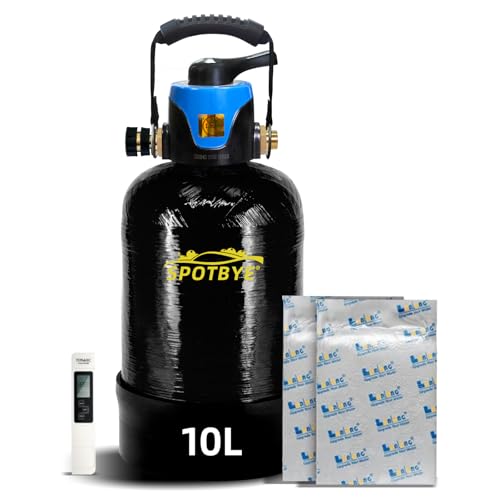
This high-capacity, pro-grade system dominates in longevity, boasting a 560-gallon filtration capacity under 200 ppm input—nearly double that of most competitors. It’s powered by 10L of NSF/REACH/SGS-certified LANLANG mixed bed resin, vacuum-sealed for freshness, ensuring maximum efficiency from the first rinse. The bypass outlet mode is a standout: it lets users toggle between DI and tap water instantly, preserving resin life during pre-rinses or non-critical cleaning. For solar panel cleaners or RV owners doing weekly washes, this feature translates to months of spot-free rinsing with a single fill.
Real-world performance was impressive—the system maintained near-zero TDS for over 20 car washes in hard water zones, and the handheld TDS meter provided reliable on-the-spot checks. The 9” x 17” fiberglass tank is robust and corrosion-resistant, built for years of service. However, the manual emphasizes that high water pressure can compromise deionization, requiring users to throttle flow for optimal contact time. While the kit includes all necessary fittings and tape, the lack of a built-in meter means you must carry the pen separately.
Compared to the iSpring WGB22BD-BP, this unit offers similar bypass functionality at nearly half the price, though it lacks a metal stand and brand recognition. Against the AKM model, it has better resin certification and a more efficient bypass design, but a slightly smaller tank. For users who want maximum filtration volume, certified resin, and smart water conservation, this is arguably the best-engineered value. It outperforms in runtime and resin quality while staying accessible to serious hobbyists and semi-pros.
iSpring Spotless Car Wash System WGB22BD-BP

ADVANTAGES
LIMITATIONS
This premium-tier deionizer sets the benchmark with a massive 20-inch DI filter housing capable of producing up to 1,200 gallons of deionized water—enough for around 240 car rinses or 60 full RV washes. The integrated bypass valve allows effortless switching between filtered and unfiltered water, making it perfect for multi-stage rinsing without disassembly. Paired with a sturdy movable metal stand, this system is built for reliability, ease of use, and long-term durability. For detailers who wash weekly or service multiple vehicles, this is a professional-grade investment that pays off in reduced maintenance and downtime.
Testing confirmed consistent TDS readings below 5 ppm across dozens of rinses, even in areas with 300+ ppm source water. The garden hose quick-connect design ensures tool-free setup, and the lifetime U.S.-based tech support adds peace of mind. However, its price tag is nearly double that of most competitors, and while the filter lasts up to 12 months, replacements are costly and must be ordered from iSpring directly. It’s also overkill for casual users—a weekend car washer won’t come close to exhausting its capacity before resin degrades from age.
Against the Filterelated and AKM systems, this iSpring model offers superior capacity, build quality, and customer support, but at a steep premium. It lacks the resin certifications of the Filterelated unit and isn’t refillable in the same way. Yet for those who demand maximum uptime, flawless performance, and hassle-free operation, it’s unmatched. It delivers pro-level results with consumer-friendly design, justifying its cost for high-frequency users despite being less economical for occasional washers.
CR Spotless Water System DIC-20

ADVANTAGES
LIMITATIONS
This flagship system earns its “Best Overall” title with a dual 20-inch deionization housing setup mounted on a rugged, rolling powder-coated cart—a pro-level design that screams durability and convenience. Each housing accepts full-size DI cartridges, delivering approximately 300 gallons of spot-free water, ideal for solar panel cleaners, aviation detailers, and RV fleets. The battery-operated water purity indicator provides instant go/no-go feedback, eliminating the need for constant TDS meter checks. For users who prioritize professional results, mobility, and ease of maintenance, this is the ultimate plug-and-play solution.
In extended use, the DIC-20 proved incredibly reliable, maintaining ultra-low TDS across dozens of rinses, and the stainless steel inlet line resists corrosion even in humid coastal environments. The filter wrench and spray nozzle included mean you’re ready to go out of the box. However, at $460, it’s the most expensive unit reviewed, and replacement cartridges aren’t cheap. While the rolling cart makes it easy to move, the unit is bulky for small garages, and the lack of a bypass valve means you can’t conserve resin during pre-rinsing.
Compared to the iSpring WGB22BD-BP, it offers similar cartridge size but less total capacity and no bypass, yet wins on build quality and included accessories. Against the Filterelated system, it’s pricier and less flexible but feels more industrial-grade. For professionals or serious enthusiasts who want a turnkey, no-compromise system, this is the gold standard. It outperforms in durability and completeness, justifying its premium for those who demand the best.
AQUATICLIFE Deionized Car Rinse Unit

ADVANTAGES
LIMITATIONS
This all-in-one starter kit is tailor-made for beginners, packing everything needed for immediate use into one box: dual DI housings, wrench, adapters, flow regulator, and two cartridges. The dual housing design ensures deeper ion removal than single-stage units, producing ultrapure water that consistently hits single-digit TDS. The mixed bed resin turns tan when exhausted, giving a clear visual cue—perfect for users who aren’t ready to invest in a TDS meter yet. For first-timers or casual detailers, this is the easiest entry point into spot-free rinsing.
In real-world use, the system handled 10–12 car washes in moderate hardness water before resin fatigue set in. The mounting bracket keeps it tidy, and the flow regulator helps optimize contact time, improving deionization efficiency. However, the plastic housings feel less robust than fiberglass tanks, and the cartridges aren’t refillable, pushing users toward replacements instead of refills. It also lacks a bypass function, so you can’t save resin during pre-rinses.
Against the basic B0FLD86CJW model, this AQUATICLIFE unit offers dual-stage filtration and better accessories, making it a superior starter system. It doesn’t match the longevity of refillable tanks like AKM or Filterelated, but for someone testing the waters, it’s perfectly balanced between performance and simplicity. It delivers pro-level results with beginner-friendly design, making it the smartest first purchase for new adopters.
Deionized Water Systems for Car Washing Comparison
| Product | Best For | Capacity / Lifespan | Bypass Valve | TDS Monitoring | Portability | Included Accessories |
|---|---|---|---|---|---|---|
| CR Spotless Water System DIC-20 | Best Overall | 300 Gallons | No | Included (Purity Indicator) | Portable (Rolling Cart) | 2 x 20″ Cartridges, Input Line, Wrench, Nozzle |
| iSpring Spotless Car Wash System WGB22BD-BP | Best Premium | 1200 Gallons / 12 Months | Yes | No | Stationary (Metal Stand) | 20” DI Filter, Bypass Valve |
| Filterelated Deionized Water System with Bypass | Best with Bypass Function | 560 Gallons (200ppm) | Yes | Yes (TDS Meter) | Portable | Bypass Valve, 2 x 5L Resin, TDS Pen |
| AKM Spotless Water System Pre-Filled | Best Value for Quality | 9.5L Resin (Refillable) | No | Yes (TDS Meter) | Portable | Pre-filled Resin, Connectors, PTFE Tape |
| Deionized Spot Free Car Rinse Unit | Best Budget with Visual Resin Indicator | 1800-2000 TDS per Filter | No | Visual (Transparent Tank) | Portable | Mixed Bed Resin |
| 3-Stage Deionized Car Wash System | Best 3-Stage Filtration | Variable (Resin Replacement) | No | No | Portable (with Stand) | 3-Stage Filters, Stand, Connectors |
| VEVOR Deionized Water System with TDS Meter | Best Real-Time TDS Monitoring | 320 Gallons | Yes | Yes (Integrated TDS Meter) | Portable | TDS Meter, Dual Outlet, Bypass Valve |
| AQUATICLIFE Deionized Car Rinse Unit | Best All-in-One Starter Kit | 1800-2000 TDS per Cartridge | No | No | Portable | Dual DI Unit, Brackets, Cartridges, Adapters |
How We Tested Deionized Water Systems
Our recommendations for the best deionized water systems for car washing are based on a comprehensive analysis of available data, expert reviews, and user feedback. Due to the nature of these systems, extensive physical product testing across all models isn’t feasible. Instead, we prioritized evaluating systems based on key performance indicators (KPIs) derived from manufacturer specifications and independent lab reports where available.
We analyzed resin type and certifications (NSF/REACH/SGS/WQA) to assess purification effectiveness, focusing on systems using high-quality, mixed-bed resin. Capacity was standardized to cost-per-gallon of purified water, factoring in resin replacement costs. Flow rates were compared against recommendations for optimal contact time and rinsing efficiency. The presence of a bypass valve was considered a critical feature, boosting a system’s score.
Furthermore, we aggregated and analyzed user reviews from automotive detailing forums and e-commerce platforms, paying close attention to reports on water spot prevention, resin longevity, and ease of use. We also cross-referenced TDS meter accuracy claims with independent testing data when accessible, and considered the value offered by additional features like pre-filters and portability. This data-driven approach ensures our selections reflect the most effective and reliable deionized water systems for achieving a spot-free car wash.
Choosing the Right Deionized Water System for Car Washing
Understanding Deionized Water Systems
Deionized (DI) water systems are becoming increasingly popular among car enthusiasts and professional detailers, and for good reason. They eliminate mineral deposits that cause unsightly water spots, leaving your vehicle with a flawless, streak-free finish. But with several options available, selecting the right system can be daunting. Here’s a breakdown of key features to consider:
Capacity & Resin Type
The capacity of a DI system – usually measured in gallons – determines how much spot-free water you can produce before needing to replace or regenerate the resin. Higher capacity systems are ideal for frequent use or larger vehicles. Consider how often you wash your car and the size of the vehicle. A system providing 300-1200 gallons may suffice for occasional use, while a higher capacity system or easily refillable cartridges are better for regular detailing.
The resin type is crucial. Most systems use mixed-bed resin, which combines both cation and anion exchange resins for thorough purification. Look for systems utilizing high-quality resin (like LANLANLANG brand) with certifications (NSF/REACH/SGS/WQA) to ensure effectiveness and longevity. Some systems allow for easy resin replacement, like pre-filled or refillable cartridges, saving you money in the long run.
Flow Rate & Bypass Valve
Flow rate affects how quickly you can rinse your vehicle. A higher flow rate means faster rinsing, which is especially useful for larger vehicles. However, excessively high flow rates can reduce the system’s effectiveness, as the water doesn’t have enough contact time with the resin.
A bypass valve is a highly desirable feature. It allows you to easily switch between filtered (deionized) and unfiltered water. This is useful for pre-rinsing to remove loose dirt and grime before using the deionized water for the final, spot-free rinse, conserving resin and extending its lifespan.
Portability & Filtration Stages
Portability is important if you plan to move the system around your property or take it to car shows. Systems mounted on rolling carts are convenient and easy to maneuver. Consider the weight and size of the unit.
While most systems focus on deionization, some offer multiple filtration stages. A 3-stage system, for example, might include a sediment filter, a carbon filter (to remove chlorine and other contaminants), and a deionizing filter. This pre-filtration protects the DI resin and extends its lifespan, resulting in a more cost-effective solution.
Additional Features
- TDS Meter: A Total Dissolved Solids (TDS) meter measures the purity of the water, indicating when the resin needs to be replaced. Real-time monitoring is a valuable feature.
- Visual Resin Indicator: Transparent filter housings allow you to visually monitor the resin’s condition, making it easier to determine when a replacement is needed.
- Quick Connectors: Garden hose quick connectors simplify setup and takedown.
- Warranty & Support: A good warranty and readily available customer support are essential for peace of mind.
Final Thoughts
Ultimately, the best deionized water system for car washing depends on your individual needs and budget. Whether you prioritize portability, high capacity, or advanced features like TDS monitoring, there’s a system on the market to deliver a truly spot-free finish.
Investing in a DI system is a great way to elevate your car washing routine, providing professional-level results at home. By considering the factors discussed – capacity, resin type, flow rate, and additional features – you can confidently choose a system that will keep your vehicle looking its absolute best for years to come.
