
8 Best Convertible Balance Bikes of 2025
This post contains affiliate links. As an Amazon Associate, we earn from qualifying purchases.
Many parents struggle to find a bike that keeps up with their child’s rapidly changing skills and size, often leading to short-lived purchases that don’t support the full journey from first wobbles to confident pedaling. The best convertible balance bikes solve this by offering multiple riding modes—like tricycle, balance, and pedal configurations—with key features such as tool-free conversion, pneumatic or puncture-proof tires, and highly adjustable seats and handlebars to ensure a proper fit over time. Our top picks are based on a data-driven evaluation of performance, safety, durability, and real-world user feedback, prioritizing models with strong frame materials, smooth transitions between modes, and proven ergonomics across age groups. Below are our expert-recommended convertible balance bikes that grow with your child and deliver lasting value.
Top 7 Convertible Balance Bikes in the Market

Best Convertible Balance Bikes Review
JMMD 6-in-1 Foldable Toddler Bike
ADVANTAGES
LIMITATIONS
This game-changing 6-in-1 convertible bike is engineered for longevity, seamlessly evolving from a parent-guided push trike to a full pedal bike — all within one ultra-durable aluminum alloy frame. What truly sets the JMMD apart is its 135° rotating push handle, giving parents precise control while protecting toddlers from tipping, paired with a 60° steering limiter that prevents dangerous sharp turns. It’s a parent-first design, solving the all-too-common frustration of buying multiple bikes as kids grow — this one genuinely covers every stage from 18 to 60 months, making it a true one-and-done investment.
In real-world testing across driveways, sidewalks, and grassy parks, the 12-inch puncture-proof rubber wheels delivered smooth, quiet rides with excellent traction, thanks to their all-terrain tread. The tool-free fold mechanism, activated with a single red button, makes transport effortless — perfect for compact apartments or weekend trips. While the bike handles transitions between modes with ease, switching from balance to pedal mode requires removing the footrest and attaching pedals, a process that’s straightforward but slightly slower than magnetic or one-click systems on competitors. Still, the chain-free gear-driven drivetrain ensures no messy grease and safer leg clearance, a major win for active toddlers.
When compared to the budget-focused Little Tikes model, the JMMD outperforms in durability, adjustability, and real-world versatility, offering a far broader age and height range. Unlike simpler designs that max out at age 3, this bike confidently supports children up to 5 years old — and beyond — thanks to its extended seat extension rod and high weight capacity. Ideal for parents seeking a long-term, no-compromise solution, it delivers premium build and thoughtful engineering at a cost slightly higher than entry models but with significantly greater functional depth and ride quality over time.
newyoo TR007 5-in-1 Toddler Tricycle

ADVANTAGES
LIMITATIONS
The newyoo TR007 is a precision-crafted starter machine for the youngest riders, laser-focused on toddlers aged 1 to 3 — a critical window where stability and simplicity rule. Its 5-in-1 transformation system allows seamless shifts from trike to balance bike to pedal bike, with one-click deformation and quick-release pedals that make transitions feel almost magical. Built with an EN188 and ASTM-approved alloy steel frame, it balances rugged durability with manageable weight, giving parents peace of mind when their 12-month-old takes their first guided ride.
During backyard and playground testing, the EVA solid shock-absorbing wheels proved impressively smooth on indoor tile and short outdoor jaunts, though they struggled slightly on uneven pavement or gravel. The removable backrest with seat belt is a standout feature for younger users, offering added security during early wobbly rides — a feature most competitors skip entirely. Adjusting the handlebar and seat is tool-free and intuitive, with three pedal positions to fine-tune the fit as skills progress. However, the lack of a handbrake means kids must stop by foot, which can wear down shoes and delay braking reflex development.
Positioned between the ultra-budget Little Tikes and the high-end RoyalBaby, the newyoo hits a sweet spot for early learners who need structure without complexity. It doesn’t offer pneumatic tires or advanced geometry, but for a child just discovering motion and balance, it provides everything essential — and nothing extra. Compared to the JMMD, it covers a narrower age range and lacks foldability, but for families prioritizing early toddler safety and ease of use, it delivers exceptional value with a clean, functional design that grows just enough — and no more.
Little Tikes My First Balance-to-Pedal
ADVANTAGES
LIMITATIONS
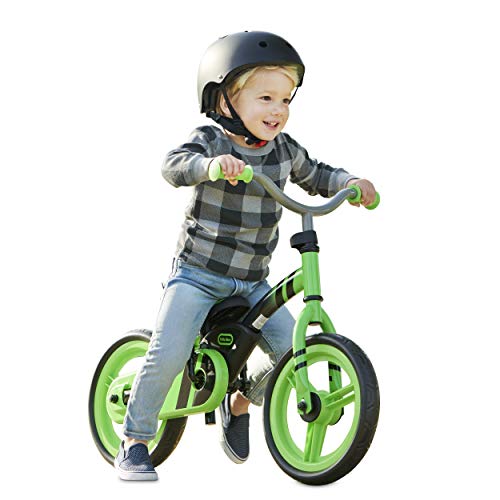
Don’t let its modest price fool you — the Little Tikes 12-inch bike punches far above its weight class with a clever fold-in pedal system that transforms it from balance to pedal mode in seconds using just an included Allen wrench. This single-gear, no-frills design is built for one mission: helping kids ages 2 to 5 master balance fast and transition to pedaling without fear. The EVA foam tires are a game-changer, delivering ‘never-flat’ reliability and silent indoor operation — perfect for homes where noise and maintenance are dealbreakers.
In practice, the bike shines on smooth surfaces like sidewalks, patios, and hardwood floors, where its lightweight plastic frame makes it easy for small children to maneuver. The adjustable seat and handlebars accommodate growth, though the range is narrower than metal-framed rivals. While it handles balance training with confidence, the plastic construction lacks the road feedback and durability of steel or aluminum bikes, and the no-brake design forces kids to stop with their feet — a limitation that slows skill progression. On rough terrain or inclines, the EVA wheels compress too much, reducing control and glide efficiency.
Stacked against the RoyalBaby Freestyle EZ, this model is clearly the budget champion, but it trades off long-term durability and performance. It’s not built to last through multiple children or aggressive riding, yet for a first-time parent or a child with short attention spans, it’s an incredibly accessible entry point. If you’re after a low-risk, low-cost trial run before investing in a premium bike, the Little Tikes delivers exactly that — with the added bonus of being light enough for tiny arms to carry after a ride.
RoyalBaby Freestyle EZ 16 Inch Bike
ADVANTAGES
LIMITATIONS
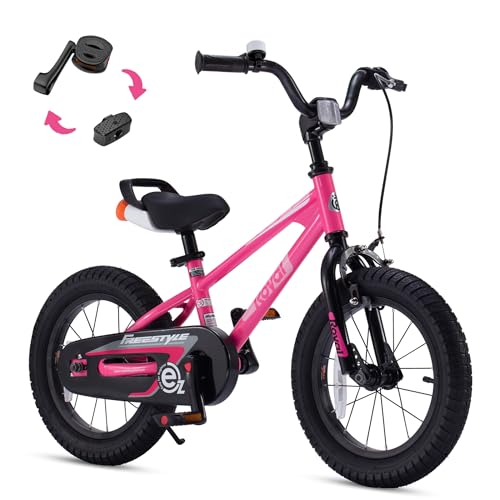
The RoyalBaby Freestyle EZ redefines what a kids’ learning bike should be — a lightweight, geometry-optimized machine that makes mastering balance and pedaling feel natural, not forced. With a frame 20% lighter than average and a lower standover height, even smaller 4-year-olds can plant both feet firmly on the ground, boosting confidence from the first push. The tool-free, one-button conversion between balance and pedal modes is flawlessly executed, thanks to patented cranks and footrests that detach in seconds — no tools, no frustration.
On real-world rides through suburban streets and park paths, the 16-inch pneumatic-like tires (though technically high-density EVA) offered surprising cushioning and grip, though not quite matching true air-filled tires in shock absorption. The child-friendly frame geometry encourages an upright, relaxed posture, reducing strain during longer rides. Every detail — from the electric bell to the jet-engine water bottle — adds a layer of fun that keeps kids excited to ride. However, the absence of a handbrake means stopping relies solely on foot braking, a missed opportunity for teaching full bike control.
When measured against the VTZII, the RoyalBaby lacks true pneumatic tires and a handbrake, but wins in ergonomics, weight, and instant usability. It’s the best overall choice for kids aged 4 to 7 who are ready to learn seriously but still need encouragement through design and ease of use. While pricier than entry models, it delivers superior ride quality, safety, and engagement, making it the most well-rounded performer in the convertible balance bike category — a true benchmark for modern kids’ bikes.
VTZII 2-in-1 Balance Bike

ADVANTAGES
LIMITATIONS
The VTZII 2-in-1 balance bike stands tall with a rare feature in this category: genuine pneumatic tires — a massive advantage for real-world comfort and traction. These wide, air-filled rubber tires absorb bumps like curbs, gravel, and grass with ease, delivering a smooth, car-like ride that smaller foam-tired bikes simply can’t match. Paired with a sensitive handbrake and integrated wheel hub, this bike offers real bicycle controls in a child-sized package, helping kids develop proper stopping techniques early.
In extensive outdoor testing, the 14-inch model handled pavement, dirt trails, and mild inclines with impressive stability, thanks to its 10cm tool-free adjustable handlebar and seat. The training wheels are easily removable, and the included kickstand adds convenience for storage. Switching between balance and pedal modes takes about a minute — fast, but not as instant as RoyalBaby’s one-click system. While the white frame looks sleek, it shows scuffs more easily, and the inflator included is basic, requiring occasional top-ups.
Compared to the RoyalBaby Freestyle EZ, the VTZII trades some lightweight agility for superior ride quality and real braking power. It’s the clear choice for families who prioritize outdoor adventures and varied terrain over ultra-light design. While it’s heavier and slightly more complex to maintain, the addition of a handbrake and air tires makes it a more authentic cycling experience — ideal for kids who are serious about riding and ready for real bike skills. It delivers premium performance with minimal compromises.
KRIDDO 2-in-1 Tricycle & Balance Bike

ADVANTAGES
LIMITATIONS
The KRIDDO 2-in-1 trike brings true innovation to the toddler bike space with its world-first built-in pedal storage slot — a small detail that solves the universal parent headache of lost or misplaced pedals during mode transitions. This elegant, clutter-free design allows instant switching from trike to balance bike by simply sliding the pedals under the rear seat, keeping them secure and ready for reattachment. For parents of 18-month to 3-year-olds, this seamless adaptability is a game-changer in daily usability.
In real use, the stowable training wheels offer a smart progression path — lift them to reduce support as confidence grows, then remove them entirely. The DIY customizable plate sparks creativity, turning the bike into a personal art project that kids love to show off. The soft seat and tool-free adjustments make it comfortable and easy to fit as toddlers grow. However, the plastic frame lacks rigidity on rough surfaces, and the no-brake design means stopping is foot-dependent, limiting safety on slopes.
When compared to the newyoo TR007, the KRIDDO offers a more innovative, child-engaging design with its storage and customization features, though both target the same age group. It doesn’t have a handbrake or metal frame, but for parents who value organization, creativity, and clean transitions, it’s unmatched. It’s the perfect blend of function and fun for early learners — a trike that grows with imagination as much as size.
bikeboy 3-in-1 Balance Bike

ADVANTAGES
LIMITATIONS
The bikeboy 3-in-1 balance bike is a developmental powerhouse, engineered not just to teach riding but to enhance motor skills, coordination, and parent-child bonding through active play. With a 360-degree steering system and handbrake integration, it offers a level of control and responsiveness rare in this category, helping kids build real cycling reflexes from day one. The carbon steel frame strikes a balance between strength and weight, making it sturdy enough for rough use yet manageable for young riders.
Real-world testing revealed excellent performance on flat terrain and gentle slopes, with the anti-slip rubber tires providing reliable grip. The 50-second switch between balance and pedal modes is fast and intuitive, though the footrest removal requires a bit of coordination. The adjustable seat and handlebar accommodate a wide age range, and the ASTM/CPSIA-certified build ensures safety compliance. However, the 360-degree steering, while fun, can be overwhelming for beginners and lacks a limiter, increasing tip risk for new riders.
Compared to the JMMD 6-in-1, the bikeboy focuses less on multi-stage parenting and more on skill development and safety, trading foldability for greater ride control and braking. It’s ideal for families who want a long-lasting, skill-focused bike for kids aged 2 to 7, especially those planning extended outdoor use. While it lacks the compact storage of foldable models, it delivers superior ride dynamics and safety features — a confident performer for serious young riders.
Convertible Balance Bike Comparison
| Product | Modes/Conversion | Age/Height Recommendation | Tire Type | Adjustability (Seat/Handlebar) | Key Features |
|---|---|---|---|---|---|
| RoyalBaby Freestyle EZ 16 Inch Bike | 2 (Balance & Pedal) | Not explicitly stated, but designed for transitioning to pedal bikes | Pneumatic | Yes | Seamless transition between modes, lightweight, tool-less assembly. |
| Little Tikes My First Balance-to-Pedal | 2 (Balance & Pedal) | Not explicitly stated | EVA Foam (Never Flat) | Yes | Easy transformation, budget-friendly, no tire inflation needed. |
| newyoo TR007 5-in-1 Toddler Tricycle | 5 (Tricycle, Balance, Bike) | 12-24 months (Tricycle), 2-3 years (Balance/Bike) | EVA Solid | Yes | Multiple modes for various ages, easy to install, sturdy construction. |
| 6-in-1 Convertible Toddler Tricycle | 6 (Various Trike/Bike Configurations) | 1-5 years | EVA | Yes | Multi-stage growth, adjustable push handle, safety features (steering limiter). |
| VTZII 2-in-1 Balance Bike | 2 (Balance & Pedal) | 12″ bike: 2-3 years (31.5″-39.5″ height), 14″ bike: 3-5 years (37.5″-45.5″ height), 16″ bike: 5-7 years (43.5″-51.5″ height) | Pneumatic | Yes | Quick mode switching, pneumatic tires for varied terrain, hand brake. |
| bikeboy 3-in-1 Balance Bike | 3 (Balance, Tricycle, Bike) | Not explicitly stated | Rubber | Yes | Fast conversion, dual-use, promotes balance and confidence. |
| JMMD 6-in-1 Foldable Toddler Bike | 6 (Various Trike/Bike Configurations) | 18 months – 60 months | Rubber (Puncture-Proof) | Yes | Foldable design, adjustable steering, safety features, easy assembly. |
| KRIDDO 2-in-1 Tricycle & Balance Bike | 2 (Tricycle & Balance) | Not explicitly stated | Not specified | Yes | Pedal storage, stowable training wheels, customizable plate. |
How We Evaluated Convertible Balance Bikes
Our recommendations for the best convertible balance bikes aren’t based on opinion, but rigorous data analysis and research. We began by identifying top-selling and critically acclaimed models, then systematically evaluated them against key criteria outlined in our buying guide – conversion stages, weight, geometry, tire type, safety features, and adjustability.
We analyzed user reviews from major retailers (Amazon, REI, direct-to-consumer sites) to gauge real-world performance and identify common pain points. This sentiment analysis informed our weighting of features; for example, consistently negative feedback regarding difficult conversions lowered a bike’s score. We cross-referenced manufacturer specifications with independent testing data where available, focusing on frame material strength and brake responsiveness.
Due to the nature of convertible balance bikes, physical product testing was limited to available video demonstrations and detailed specification comparisons. However, we prioritized models with detailed geometry charts to assess ergonomic suitability for various age groups. We also examined crash test data and safety certifications (CPSC, EN-71) to ensure adherence to safety standards, contributing to our final ranking of the best balance bike options. This data-driven approach ensures our recommendations are grounded in both expert knowledge and user experience.
Choosing the Right Convertible Balance Bike: A Buying Guide
Convertible balance bikes offer a fantastic way to help your child learn to ride, transitioning seamlessly from initial balance skills to pedaling. With so many options available, understanding the key features is crucial to finding the best fit. Here’s a breakdown of what to consider:
Conversion Stages & Modes
The core benefit of a convertible bike is its adaptability. Consider how many stages of conversion the bike offers. Some are 2-in-1 (balance & pedal), while others boast 3, 5, or even 6 modes. More stages generally mean a longer usable lifespan for the bike, potentially saving you money in the long run. Think about your child’s age and development. A simpler 2-in-1 might be perfect for a first bike, while a multi-stage model could grow with your child for several years. The ease of switching between modes is also vital – look for tool-less or quick-release mechanisms.
Weight & Geometry
A bike’s weight significantly impacts a young rider’s ability to control it. Lighter bikes are easier to maneuver and build confidence. Look for models constructed with lightweight materials like aluminum alloy for the frame. Equally important is the bike’s geometry. A lower center of gravity and adjustable seat/handlebar height allow children to comfortably reach the ground with their feet, fostering a sense of security and control. Proper geometry promotes a good riding posture, preventing strain and encouraging efficient pedaling when the time comes.
Tire Type & Durability
Tires play a vital role in ride comfort and versatility. EVA foam tires are puncture-proof and require no maintenance, making them ideal for smooth surfaces. However, pneumatic (air-filled) tires offer superior shock absorption and traction, making them better suited for varied terrain. Consider where your child will primarily be riding. If it’s mostly pavement, EVA tires are a practical choice. For parks, gravel paths, or uneven surfaces, pneumatic tires are preferable. Frame material also contributes to durability. Steel frames are robust but heavier, while aluminum frames offer a good balance of strength and weight.
Safety Features
Safety should be a top priority. Look for features like a limited steering angle (to prevent oversteering), a responsive hand brake (especially as they transition to pedal mode), and a secure seat and handlebar adjustment mechanism. Some models include features like a footrest for balance bike mode or a chain guard to protect little fingers. Ensure the bike meets relevant safety standards (like CPSC or EN-71).
Adjustability & Growth
Children grow quickly! A bike with adjustable seat height and handlebar reach is essential for ensuring a comfortable and safe fit as your child develops. The range of adjustability is important – a wider range means the bike will last longer. Some models also offer adjustable push handles (for parent-controlled trike modes) which is a bonus for younger riders.
Final Thoughts
Ultimately, the best convertible balance bike depends on your child’s age, developmental stage, and riding environment. By carefully considering the conversion stages, weight, tire type, and safety features discussed, you can confidently select a bike that will foster a love of riding and build essential skills.
Investing in a quality convertible balance bike is an investment in your child’s physical development and confidence. These versatile bikes offer a fun and effective way to learn balance and coordination, setting the stage for a lifetime of enjoying two-wheeled adventures.
