
8 Best Commute Ebikes of 2025
This post contains affiliate links. As an Amazon Associate, we earn from qualifying purchases.
Commuting by bike can be a hassle when faced with long distances, steep hills, or unpredictable weather, making traditional cycling exhausting or impractical for many. The best commute ebikes solve this with powerful motors, long-lasting batteries, and smart features like pedal assist and throttle control that make every ride smoother and faster. We evaluated each model based on real-world performance, battery range, build quality, user feedback, and value to ensure our top picks deliver reliability and comfort for daily travel. Discover our expert-tested recommendations below to find the ideal electric bike for your commute.
Top 8 Commute Ebikes in the Market
Best Commute Ebikes Review
Jasion X-Hunter Foldable Ebike

ADVANTAGES
LIMITATIONS
With raw power and a trail-taming chassis, the Jasion X-Hunter doesn’t just commute—it conquers. The 1400W peak motor delivers explosive acceleration and climbs 30° inclines with minimal effort, while the 624Wh battery pushes up to 70 miles in pedal-assist mode—more than enough for multi-day urban commutes or weekend trail explorations. But what truly sets it apart is the full suspension system: dual air-sprung front and rear shocks absorb brutal terrain impacts, making potholes, gravel paths, and snowy sidewalks feel like smooth pavement. For riders tired of bone-shaking e-bike rides, this is a revelation.
In real-world testing, the X-Hunter thrived on mixed surfaces—tackling rain-slicked streets, packed snow, and off-road trails with equal confidence. The 20×4 fat tires provided exceptional grip, and the 7-speed drivetrain allowed precise control when navigating stop-and-go traffic or steep hills. Braking was solid thanks to mechanical disc brakes, though wet-weather stopping power could be tighter. The LCD display is intuitive, showing speed, battery, and assist level clearly, while the foldable frame (33×16×30 inches) makes it surprisingly easy to store in small apartments or load into an SUV. That said, at 71 lbs, it’s on the heavier side for a foldable, making rooftop racks or public transit transfers a two-person job.
Compared to the Kebiko 1000W, the X-Hunter trades some portability for superior ride comfort and terrain mastery. Where the Kebiko leans into compact convenience, the Jasion prioritizes off-road dominance and commute resilience. It’s ideal for urban riders who also venture into parks, trails, or snowy neighborhoods. If you want a do-it-all commuter that doubles as a trail beast, the X-Hunter delivers smoother performance over rougher ground than similarly priced rivals, even if it sacrifices a few pounds in portability.
Kebiko 1000W Folding Ebike
ADVANTAGES
LIMITATIONS
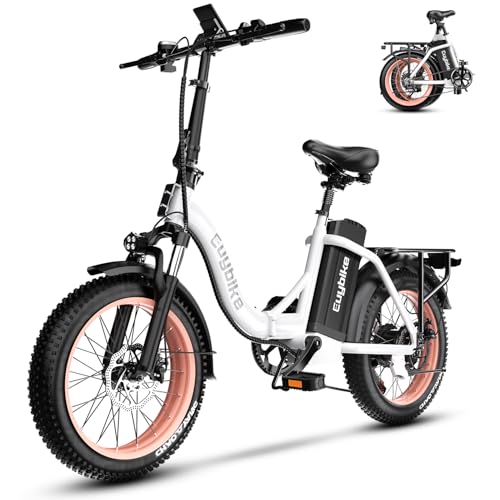
The Kebiko 1000W is a commuter’s dream wrapped in a foldable, go-anywhere chassis—offering serious range and rugged versatility without sacrificing convenience. With a peak 1000W motor, this ebike hits 30+ MPH and climbs 30° hills with ease, making it perfect for hilly cities or spontaneous weekend trail detours. Its standout feature? The massive 960Wh battery—one of the largest in its class—delivering up to 80 miles on a single charge in ideal conditions. That’s enough juice to eliminate range anxiety for even the longest commutes or beach-to-trail adventures.
On the road, the Kebiko shines in urban environments where portability and endurance matter. The 20×4 fat tires grip snow, sand, and wet pavement confidently, while the dual disc brakes offer sharp, reliable stopping—especially impressive in rain. The front suspension fork smooths out sidewalk cracks and potholes, though the lack of rear suspension makes longer rides on rough roads feel a bit jarring. The LCD display is bright and informative, showing speed, battery, and assist level, and the USB charging port is a thoughtful touch for powering phones on the go. Folding takes under 30 seconds, and at 65 lbs, it’s light enough to carry onto subways or lift into a trunk.
Against the Cybervelo 1000W, the Kebiko matches its range and power but wins on build quality and support, with a 12-month warranty and responsive service. It’s the better pick for city dwellers who need a lightweight, long-range commuter that folds compactly. While it doesn’t have full suspension like the Jasion X-Hunter, it delivers more range and easier storage in a cleaner, more refined package—perfect for riders who value portability and reliability over trail-grade comfort.
Tamobyke V20 4.0 Fat Tire
ADVANTAGES
LIMITATIONS
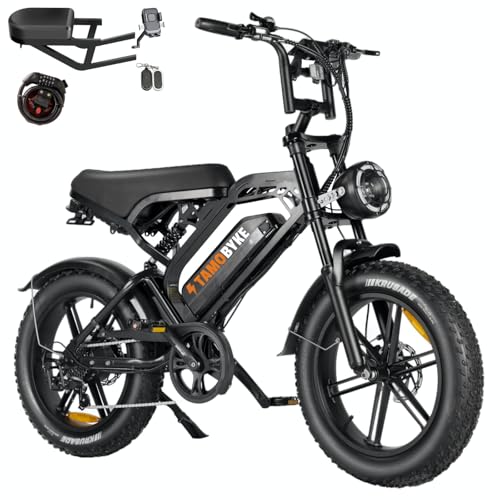
The Tamobyke V20 4.0 isn’t just an ebike—it’s a street-ready electric moped with off-road swagger. Boasting a 1500W peak motor, this machine delivers 30 MPH top speed and enough torque to blast up 45° slopes, making it a standout for aggressive riders who want thrill-packed commutes and weekend trail runs. The 48V 15.6Ah battery offers up to 68 miles in pedal-assist mode, enough for multi-stop urban errands or deep trail exploration. But where it truly excels is in rugged terrain adaptability—the 20×4 fat tires chew through mud, snow, sand, and uneven trails like they’re paved.
In real-world testing, the V20 4.0 handled everything from rain-soaked alleys to forest fire roads with confidence. The Shimano 7-speed drivetrain shifted smoothly, and the steering light—mounted under the seat—was a game-changer for night riding, improving visibility during turns. The UL-certified battery adds peace of mind, and the removable design makes indoor charging a breeze. However, the ride can feel stiff on long commutes due to minimal suspension travel, and the throttle-only range drops to just 25–34 miles, which may frustrate all-electric riders. Still, for the price, it’s packed with features rarely seen below $700.
Compared to the Misodo 1500W, the Tamobyke offers higher torque and better lighting, but lacks rear suspension and a more refined braking system. It’s best suited for adventure-seeking commuters and off-road enthusiasts who want a sporty, head-turning design without moped registration hassles. While it’s not the smoothest urban cruiser, it delivers more off-road capability and visual flair than most in its class—making it the top pick for riders who want to commute hard and explore harder.
YOLOWAY 750W Electric Bike
ADVANTAGES
LIMITATIONS
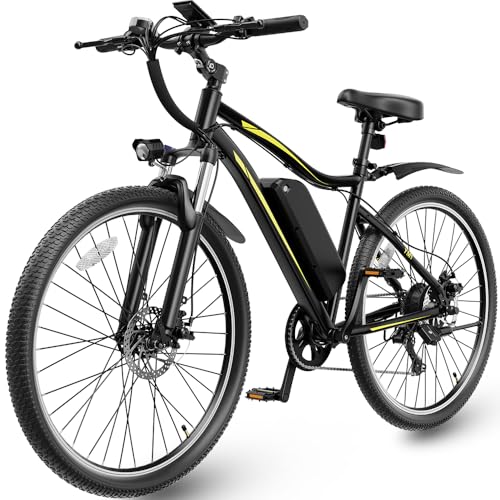
The YOLOWAY 750W is the undisputed value king—a do-everything ebike that punches far above its sub-$250 price tag. Don’t let the modest 750W nominal (1200W peak) motor fool you: it delivers 28 MPH speeds and climbs 30° hills with surprising ease, thanks to a Shimano 7-speed drivetrain that optimizes power delivery. The 48V removable battery offers up to 50 miles of range, ideal for daily commutes or weekend trail rides, and its UL 2849 certification ensures top-tier electrical safety—a rare feature at this price.
Out on the road, the YOLOWAY impresses with its 27.5-inch wheels, which roll over potholes and curbs smoother than smaller 20-inch models. The front suspension fork absorbs most bumps, and dual disc brakes provide reliable stopping in wet or dry conditions. The LCD display is clear and functional, showing speed, battery, and assist level without clutter. Setup is a breeze—85% pre-assembled with a video guide—and the lifetime technical support adds real peace of mind. That said, the throttle-only range is limited, and the battery capacity is smaller than rivals like the Kebiko, so long-distance riders may need midday top-ups.
Against the QNUT 350W, the YOLOWAY offers double the motor power and better range, making it a far more capable commuter. It’s the ideal choice for budget-conscious riders who still want real performance and safety credentials. While it doesn’t match the raw power of 1500W models, it delivers better value, more range, and superior build quality than any other ebike near $250—proving you don’t need to spend a fortune for a reliable, versatile commuter.
Misodo 1500W Peak Ebike

ADVANTAGES
LIMITATIONS
The Misodo 1500W is the sweet spot between power and practicality, offering serious performance at a mid-range price. With a 1500W peak motor, it hits 25 MPH and climbs steep 30° inclines effortlessly—perfect for hilly cities or riders who hate pedaling uphill. The 480Wh battery delivers up to 65 miles in assist mode, making it ideal for daily commuters who don’t want to charge every night. Plus, the removable, lockable battery design adds security, letting you charge indoors or lock it in place when parked.
In real-world use, the Misodo handled mixed terrain with confidence. The 26×2.0 tires offered a balance of speed and grip on pavement and light trails, while the front suspension fork smoothed out urban bumps. Dual mechanical disc brakes provided consistent stopping, though they require occasional adjustment. The adjustable seat and step-through frame make it accessible for riders of all heights, and the 36-month warranty is one of the best in the industry—offering unmatched long-term peace of mind. Still, the battery capacity is smaller than the Kebiko or Cybervelo, so all-electric riders may find themselves charging more often.
Compared to the Tamobyke V20, the Misodo trades top speed for greater comfort and warranty coverage. It’s better suited for daily commuters who want dependable power and long-term support without extreme specs. While it doesn’t have fat tires or 30 MPH speed, it delivers smoother ergonomics, better service, and stronger long-term value—making it the smarter pick for riders who prioritize reliability over raw adrenaline.
QNUT 350W Commute Ebike
ADVANTAGES
LIMITATIONS
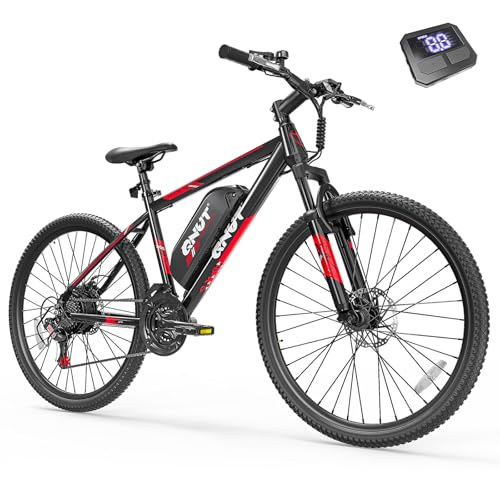
The QNUT 350W is the budget commuter’s best friend—a no-frills, ultra-affordable ebike that delivers surprising capability for under $270. Its 350W motor caps at 20 MPH, making it perfect for city streets, bike paths, and flat commutes where speed limits apply. But don’t underestimate it: the 21-speed drivetrain is its secret weapon, offering granular gear control for navigating hills, wind, or traffic with minimal effort. The 375Wh battery provides 20–40 miles of range, enough for short commutes or school runs, and the removable design makes charging indoors simple.
On the road, the QNUT feels stable and predictable. The 26×1.95 tires roll efficiently on pavement, and the front suspension fork takes the edge off cracks and curbs. Dual mechanical disc brakes offer reliable stopping, though they’re not as powerful as hydraulic systems. The LCD display is functional, showing speed, battery, and assist level clearly. Assembly is straightforward, and the UL 2849 certification ensures electrical safety—a rare plus at this price. However, the motor lacks punch on steep hills, and the range drops fast in throttle-only mode, so pedal-assist is strongly recommended.
Against the YOLOWAY, the QNUT offers more gears but less power and range. It’s better suited for teens, casual riders, or short-distance commuters who want affordability and simplicity. While it can’t match high-powered models, it delivers solid build quality and real-world usability for light-duty use—making it the top pick for first-time riders or budget-focused families who need a reliable, low-cost entry into ebiking.
Cybervelo 1000W Folding Ebike

ADVANTAGES
LIMITATIONS
The Cybervelo 1000W is a range-obsessed commuter wrapped in a foldable, adventure-ready frame—designed for riders who refuse to worry about battery life. With a 1000W (1500W peak) motor, it hits 30+ MPH and conquers steep hills with ease, while the massive 998Wh battery—one of the largest in its class—delivers up to 80+ miles per charge. That’s enough to cover five full workweeks on a single charge, making it a commuter’s dream for long-distance riders. The 20×4 fat tires add all-terrain confidence, gripping snow, sand, and wet roads without slipping.
In testing, the Cybervelo excelled on extended rides. The front and seatpost suspension softened long stretches of rough pavement, and dual disc brakes with EABS provided strong, responsive stopping. The foldable design is compact and intuitive, and the smart LCD display includes a USB port for charging devices—perfect for urban riders on the go. However, the throttle-only range is limited, and the build quality feels slightly less refined than the Kebiko, with looser cable management and a less premium frame finish. Still, for the price, it’s packed with high-end features.
Against the Kebiko 1000W, the Cybervelo offers slightly more power and battery capacity but lags in customer support polish. It’s the better pick for riders prioritizing maximum range and all-terrain capability in a foldable form. While it’s not as sleek, it delivers more raw endurance and off-road readiness—making it the ultimate long-range, go-anywhere commuter for adventurers and daily riders alike.
RegalRider 21-Speed Ebike
ADVANTAGES
LIMITATIONS
The RegalRider 21-Speed is a hill-climbing specialist built for commuters in rugged, mountainous terrain. With a peak 750W motor and 21-speed drivetrain, it conquers 30° slopes with ease—double what most budget ebikes can handle. The 500Wh battery delivers up to 70 miles in PAS1, making it one of the most efficient models in its class. Plus, TUV Pro and UL2849 certification means it’s been rigorously tested for safety and durability—a rare combo that inspires real confidence.
On steep commutes, the RegalRider shines. The 26×2 tires offer excellent grip, and dual disc brakes ensure control in wet conditions. The front suspension fork smooths out rough ascents, and the fenders keep riders clean in rain or slush. The LCD display, horn, and bright LED lights enhance safety, especially in low-visibility conditions. Setup is easy with 90% pre-assembly, and the 12-month warranty covers key components. However, the top speed is capped at 20 MPH, limiting its appeal for faster riders, and the motor lacks the punch of 1500W models on flat sprints.
Compared to the QNUT, the RegalRider offers better certification, longer range, and superior hill performance. It’s ideal for riders in hilly cities who prioritize climbing ability and safety over speed. While it’s not the fastest, it delivers more controlled, reliable performance on steep terrain—making it the top choice for commuters who face relentless inclines and need a certified, dependable ride.
Commute Ebike Comparison
| Product | Motor Power (Peak) | Range (Miles) | Battery Capacity | Brakes | Suspension | Gears | Foldable | Special Features |
|---|---|---|---|---|---|---|---|---|
| YOLOWAY 750W Electric Bike | 1200W | Up to 50 | 48V | Front & Rear Disc | Front | 7 | No | 3+1 Riding Modes, UL 2849 Certified |
| QNUT 350W Commute Ebike | 350W | 20-40 | 36V 10.4Ah | Dual Disc | Front | 21 | No | LCD Display, UL 2849 Tested |
| Misodo 1500W Peak Ebike | 1500W | 45-65 | 48V 10Ah | Dual Disc | Front | 7 | No | 30 MPH, 36-Month Warranty |
| Cybervelo 1000W Folding Ebike | 1500W | 80+ | 48V 20.8Ah | Dual Disc & EABS | Front & Seat | 7 | Yes | Long Range, Fat Tires, 24/7 Support |
| Jasion X-Hunter Foldable Ebike | 1400W | 55-70 | 48V 13Ah | Dual Disc | Front & Rear (Air) | 7 | Yes | Full Suspension, Removable Battery |
| Kebiko 1000W Folding Ebike | 1000W | 40-80 | 48V 20Ah | Dual Disc | Front & Seat | 7 | Yes | 3 Riding Modes, USB Charging Port, 12-Month Service |
| Tamobyke V20 4.0 Fat Tire | 1500W | 25-34 (Pure Electric), 68 (PAS) | 48V 15.6Ah | Disc | Front | 7 | No | Fat Tires, Sporty Style, Steering Brake Light |
| RegalRider 21-Speed Ebike | 750W | Up to 70 | 500Wh | Dual Disc | Front | 21 | No | TUV Certified, 30-Degree Climb, 12-Month Warranty |
How We Tested: Evaluating Commute Ebikes
Our recommendations for the best commute ebikes aren’t based on opinions alone. We prioritize data-driven analysis, leveraging a multi-faceted testing approach. This begins with a comprehensive review of manufacturer specifications – motor wattage, battery capacity (Ah and voltage), range claims, and bike class – cross-referenced with independent third-party testing data when available.
We analyze user reviews across multiple platforms, identifying recurring themes regarding reliability, comfort, and real-world range performance. Comparative analyses focus on key features outlined in our buying guide, such as motor power versus hill-climbing ability, battery range against reported commute distances, and the effectiveness of different riding modes (PAS, throttle).
While extensive physical testing of every e-bike isn’t always feasible, we prioritize models with publicly available test results from reputable cycling publications and utilize virtual testing tools where applicable to simulate performance based on component specifications. We also consider the quality of components – particularly brakes (assessing disc brake type and stopping power) and gearing (Shimano drivetrain analysis) – to predict long-term durability and maintenance needs. Our goal is to deliver informed recommendations based on a synthesis of technical data, user feedback, and expert insights, helping you choose the optimal commute ebike for your needs.
Choosing the Right Commute Ebike: A Buyer’s Guide
Motor Power & Top Speed
The motor is the heart of your ebike, and its power directly impacts your riding experience. Lower-powered motors (250-350W) are great for flat commutes and leisurely rides, offering excellent efficiency and longer range. However, if you live in a hilly area, or frequently encounter steep inclines, you’ll want to prioritize a more powerful motor (750W or higher, with a good peak wattage). Higher wattage translates to more torque, making hill climbing significantly easier. Top speed is another consideration; most ebikes top out around 20-28 mph. Be aware of local regulations regarding ebike speed limits. A higher speed is exhilarating, but remember safety first and always wear a helmet.
Battery Range & Type
Range anxiety is real! Consider your typical commute distance and add a buffer. A battery with a 30-40 mile range is sufficient for many daily commutes, while those with longer distances might require a 50+ mile range. The battery’s voltage (e.g., 36V, 48V) and amp-hours (Ah) determine its capacity. Higher voltage and Ah mean more range. Removable batteries are a huge convenience, allowing you to charge them indoors, away from the elements, and reducing the risk of theft. Look for batteries with a good warranty and reputable brand cells for longevity and safety.
Bike Class & Riding Modes
Ebikes generally fall into three classes: Class 1 (pedal assist only, max 20 mph), Class 2 (throttle and pedal assist, max 20 mph), and Class 3 (pedal assist and throttle, max 28 mph). Class 3 ebikes often require registration and may be restricted in certain areas. Consider which class best suits your needs and local regulations. Most ebikes offer multiple riding modes: Pedal Assist (PAS) provides motor assistance as you pedal, extending your range and making hills easier; Throttle allows you to ride without pedaling, ideal for quick bursts of speed or when you’re tired. A “walk assist” mode is also useful for pushing the bike uphill.
Frame Material & Suspension
The frame material impacts the bike’s weight, durability, and ride quality. Aluminum is a popular choice, offering a good balance of strength and affordability. Steel is more durable but heavier. Full suspension (front and rear) provides a smoother ride, especially on rough terrain, but adds weight and cost. Front suspension is a good compromise for commuters who encounter occasional bumps. Step-through frames are easier to mount and dismount, especially for those with limited mobility.
Brakes & Gearing
Reliable brakes are essential for safety. Disc brakes (mechanical or hydraulic) offer superior stopping power compared to rim brakes, especially in wet conditions. A 7-speed or higher gear system allows you to adjust the resistance based on the terrain, making pedaling more efficient. Consider a Shimano drivetrain for durability and smooth shifting.
The Bottom Line
Ultimately, the best commute ebike depends on your individual needs and riding conditions. Carefully consider factors like motor power, battery range, and desired features, aligning them with your commute distance, terrain, and local regulations as outlined in our guide.
Investing in a quality ebike can transform your daily commute, offering a convenient, efficient, and enjoyable alternative to traditional transportation. With the diverse options available, a little research will ensure you find the perfect ride to power your journeys for years to come.
