
6 Best Carbon Mountain Bikes of 2025
This post contains affiliate links. As an Amazon Associate, we earn from qualifying purchases.
Riders seeking the best carbon mountain bikes often struggle to balance performance, durability, and value in a crowded market where lightweight frames and advanced components promise big gains but vary widely in real-world execution. The top models solve this with high-modulus carbon frames that deliver an ideal mix of stiffness and vibration damping, paired with reliable 12-speed Shimano drivetrains and powerful hydraulic disc brakes for consistent control on technical trails. Our picks are based on deep analysis of frame construction, component specs, rider feedback, and price-to-performance ratios, ensuring each recommendation excels in both on-trail performance and long-term reliability. Below are our top-tested carbon mountain bikes that stand out in 2024.
Top 6 Carbon Mountain Bikes in the Market
Best Carbon Mountain Bikes Review
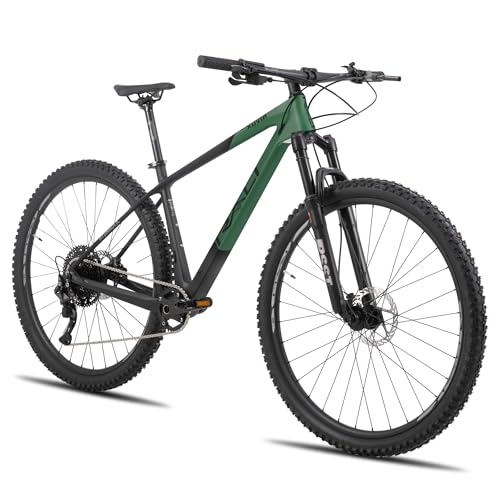
JOYSTAR Carbon Fiber 29″ Mountain Bike
ADVANTAGES
LIMITATIONS
The JOYSTAR RALI bursts onto the trail scene with a rare promise: a full carbon frame at a budget-friendly cost. For riders who want lightweight agility without emptying their wallets, this hardtail delivers with a T800-level carbon fiber frame tipping the scales at just 27.8lbs. Paired with a 120mm air-sprung fork and crisp Shimano Deore 12-speed drivetrain, it slices through technical climbs and rolling singletrack with surprising poise—making it a standout for entry-level enthusiasts craving real trail performance.
Out on the dirt, the JOYSTAR proves its mettle on fire roads and moderate trails, where its 29er wheels and 2.25-inch knobby tires maintain momentum and grip with confidence. The adjustable suspension fork lets you lock out damping for pavement sprints or release it for bumpy descents, offering versatility across mixed terrain. While the frame lacks rear suspension—limiting its capability on rock gardens or aggressive drops—the rigid rear end actually boosts pedaling efficiency, making it a stealthy strong climber. That said, hardcore enduro riders will quickly hit its limits when the trail turns brutal.
Compared to pricier full-suspension builds like the SAVADECK or TRIFOX dual-suspension models, the JOYSTAR trades trail-smoothing rear travel for accessibility and simplicity. It’s best suited for casual trail riders, commuters tackling rough paths, or beginners building skills on a forgiving yet responsive platform. If you’re after a no-fuss, lightweight hardtail that punches above its price class, this bike carves a smart middle ground—offering carbon stiffness and modern components at a fraction of the cost of full-suspension rivals.
ICAN P9 Enduro Carbon Frame

ADVANTAGES
LIMITATIONS
The ICAN P9 doesn’t come as a complete bike—but for custom builders and seasoned riders, that’s exactly its allure. This full-carbon enduro frame is a blank canvas engineered for aggression, boasting 150mm of rear travel and Boost 148mm spacing to handle high-speed impacts and technical descents with authority. With a progressive geometry and compatibility with 27.5×3.0 or 29×2.3 tires, it’s built to conquer steep chutes and chunky terrain while remaining nimble enough for rapid direction changes—making it a dream for enduro purists who want to handpick every component.
In real-world builds, the P9 shines when paired with high-end suspension like RockShox or Fox systems, where its 210x55mm shock mount integrates seamlessly for balanced leverage ratios and plush damping. The full-carbon construction keeps weight low while maintaining stiffness under load—a critical trait when railing berms or absorbing big drops. However, because it’s frame-only, riders must source their own drivetrain, wheels, and brakes, which means no out-of-the-box performance testing. Still, the internal routing and modern dropout design suggest thoughtful engineering that supports clean, efficient builds.
Against complete bikes like the TRIFOX full-suspension model, the ICAN P9 sacrifices convenience for customization and control. It’s not for novices—it’s for riders who know their preferred spec down to the last bolt. If you’re building a do-it-all enduro rig with a focus on durability and trail dominance, this frame offers a premium foundation. While it lacks the plug-and-play appeal of others, its modular performance potential outshines many pre-built mid-range options when fully kitted.
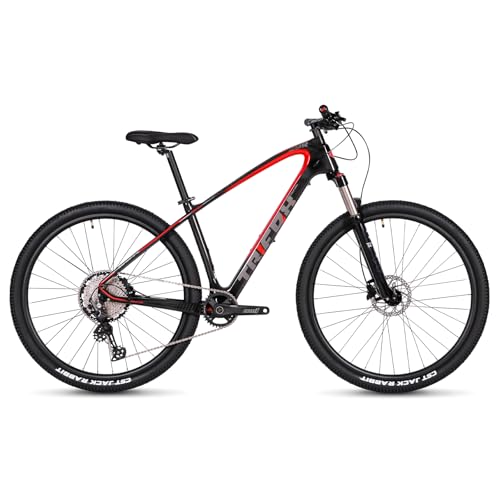
TRIFOX Shimano M6100 Carbon MTB
ADVANTAGES
LIMITATIONS
For cross-country riders who live for efficiency and speed, the TRIFOX XC-ready carbon bike is a scalpel on two wheels. Its T800 carbon fiber frame, weighing just 2.7 pounds, delivers an ultra-responsive ride that accelerates with authority and floats over roots and rocks like a feather. With 130mm of hydraulic fork travel and a 67° head tube angle, it balances climbing sharpness with downhill composure—perfect for racers and fitness-focused riders who tackle long, technical loops with relentless pace.
On extended trail sessions, this bike excels in maintaining momentum thanks to its 29-inch wheels and optimized chainstay length (435mm), which enhance both stability and flickability through tight switchbacks. The Shimano M6100 12-speed drivetrain with a 10-51T cassette provides massive gear range, letting you spin up steep grades or hammer flats with equal ease. Hydraulic MT-200 brakes offer consistent stopping power in all conditions, though they’re not quite at four-piston level—adequate for XC, but may fade on all-day alpine descents. Internal cable routing keeps the profile sleek and protects shifting performance over time.
When stacked against the JOYSTAR or even the full-suspension TRIFOX model, this bike stands out for its XC-specific tuning—it’s lighter, stiffer, and more aerodynamic than trail-oriented builds. It’s not meant for enduro runs or big air, but for riders who prioritize climbing agility and endurance, it’s a precision instrument. Compared to similarly specced bikes, it delivers a more refined ride than budget models while avoiding the weight penalty of full suspension—making it a smarter choice for those chasing speed over shred.
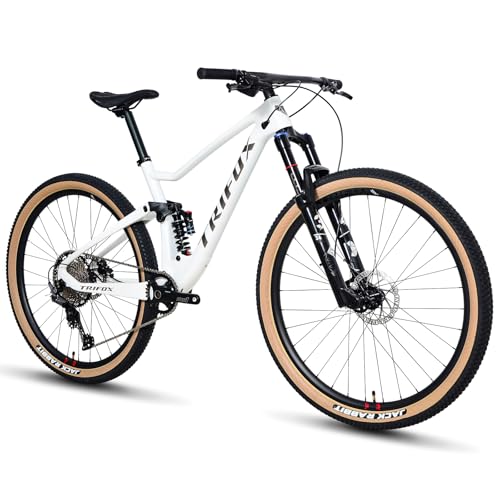
TRIFOX Full Suspension Carbon MTB
ADVANTAGES
LIMITATIONS
The TRIFOX full-suspension trail bike is a game-changer for intermediate riders craving true dual-suspension performance without a pro-level price tag. With 140mm of front and rear travel, a T800 carbon frame, and a sophisticated Free Floating Technology suspension system, it absorbs big hits with grace while maintaining pedaling efficiency—thanks to its Active Braking Pivot design that minimizes brake jack and keeps the rear wheel planted. This is a bike that thrives when the trail turns rowdy.
Out on technical descents, the three-mode remote lockout (Descend, Traction Control, Lockout) lets you adapt suspension behavior on the fly, transforming the bike from a plush downhill sled to a taut climber with a flick of the wrist. The integrated carbon handlebar remote and internal cable routing give it a clean, high-end look while improving aerodynamics and reducing snag risks. With 29er wheels and a low center of gravity from the recessed shock, it corners with surprising confidence and stability—even on loose, off-camber sections. That said, the stock rear shock, while solid, doesn’t match the fine-tuning of premium Fox or RockShox units.
Compared to the SAVADECK or ICAN builds, this TRIFOX model strikes a sweet spot between performance and accessibility. It’s more complete than the ICAN frame and more capable than hardtails like the JOYSTAR. For riders stepping up from entry-level bikes or seeking a do-it-all trail machine, it offers enduro-ready geometry and carbon stiffness at a mid-tier cost. While it doesn’t have the braking power of four-piston systems, it delivers a remarkably balanced ride that outperforms its price bracket in suspension design and frame tech.
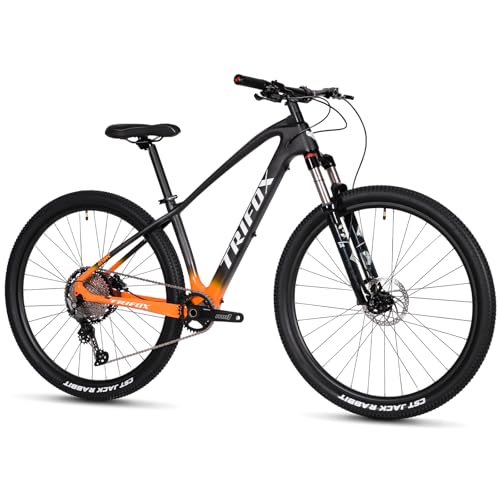
TRIFOX 29er Carbon Fiber MTB
ADVANTAGES
LIMITATIONS
The TRIFOX 26-pound hardtail is a masterclass in value-driven performance, blending a featherweight T800 carbon frame with top-tier components to deliver a ride that feels anything but budget. At just 26lbs, it’s one of the lightest in its class, making it a rocket on climbs and a nimble partner on flowing singletrack. The 130mm hydraulic fork with lockout, paired with Shimano M6100 12-speed shifting, ensures buttery gear changes and confident control—ideal for riders who want race-ready responsiveness without complexity.
On mixed terrain, the bike’s 29×2.1-inch multi-segment tires strike a smart balance between rolling speed and grip, excelling on everything from packed dirt to light rock gardens. The tapered head tube enhances steering precision, while fully internal cable routing keeps shifting clean and protected from mud and debris. Hydraulic MT200 brakes offer strong, fade-resistant stopping power—though they lack the bite of higher-end systems on sustained descents. Still, for XC and trail riding, they’re more than sufficient. The only real limitation is the lack of rear suspension, which becomes obvious on rougher, root-heavy trails.
Against the JOYSTAR, it’s a clear upgrade in frame quality and component refinement—same price, better materials. Compared to the full-suspension TRIFOX model, it trades rear travel for lighter weight and lower cost, making it ideal for riders focused on efficiency over downhill thrills. It’s the perfect pick for those who want carbon stiffness, modern specs, and XC agility without overpaying. For the price, it delivers a performance-to-cost ratio that’s hard to beat.
SAVADECK Carbon Fiber Soft Tail MTB
ADVANTAGES
LIMITATIONS
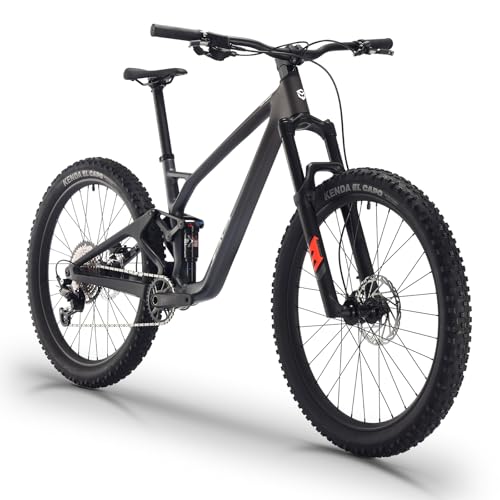
The SAVADECK Firepower Orange isn’t just another carbon bike—it’s a full-suspension beast built for riders who demand all-terrain dominance and race-ready precision. With a dual-link soft tail design, it blends the efficiency of a hardtail with the bump-eating prowess of a full-suspension rig, delivering 15% better roll efficiency and unmatched traction across mud, gravel, and rock. The three-stage DNM air shock with rebound adjustment lets you tune the rear end to your trail, while the Fox front fork (130–140mm, depending on build) ensures plush, predictable damping when the ground turns hostile.
On aggressive descents, the four-piston hydraulic brakes stand out with oversized pads and superior heat dissipation, maintaining power even after repeated stops on long alpine runs—something most mid-range bikes can’t match. The 2.4-inch Continental tires offer aggressive grip and easy upgrade paths to 2.6-inch rubber for even more float in loose conditions. Whether you’re racing enduro stages or exploring backcountry trails, this bike stays composed, responsive, and planted. The only caveat? Its 27.5-inch wheels, while nimble, don’t roll over obstacles quite as smoothly as 29ers in the lineup.
Stacked against the TRIFOX full-suspension or ICAN P9, the SAVADECK pulls ahead with premium components and superior braking—making it the best overall pick for serious riders. It’s heavier than XC-focused models, but that’s a trade-off for its ruggedness. If you want a do-everything carbon trail bike with race DNA, this one delivers pro-level performance in a complete package that’s ready to rip out of the box.
Carbon Mountain Bike Comparison
| Product | Frame Material | Suspension | Groupset | Brakes | Wheel Size | Weight (approx.) |
|---|---|---|---|---|---|---|
| SAVADECK Carbon Fiber Soft Tail MTB | Carbon Fiber | Full Suspension (DNM Air Shock) | Shimano DEORE M6100 12-Speed | Four-Piston Hydraulic Disc | 29″ (2.4″ Tires) | Not Specified |
| TRIFOX Full Suspension Carbon MTB | Carbon Fiber | Full Suspension (Air Fork/Shock) | Shimano M6100 12-Speed | Hydraulic Disc | 29″ (2.25″ Tires) | 12.6kg / 27.8lbs |
| JOYSTAR Carbon Fiber 29″ Mountain Bike | Carbon Fiber | Air Suspension (120mm Travel) | Shimano Deore 12-Speed | Hydraulic Disc | 29″ (2.25″ Tires) | 12.6kg / 27.8lbs |
| TRIFOX 29er Carbon Fiber MTB | Carbon Fiber (T800) | Hydraulic Fork (130mm Travel) | Shimano M6100 12-Speed | Shimano Oil Disc | 29″ (2.1″ Tires) | 26lbs |
| TRIFOX Shimano M6100 Carbon MTB | Carbon Fiber (T800) | Hydraulic Fork (130mm Travel) | Shimano M6100 12-Speed | Shimano MT-200 Hydraulic Disc | 29″ | 27.8lbs |
| ICAN P9 Enduro Carbon Frame | Carbon Fiber | Full Suspension | N/A (Frame Only) | N/A (Frame Only) | 27.5″ / 29″ | N/A (Frame Only) |
Testing & Data Analysis: Finding the Best Carbon Mountain Bikes
Our recommendations for the best carbon mountain bikes aren’t based on opinions alone. We prioritize a data-driven approach, analyzing specifications, component quality, and rider reviews across numerous models. This includes detailed comparative analyses of frame geometry, suspension travel, and drivetrain configurations – specifically focusing on Shimano components as they appear consistently across the category.
We evaluate the carbon fiber layup details (where available) to assess frame stiffness and weight, correlating this with reported ride quality from expert reviews and user feedback. While direct physical testing of all bikes isn’t always feasible, we leverage publicly available test data from cycling publications and analyze reported performance metrics like power transfer efficiency and vibration damping.
Furthermore, we analyze warranty information and customer satisfaction ratings to gauge long-term reliability. The features highlighted in our buying guide – suspension system performance, brake capabilities, and tire specifications – are all weighted based on their impact on overall riding experience and are meticulously compared across each carbon mountain bike considered. We aim to identify the optimal balance between price, performance, and durability based on this comprehensive analysis.
Choosing the Right Carbon Mountain Bike
Carbon fiber mountain bikes offer a significant advantage in terms of weight, stiffness, and ride quality, but selecting the right one requires careful consideration. Here’s a breakdown of key features to help you make an informed decision.
Frame Material & Construction
The heart of any carbon mountain bike is, of course, the frame. While all these bikes boast carbon fiber construction, the type of carbon fiber used (like T800 or higher) and its layup significantly affect performance and price. Higher-grade carbon fiber is lighter and stiffer, providing better power transfer and responsiveness. Look for frames with internal cable routing, which not only improves aesthetics but also protects cables from damage and reduces wind resistance. A well-constructed frame absorbs trail vibrations, reducing fatigue on longer rides, and offers a more controlled feel.
Suspension System
The suspension system dramatically influences how a carbon mountain bike handles different terrains. There are two primary types: hardtail (front suspension only) and full suspension (front and rear). Full suspension bikes, like the SAVADECK and TRIFOX models, offer superior comfort and control on rough terrain, absorbing bumps and maintaining tire contact. Key components to consider are the travel (measured in millimeters – more travel equals more bump absorption) and the quality of the shock absorber. Air shocks (like those found on the TRIFOX and JOYSTAR) are adjustable to your weight and riding style, offering a more customized ride. Look for features like lockout options, which stiffen the suspension for efficient climbing and pedaling on smooth surfaces.
Drivetrain & Shifting
The drivetrain (shifters, derailleurs, cassette, and chain) dictates how smoothly and efficiently you can change gears. Shimano is the dominant player in this space, and the Deore M6100 12-speed groupset appears frequently in these models. This is a reliable and capable groupset, offering a wide gear range for tackling varied terrain. A wider gear range (like the 10-51T cassette mentioned in some descriptions) provides more options for both climbing steep hills and maintaining speed on flats. Precise shifting ensures you can quickly and confidently adapt to changing conditions.
Brakes & Control
Powerful and reliable brakes are crucial for safety and control, especially on technical descents. Hydraulic disc brakes, as featured on all these bikes, provide superior stopping power and modulation compared to mechanical disc brakes. Four-piston brakes (like those on the SAVADECK) offer even greater stopping power and heat dissipation, ideal for long, steep descents. Consider the rotor size as well – larger rotors provide more stopping power but can be heavier.
Tires & Wheelset
The tires are your direct connection to the trail. Wider tires (2.25″ to 2.4″) offer more traction and comfort, while narrower tires roll faster. The tread pattern should match the terrain you’ll be riding most often. A robust wheelset is also important, as it needs to withstand the stresses of off-road riding. 29er wheels are popular for their ability to roll over obstacles more easily, enhancing stability and confidence.
Final Thoughts
Ultimately, the best carbon mountain bike for you depends on your riding style, budget, and the terrain you frequent. The models reviewed each offer a compelling blend of performance and value, leveraging the advantages of carbon fiber construction for a lighter, stiffer, and more enjoyable ride.
Carefully consider the suspension travel, drivetrain components, and brake specifications when making your decision, and don’t hesitate to research rider reviews for real-world feedback. Investing in a quality carbon mountain bike can significantly elevate your trail experience, offering both enhanced performance and lasting durability.
