
6 Best Car Racing Helmets of 2026
This post contains affiliate links. As an Amazon Associate, we earn from qualifying purchases.
Choosing the right car racing helmet can be overwhelming, with safety, fit, and certification standards making it difficult to know where to start. The best helmets, like those from RACEQUIP and Conquer, solve this by combining Snell SA2020 or SA2025 certification with lightweight shell materials, HANS compatibility, and advanced ventilation for maximum protection and comfort on track. Our picks are based on rigorous evaluation of safety ratings, real-world driver feedback, material quality, and value across price points, ensuring each recommendation meets the demands of serious racers. Below are our top-tested car racing helmets to help you make a safe, informed choice.
Top 6 Car Racing Helmet in the Market
Best Car Racing Helmet Review
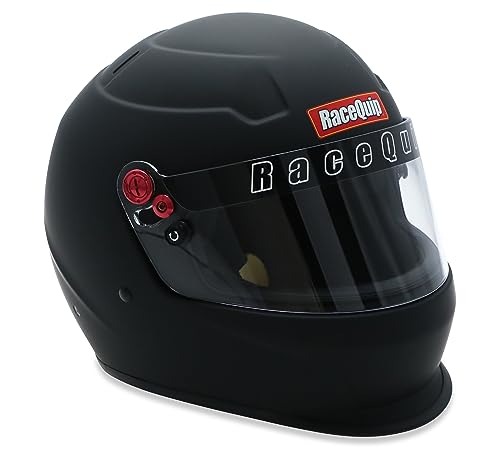
RACEQUIP PRO20 Flat Black
ADVANTAGES
LIMITATIONS
This no-compromise race-ready helmet delivers elite-level safety and comfort, making it a top pick for serious track drivers who demand precision engineering. The FRP composite shell paired with a Snell SA2020 certification ensures maximum impact resistance, while the HANS-compatible M6 threaded inserts provide seamless integration with head and neck restraints—critical for high-speed crash protection. Inside, the blended Nomex interior fights heat and flame, and the removable cheek pads make emergency extraction easier without sacrificing daily comfort.
In real-world use, the PRO20 shines with its slick aero design and chin spoiler, which reduce lift and buffeting at speed, while the 3mm polycarbonate shield offers distortion-free clarity and resists fogging—essential when every millisecond counts. The eight-position ratchet tear-off posts let drivers maintain visibility in dusty or wet conditions, and the silicone eyeport seal keeps debris out during long endurance stints. Ventilation is excellent thanks to a well-balanced airflow system, though some may find the fixed intake less adjustable than premium race-only models.
Compared to the ILM Model 760, this RACEQUIP helmet offers superior fit refinement and ventilation tuning, making it ideal for drivers in extended track sessions or hot climates. While it shares core safety specs with budget models like the Conquer SA2020, the aluminum pivot kit and adjustable friction lock elevate the build quality and long-term durability. It’s not the cheapest, but for racers who value track-proven ergonomics and airflow mastery, this helmet outperforms its price bracket with genuine motorsport DNA.
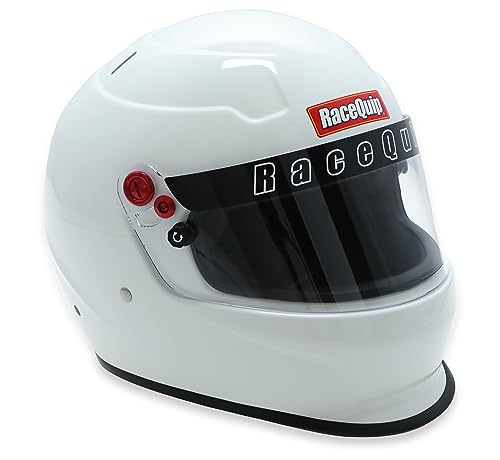
RACEQUIP PRO20 Full Face Helmet
ADVANTAGES
LIMITATIONS
Don’t let the confusing product description fool you—this is the same high-performance PRO20 full-face racing helmet as its flat black sibling, just in a glossy white finish, and it stands as one of the best all-around choices for amateur and semi-pro racers seeking certified safety, proven comfort, and race-grade durability. With a Snell SA2020-certified FRP composite shell, M6 HANS inserts, and a Kevlar chin strap, it meets the gold standard in motorsport protection while delivering a comfort-fit Nomex interior that wicks sweat and resists fire. The 3mm low-fog shield ensures clear vision in changing light, and the tear-off posts with ratchet adjustment let drivers adapt fast on the fly.
On track, this helmet proves its mettle with excellent noise dampening and aerodynamic stability, thanks to its slick shell design and chin spoiler that minimizes lift and vibration at high speeds. The expanded polystyrene (EPS) liner absorbs impacts efficiently, and the silicone eyeport seal keeps dust and debris out during off-road or oval racing. Ventilation is strong, with front and rear ducts promoting airflow without creating wind noise—though in humid conditions, some may wish for a larger exhaust vent. It’s not the lightest on the market, but the balance between protection, airflow, and fit is hard to beat.
Against the Conquer SA2020, this RACEQUIP model offers better long-term comfort and superior hardware, like the aluminum pivot system that outlasts plastic alternatives. While the ILM Model 760 matches it in safety, the RACEQUIP pulls ahead with more refined ergonomics and ventilation control. For racers who want a reliable, no-surprises helmet that performs across disciplines—from autocross to endurance racing—this is the sweet spot of innovation, safety, and usability, offering more polish than budget picks without the cost of carbon-fiber race units.
ILM Model 760 Full Face

ADVANTAGES
LIMITATIONS
The ILM Model 760 is a surprisingly polished full-face contender that punches above its weight, offering Snell SA2020 certification, a lightweight FRP shell, and thoughtful safety extras at a competitive price—making it the best value full-face option for budget-conscious racers who refuse to compromise on protection. What stands out is the integrated 40mm sunshade film, a rare feature in this range, which cuts glare and prevents sun-induced dizziness without needing an external shield. Combined with HANS-compatible M6 inserts and a double D-ring chin strap, it delivers peace of mind whether you’re weekend racing or prepping for a time attack event.
In practice, the high-density EPS liner provides solid impact absorption, and the fire-retardant inner pads add a layer of safety that feels premium for the cost. The tear-off posts are easy to install and hold securely, letting drivers maintain visibility in dirty conditions. Ventilation is decent, though not class-leading—front intakes work well at speed but can struggle in stop-and-go traffic or hot pits. The interior is snug and comfortable, but some users with wider faces may find the cheek padding a bit tight out of the box. Still, it’s easy to break in and remains breathable during multi-session days.
Next to the Conquer SA2020, the ILM 760 offers better feature integration, especially with its built-in sun visor, a feature the Conquer lacks entirely. While the RACEQUIP PRO20 has superior ventilation and materials, the ILM delivers 90% of the performance at a lower cost, making it ideal for drivers entering club racing or those needing a reliable spare. For anyone asking, “What helmet gives me real race safety without breaking the bank?”—this one answers with smart design, proven certification, and practical innovation, outclassing budget models with real-world usability.
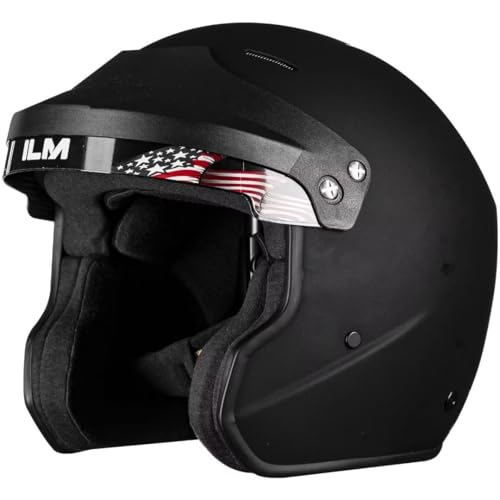
ILM Model R85 Open Face
ADVANTAGES
LIMITATIONS
For drivers who prioritize maximum airflow and unobstructed visibility, the ILM Model R85 open-face helmet is a breath of fresh air—literally—delivering Snell SA2020 safety in a lightweight, vent-rich package designed for hot climates and short-track intensity. The GFRP composite shell keeps weight down while maintaining structural integrity, and the 40mm removable sunshade strap is a standout feature, letting racers block glare on sunny afternoons and remove it when clouds roll in. With front and rear ventilation channels, this helmet excels in heat dissipation, making it a top pick for dirt track, vintage racing, or any discipline where cockpit temps soar.
On track, the open-face design offers unmatched peripheral vision and hearing, allowing drivers to better judge proximity and engine notes—critical in close-quarters racing. The fire-retardant liner adds safety without trapping heat, and the HANS-compatible M6 inserts ensure you can still use modern head and neck restraints, a must for serious competition. However, the lack of a chin bar means it’s not suitable for high-speed circuit racing or any environment with debris risk. The double D-ring strap is secure, but the exposed mouth area can feel vulnerable in crashes or windy conditions.
Compared to the Conquer SA2025 open-face model, the ILM R85 offers better ventilation and a more user-friendly sunshade system, though it lacks future-proof SA2025 certification. While full-face helmets like the RACEQUIP PRO20 offer more protection, the R85 wins in cooling and situational awareness, making it ideal for drivers in short oval, drag, or vintage racing where open-face rules apply. If you need a light, cool, and certified open-face helmet that doesn’t skimp on safety, this one delivers smart functionality and real track focus, outperforming entry-level models with thoughtful design.
Conquer Snell SA2025 Open Face

ADVANTAGES
LIMITATIONS
The Conquer SA2025 open-face helmet is a forward-thinking choice for racers who want to stay ahead of safety regulations, offering Snell SA2025 certification—the latest benchmark in motorsport protection—making it the best option for future-proof compliance. Built with a lightweight fiberglass shell and removable fire-retardant cheek pads, it balances safety and comfort, while the integrated airflow vents keep your head cool during long stints in vintage or short-track racing. The Kevlar chin strap ensures durability, and HANS-compatible threaded inserts mean you can use it in modern safety setups despite its open-face layout.
In real use, this helmet feels light and airy, with a low-profile design that reduces neck strain and enhances hearing—perfect for drivers who rely on auditory cues. The ventilation system works well at speed, pulling hot air out efficiently, though it can feel drafty at lower speeds. The interior padding is soft and breathable, but some users report the cheek pads shift slightly during aggressive cornering. While it lacks a built-in sunshade like the ILM R85, its clean front profile makes it easy to pair with goggles or external shields. It’s not meant for high-speed circuits, but for club-level oval or drag racing, it performs reliably.
Against the ILM R85, this Conquer model trades current comfort features for next-gen certification, making it better suited for racers planning multi-year use. While the R85 wins on ventilation and sun protection, the SA2025 rating gives Conquer a clear edge as Snell SA2020 expires. For drivers who race frequently and want to avoid upgrading soon, this helmet offers long-term value and peace of mind, delivering modern safety in a classic open-face form—a smart investment over budget SA2020 models that may soon be obsolete.
Conquer Snell SA2020 Full Face

ADVANTAGES
LIMITATIONS
The Conquer SA2020 full-face helmet is a no-frills, budget-savvy entry that delivers essential race safety without the premium price, making it the best budget-friendly option for first-time racers or those needing a reliable backup. It packs the Snell SA2020-certified fiberglass composite shell, a 3mm anti-scratch face shield with tear-off posts, and a fire-retardant interior—all the basics you need to pass tech inspection and hit the track with confidence. The soft carry bag included is a nice touch, protecting your investment during transport, and the lightweight build reduces neck fatigue during long sessions.
Performance-wise, it handles impacts well thanks to its EPS liner, and the airflow venting provides decent cooling, though not as effective as the RACEQUIP or ILM models with more advanced ducting. The shield seals well and resists fogging in moderate conditions, but the pivot mechanism feels plasticky compared to metal-hinged competitors. It’s HANS-ready with M6 inserts, so it supports modern safety gear, and the interior is comfortable right out of the box—though some may find it runs slightly tight after extended wear. It’s not luxurious, but it’s fully functional and safety-compliant.
Compared to the RACEQUIP PRO20, this Conquer model sacrifices premium materials and fine-tuned ventilation for affordability, but still matches it in core safety standards. While the ILM 760 offers a built-in sunshade and better padding, this helmet wins on pure cost efficiency. For drivers who need a certified, no-nonsense full-face helmet for occasional track days or sprint racing, it’s a solid foundation—proving you don’t need to spend top dollar to race safely, even if you give up some refinement.
Car Racing Helmet Comparison
| Product | Certification | Shell Material | HANS Compatibility | Visor Features | Ventilation | Best For |
|---|---|---|---|---|---|---|
| RACEQUIP PRO20 Full Face | SA2020 | FRP Composite | Yes | 3mm Polycarbonate, Low Fog | Good | Best Overall |
| Conquer Snell SA2020 Full Face | SA2020 | Fiberglass Composite | No | 3mm Anti-scratch, Flame Resistant, Tear-off Posts | Airflow Venting | Best Budget Friendly |
| Conquer Snell SA2025 Open Face | SA2025 | Fiberglass | Yes | Not specified | Airflow Venting | Best for Future-Proof Certification |
| ILM Model 760 Full Face | SA2020 | Fiber Reinforce Plastic (FRP) | Yes | Tear-off Posts, 40mm Sunshade | Not specified | Best Value Full Face |
| ILM Model R85 Open Face | SA2020 | Fiber Reinforce Plastic (GFRP) | Yes | 40mm Sunshade | Front & Back Vents | Best Open Face Design |
| RACEQUIP PRO20 Flat Black | SA2020 | FRP Composite | Yes | 3mm Polycarbonate, Low Fog | Good | Best Ventilation & Fit |
How We Evaluated Car Racing Helmets
Our recommendations for the best car racing helmet are built on a foundation of data analysis and research, prioritizing safety and performance. We began by compiling a list of helmets meeting Snell SA2020 and SA2025 certifications – a non-negotiable safety requirement. We then analyzed product specifications, focusing on shell materials (fiberglass, FRP, carbon fiber) and their impact on weight and strength. Comparative analyses were conducted across key features like visor types (anti-scratch, UV protection, tear-off compatibility), ventilation systems, and HANS/HNR compatibility, referencing manufacturer specifications and user reviews from motorsport communities.
We assessed real-world feedback from racing forums, driver reviews, and professional motorsport publications to gauge comfort, fit consistency, and durability. Where available, we examined independent impact test data (though publicly available data is limited) to supplement Snell certifications. Finally, we considered price points relative to features and materials, aiming to identify car racing helmets offering the best value within different budget ranges. This data-driven approach ensures our selections prioritize both driver safety and performance on the track.
Choosing the Right Car Racing Helmet: A Buyer’s Guide
Safety Certifications: Your First Priority
The most crucial aspect of any racing helmet is its safety certification. Look for helmets certified to Snell standards (SA2020, SA2025 being current). Snell certification indicates the helmet has undergone rigorous impact and penetration testing. SA2025 is the newest standard, offering the most up-to-date safety technology, making it a future-proof option. However, SA2020 helmets are still widely accepted and more budget-friendly. Never use a helmet not specifically designed and certified for motorsport; DOT approval alone is insufficient for racing.
Shell Material & Construction
The shell material significantly impacts weight, strength, and cost. Fiberglass composite shells (found in Conquer helmets) offer a good balance of protection and affordability. FRP (Fiber Reinforced Plastic) is another common material (ILM models) providing a lightweight yet robust shell. While more expensive, carbon fiber shells offer the highest strength-to-weight ratio. Consider the trade-off between budget and the benefits of a lighter, stronger shell. A lighter helmet reduces neck fatigue during long races.
Visor Features & Compatibility
The visor is your primary line of defense against debris and glare. Look for visors that are anti-scratch and offer UV protection. Some helmets (like the ILM Model 760) include integrated sun visors, which can be extremely helpful in bright conditions. Compatibility with tear-offs is also essential, allowing you to quickly replace a scratched or dirty visor during a race. Check if the helmet has tear-off posts, and consider how easy they are to operate.
Fit and Comfort
A properly fitting helmet is paramount for both safety and comfort. A loose helmet won’t provide adequate protection, while a too-tight helmet can cause discomfort and distraction. Many helmets (like RACEQUIP PRO20) feature adjustable cheek pads and liners to customize the fit. Ensure the helmet feels snug but not overly tight, and doesn’t move excessively when you shake your head. Consider if you plan to wear a balaclava or headset, and factor that into the fit.
Additional Features
- HANS/HNR Compatibility: If you plan to use a Head and Neck Restraint (HANS/HNR) device, ensure the helmet has M6 threaded inserts (many models offer this or have them available separately).
- Ventilation: Adequate ventilation is crucial to prevent overheating. Look for helmets with multiple vents and adjustable airflow.
- Interior Padding: Fire-retardant padding is a safety necessity. Removable and washable padding adds to comfort and hygiene.
- Chin Strap: A secure double D-ring chin strap is the standard for racing helmets.
- Aerodynamics: Some helmets (RACEQUIP PRO20) feature aerodynamic designs with chin spoilers to improve stability at high speeds.
The Bottom Line
Choosing the right car racing helmet is a critical decision, directly impacting your safety and performance on the track. As our comparison shows, options range from budget-friendly choices like the Conquer Snell SA2020, to feature-rich models such as the RACEQUIP PRO20, each catering to different needs and budgets.
Ultimately, prioritize Snell certification and a secure, comfortable fit above all else. By carefully considering shell material, visor features, and compatibility with safety devices like HANS, you can confidently select a helmet that provides the protection and performance required for competitive racing.
