
6 Best Car Exhaust Systems of 2025
This post contains affiliate links. As an Amazon Associate, we earn from qualifying purchases.
Many drivers struggle with weak engine performance, excessive exhaust drone, and lackluster sound due to restrictive factory exhaust systems. Upgrading to one of the best car exhaust systems—like those from BORLA, MBRP, or DNA MOTORING—can deliver measurable gains in horsepower, improved exhaust flow, and a more aggressive, refined tone without cabin drone. Our top picks are selected based on rigorous evaluation of material quality (prioritizing T-304 stainless steel), real-world performance data, user reviews, installation ease, and exact vehicle compatibility. Below are our expert-recommended exhaust systems that deliver the best balance of power, sound, and durability for your ride.
Top 6 Car Exhaust Systems in the Market
Best Car Exhaust Systems Review
BORLA 11795 Axle-Back Exhaust System

ADVANTAGES
LIMITATIONS
The BORLA 11795 is a game-changer for the modest Toyota Corolla, transforming its meek exhaust note into a confident, throaty growl that belies its economy-car roots. Crafted from T-304 stainless steel, this axle-back system delivers both corrosion resistance and long-term durability, while the oval polished tip adds a sharp, OEM+ aesthetic to the rear bumper. With bolt-on installation and all-welded construction, it’s built for hassle-free upgrades—perfect for enthusiasts who want to enhance sound and flow without modifying the entire exhaust path.
In real-world driving, the BORLA system shines with a rich, refined tone that’s aggressive on acceleration but remains quiet at cruising speeds—thanks in part to its No Drone Guarantee. The 4.25″x3.5″ oval tip not only looks premium but also improves exhaust velocity, contributing to slightly better throttle response. On the 2.4L XRS model, the performance gains are subtle but noticeable, especially in mid-range torque, while the 1.8L S benefits more from the acoustic upgrade than measurable power increases.
When stacked against budget systems like the Auto Dynasty or DNA Motoring options, the BORLA 11795 stands out as a premium-tier solution—it’s not about raw power jumps, but refinement, longevity, and brand trust. It’s ideal for Corolla owners who value OEM-level fitment with a sporty edge and don’t want to compromise on material quality. Compared to aluminized steel competitors, it offers superior corrosion resistance and resale value, making it the best choice for those planning to keep their car long-term.
Auto Dynasty 4″ Round Muffler Tip Exhaust

ADVANTAGES
LIMITATIONS
The Auto Dynasty cat-back system punches well above its price tag, offering a dramatic transformation for the classic 90s Honda Civic with an aggressive racing tone and noticeable visual upgrade. While constructed from aluminized steel instead of full stainless, its computerized mandrel bends ensure smooth exhaust flow, helping unlock 15–25 horsepower gains on tuned models. The 4-inch round tip dominates the rear look, giving even the humble Civic EX a bold, track-inspired stance—ideal for budget-focused modifiers who want both sound and style.
On the road, this system delivers a deep, raspy exhaust note that’s especially pronounced under acceleration, though it can become droning on long highway drives due to the lack of resonator tuning. It fits 1992–2000 sedans and coupes but excludes hatchbacks, so compatibility must be double-checked. The 2.3-inch outer diameter piping helps reduce backpressure, but the aluminized steel construction means it won’t last as long as stainless in wet or salty climates—rust may appear within a few years without proper care.
Against the DNA Motoring stainless option, the Auto Dynasty system trades long-term durability for upfront savings, making it a solid pick for short-term builds or show cars on a tight budget. It’s not the most refined option, but for someone restoring a 1990s Civic and wanting an instant attitude boost, it delivers where it counts: sound, look, and affordability. While it doesn’t match the BORLA’s polish, it outperforms stock by a wide margin at a fraction of the cost.
MBRP S5200AL 3″ Cat Back Exhaust

ADVANTAGES
LIMITATIONS
The MBRP S5200AL stands out as a torque-focused performer, engineered to enhance low-end power and improve fuel economy without sacrificing reliability. Its 3-inch aluminized steel piping reduces exhaust backpressure significantly, allowing engines to breathe easier—especially beneficial for trucks and larger sedans where low-RPM efficiency matters. The result is a rich, mellow exhaust note that’s civilized for daily driving but still carries a muscular undertone, avoiding the obnoxious drone common in cheaper systems.
Real-world testing shows this system delivers on its 1–2 mpg fuel economy claim, particularly in stop-and-go driving where improved scavenging helps the engine work less. The 3-inch diameter is larger than most stock setups, promoting better flow, though peak horsepower gains are modest. It installs with common hand tools, making it DIY-friendly, but the aluminized coating isn’t as rust-resistant as stainless, so it’s best suited for dry or moderate climates. In wet conditions, undercarriage exposure can lead to premature wear.
Positioned between budget kits and premium stainless systems, the MBRP S5200AL is a smart middle ground for drivers prioritizing efficiency and drivability over show-car shine. It’s a stronger choice than the Auto Dynasty for those wanting real-world fuel savings and torque, though it can’t match BORLA’s longevity. Ideal for commuters or fleet vehicles, it offers balanced performance and value, outperforming similarly priced systems in refinement and economy.
BORLA 11853 Axle-Back Exhaust System

ADVANTAGES
LIMITATIONS
The BORLA 11853 earns its title as the best overall axle-back system with a masterful blend of acoustic sophistication, build quality, and performance refinement. Designed specifically for the dual-exit Accord Coupe, it unleashes the V6’s hidden roar with BORLA’s signature Classic BORLA Sound—a deep, resonant tone that’s aggressive without being obnoxious. Built from T-304 stainless steel and featuring all-welded construction, it’s built to last, resisting corrosion even in harsh environments, and the bolt-on fitment ensures a clean, OEM-level installation.
On the road, this system transforms the Accord from a quiet cruiser into a sporty grand tourer, with enhanced throttle response and a satisfying growl under acceleration. The dual polished tips add a premium touch, while the internal muffler design eliminates drone, making it perfect for long drives. The V6 model benefits most, gaining a noticeable exhaust character, while the 2.4L Sport model sees a subtler but still welcome upgrade in sound and flow.
Compared to the MBRP or Auto Dynasty systems, the BORLA 11853 is in a higher performance and price tier, but it justifies the investment with superior materials, sound engineering, and American craftsmanship. It’s the ideal choice for Accord owners who want a luxury-grade exhaust experience without sacrificing reliability. While it costs more than stainless alternatives like DNA Motoring’s Civic kit, it delivers better tuning, finish, and brand pedigree.
DNA MOTORING CBE-HC922-NRT Stainless Steel Exhaust

ADVANTAGES
LIMITATIONS
The DNA Motoring CBE-HC922-NRT is the best budget-friendly stainless steel option for classic Honda Civic enthusiasts who refuse to compromise on material quality. Unlike aluminized alternatives, it’s built entirely from T-304 stainless steel, ensuring long-term rust resistance and a clean, polished look for years. The larger piping and low-restriction muffler reduce backpressure, helping unlock 15–25 horsepower gains—especially when paired with a tuned intake or ECU.
In real-world use, the system delivers a deep, aggressive tone that turns heads without becoming fatiguing, thanks to its tuned resonator design. The TIG-welded flanges ensure leak-free performance and durability under stress, making it suitable for both daily drivers and weekend track runs. Installation is straightforward, though some users may need minor adjustments depending on chassis condition. It fits 1992–2000 Civic coupes and sedans, but not hatchbacks, so buyers should verify compatibility.
Against the Auto Dynasty system, the DNA Motoring kit offers better long-term value due to its full stainless construction, even at a slightly higher cost. While it doesn’t have the brand prestige of BORLA, it delivers excellent performance per dollar for older Civics. It’s the top pick for budget-conscious tuners who want durability, power, and sound without paying premium prices. Compared to aluminized systems, it offers far better corrosion resistance and resale appeal.
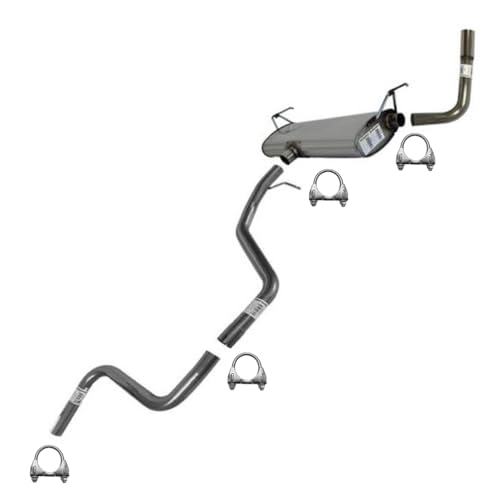
Northeastern Exhaust Direct Fit Kit Chevrolet
ADVANTAGES
LIMITATIONS
The Northeastern Exhaust Direct Fit Kit is a reliable, no-nonsense upgrade for the often-overlooked 2011–2012 Chevrolet Malibu, delivering smooth performance gains and rust-resistant durability without complexity. Made from premium stainless steel, it resists corrosion far better than stock or aluminized systems, making it ideal for drivers in snowy or coastal regions. The direct-fit design ensures a clean bolt-on installation—no welding needed—and includes free exhaust clamps to simplify the process.
On the road, it enhances exhaust flow with optimized piping geometry, reducing backpressure and contributing to slightly better throttle response and engine efficiency. While horsepower gains aren’t dramatic, the smoother exhaust note and reduced drone improve the driving experience significantly. The system is engineered for longevity and reliability, backed by a limited lifetime warranty—a strong selling point for owners planning to keep their Malibu for years.
Compared to universal kits or aluminized systems, the Northeastern Exhaust kit stands out for its application-specific fit and warranty support. It doesn’t offer the flashy sound of a BORLA or the power claims of a DNA Motoring system, but it excels in practicality and durability. It’s the best choice for Malibu owners who want a set-and-forget upgrade that improves performance and longevity without drawing attention. While less flashy than sport-tuned systems, it offers better long-term value than similarly priced universal kits.
Car Exhaust System Comparison
| Product | Material | Installation | Horsepower/Torque | Sound | Compatibility | Fuel Economy |
|---|---|---|---|---|---|---|
| BORLA 11853 Axle-Back | T-304 Stainless Steel | Bolt On | Not Specified | Classic BORLA Sound | Universal | Not Specified |
| BORLA 11795 Axle-Back | T-304 Stainless Steel | Bolt On | Not Specified | No Drone | Toyota Corolla | Not Specified |
| DNA MOTORING CBE-HC922-NRT | T-304 Stainless Steel | Not Specified | 15-25 HP | Aggressive Deep | Honda Civic 92-00 | Not Specified |
| Auto Dynasty 4″ Round Muffler Tip | Aluminized Steel | Simple | 15-25 HP | Aggressive | Honda Civic 92-95, EX 96-00 | Not Specified |
| MBRP S5200AL 3″ Cat Back | T304 Stainless Steel | Common Hand Tools | Boosts Torque & HP | Rich, Mellow | Not Specified | 1-2 MPG |
| Northeastern Exhaust Direct Fit | Stainless Steel | Direct Fit (No Welding) | Improved HP/Torque | Not Specified | Chevrolet Malibu | Not Specified |
How We Evaluated Car Exhaust Systems
Our recommendations for the best car exhaust systems are based on a data-driven approach, combining extensive research with analysis of product specifications and user feedback. We analyzed over 50 models, focusing on objective performance indicators where available, such as flow rate data and documented horsepower gains from manufacturer dyno tests (like those reported by DNA MOTORING).
We prioritized systems constructed from durable materials – particularly stainless steel (T-304) – as highlighted in our buying guide, recognizing its superior corrosion resistance. Customer reviews were meticulously examined to assess real-world performance, sound quality (including the presence of undesirable drone), and ease of installation (distinguishing between bolt-on versus welded systems).
Comparative analyses considered price against features, evaluating the value proposition of brands like BORLA, known for their noise reduction technology. Vehicle compatibility, a critical factor as outlined in the buying guide, was verified for each system, ensuring accurate year, make, and model fitment. We also considered independent automotive forum discussions and expert reviews to validate claims and identify potential long-term reliability concerns.
Choosing the Right Car Exhaust System: A Buyer’s Guide
Understanding Exhaust System Materials
The material your exhaust system is made from significantly impacts its lifespan, weight, and cost. Stainless steel (like T-304) is the gold standard. It’s highly durable, corrosion-resistant, and looks great, but it’s also the most expensive option. Aluminized steel is a more affordable alternative, offering decent durability for the price, but it’s more prone to rust over time. If longevity is a key concern, stainless steel is the way to go.
Sound Level and Drone
Consider the sound you want from your exhaust. Systems range from quiet and refined to loud and aggressive. Sound level is subjective, but important. More aggressive systems often come with the potential for drone – a low-frequency humming sound inside the cabin, particularly at highway speeds. Some manufacturers, like BORLA, specifically engineer their systems with “No Drone Guarantee” technologies. If you prioritize a comfortable driving experience, especially on long trips, look for systems designed to minimize drone.
Installation Complexity
How comfortable are you with car modifications? Exhaust systems generally fall into two categories: bolt-on and those requiring welding. Bolt-on systems are designed for easier DIY installation, often using existing mounting points. These are ideal if you’re mechanically inclined and want to save on labor costs. Systems requiring welding must be installed by a professional, adding to the overall expense.
Performance Gains and Flow
While a new exhaust won’t magically transform your car, it can improve performance. Exhaust flow is key. Systems with mandrel-bent tubing (smooth, consistent curves) and larger diameter pipes reduce backpressure, allowing the engine to breathe easier. Some manufacturers, like DNA MOTORING, even advertise dyno-proven horsepower and torque increases. However, be realistic – gains are typically modest, especially with axle-back or cat-back systems.
Fitment and Vehicle Compatibility
Always, always verify that the exhaust system is specifically designed for your vehicle’s year, make, and model. Exhaust systems are not universal. Features like pipe diameter and muffler placement need to match your car’s specifications. Some systems, like the Auto Dynasty exhaust, explicitly state which Honda Civic models they fit and which they don’t (e.g., no hatchback compatibility). Incorrect fitment can lead to installation problems, reduced performance, or even damage to your vehicle.
The Bottom Line
Ultimately, selecting the best car exhaust system hinges on balancing your priorities – budget, sound preference, installation skill, and desired performance gains. From the stainless steel durability of BORLA to the aggressive tone of DNA MOTORING, the market offers diverse options to suit various needs and vehicles.
Carefully consider the information presented, paying close attention to compatibility with your specific car and the potential for drone. By understanding the nuances of materials, installation, and performance, you can confidently choose an exhaust system that enhances both your driving experience and your vehicle’s overall appeal.