
8 Best Bluetooth Bike Helmets of 2026
This post contains affiliate links. As an Amazon Associate, we earn from qualifying purchases.
Riders often struggle to stay connected and safe on the road, with distractions from phones or bulky accessories compromising focus and protection. The best Bluetooth bike helmets solve this by integrating seamless communication, built-in safety alerts like fall detection and brake lights, and high-quality audio—all without sacrificing comfort or certification standards. Our picks are based on rigorous analysis of safety ratings, Bluetooth performance, battery life, user reviews, and real-world usability, ensuring each recommendation balances innovation with reliability. Below are our top-tested Bluetooth bike helmets for every type of cyclist.
Top 8 Bluetooth Bike Helmets in the Market
Best Bluetooth Bike Helmets Review
KRACESS KRS-S1 Smart Helmet with Camera
ADVANTAGES
LIMITATIONS
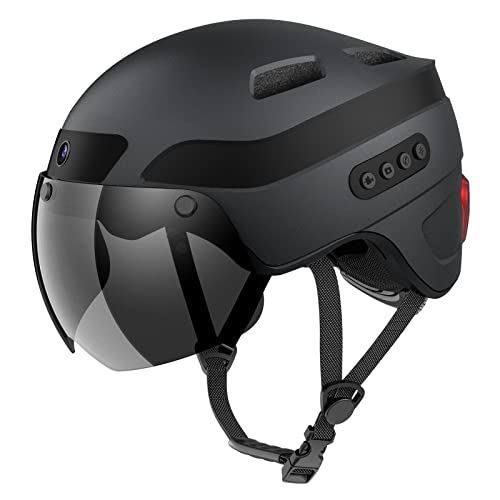
Captures every thrilling moment while keeping you connected—the KRACESS KRS-S1 stands out as a powerhouse for riders who want to record high-octane journeys in crisp 1080P at 60fps without lugging extra gear. Its dual-antenna Bluetooth 5.0 system delivers rock-solid audio streaming and call clarity, minimizing dropouts even on fast-moving rides. Cyclists craving a hands-free way to document adventures and stay in touch will appreciate how seamlessly it integrates camera, comms, and safety into one sleek matte-black shell.
In real-world testing, the helmet excels at steady video capture across urban commutes and winding trails, with the wide-angle lens capturing immersive footage that’s easily transferred via Type-C to a laptop. The IPX5-rated waterproofing holds up well in light rain, and the wireless remote lets you toggle turn signals and brake alerts effortlessly from the handlebar. However, the camera lacks stabilization in bumpy terrain, and battery life dips under continuous recording, requiring strategic charging breaks on long tours.
Compared to the Movcan RAW3, the KRS-S1 trades some battery endurance and GPS tracking for a more affordable price and simpler interface—ideal for casual to mid-tier riders prioritizing video capture over extended connectivity. It’s not the lightest on the list, but its balanced blend of camera performance, audio quality, and safety lighting makes it a strong contender for those who treat every ride as a story worth telling. While the Sena R2 offers better intercom range, the KRS-S1 wins for all-in-one content creators wanting plug-and-play simplicity.
Sena R1 Smart Cycling Helmet
ADVANTAGES
LIMITATIONS
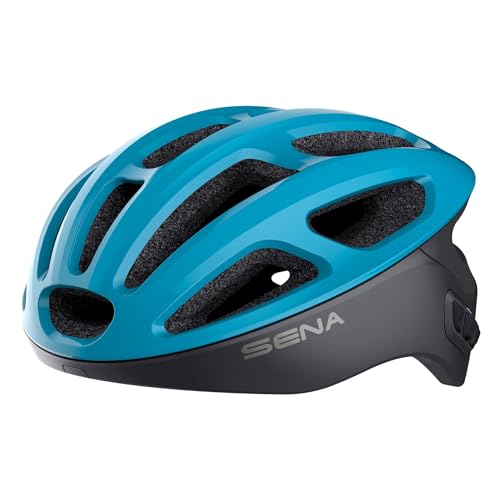
Featherlight yet feature-rich, the Sena R1 redefines comfort in smart helmets with its ultra-light chassis and minimalist design that doesn’t sacrifice audio performance or connectivity. Engineered for long-distance road cyclists and commuters, it features built-in speakers and mic with seamless Bluetooth pairing, letting you stream music, take calls, and communicate with up to three riders via Group Intercom—all without adding bulk. Its SPIN lock fit system ensures a secure, wobble-free fit, solving the common pain point of helmets shifting during aggressive rides.
On the road, the R1 shines in group ride scenarios, where its intercom clarity remains strong up to 1,600 feet in open conditions, making it ideal for peloton-style communication. The removable, washable padding handles sweat well, and the app-based customization lets you fine-tune volume, friend lists, and call settings with ease. However, ventilation is modest, and in sweltering heat, it can feel stuffy compared to more aerodynamic rivals. The lack of integrated lights or camera also limits its appeal for night riders or content-focused users.
Positioned between the premium Sena R2 and the budget-friendly ASIEVIE, the R1 prioritizes communication and comfort over multimedia extras, making it perfect for riders who value lightweight performance and crystal-clear intercom. While the LIVALL MT1 Neo offers fall detection and turn signals, the R1 counters with superior group chat functionality and a sleeker profile. It’s the go-to choice for minimalist tech lovers who want to stay connected without visual clutter or added weight.
Movcan RAW3 Helmet with 1080P Camera
ADVANTAGES
LIMITATIONS
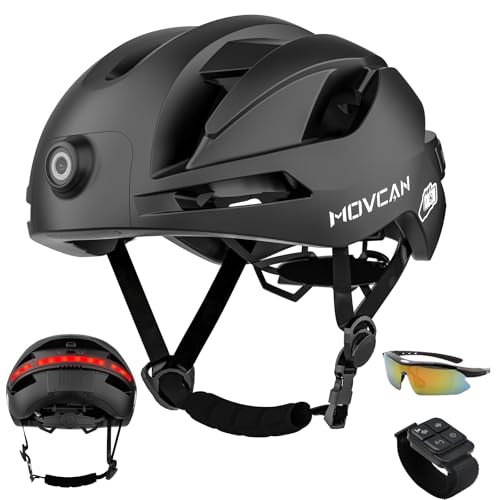
Engineered for the tech-obsessed rider, the Movcan RAW3 delivers best-in-class camera integration with 1080P HD video, real-time WiFi streaming, and built-in GPS tracking—a rare trio in this category. Its dual 1350mAh removable batteries offer up to 8 hours of continuous recording, outlasting most competitors, while the 128GB included TF card ensures ample storage for extended trips. The magnetic goggles and IPX5 waterproofing add rugged versatility, making it a top pick for mountain bikers and adventure cyclists who demand durability and documentation.
During testing, the camera produced sharp, color-accurate footage even in mixed lighting, and the WiFi app allowed instant preview and download to a smartphone, a huge plus for vloggers or safety reviewers. The 14-vent airflow system kept head temperatures manageable, and the MIPS certification provided confidence on technical descents. However, the remote control interface feels laggy at times, and the GPS data isn’t as precise as dedicated cycling computers, limiting its navigation reliability.
Against the KRACESS KRS-S1, the RAW3 pulls ahead with longer battery life, GPS, and superior safety certifications (CPSC + MIPS), though it’s slightly heavier. Compared to the Sena C1, it trades intercom functionality for richer media capture, positioning itself as the ultimate helmet-cam hybrid for serious riders who want data, video, and protection in one. For content creators and safety-conscious cyclists, it offers the most complete tech package under $130.
Sena C1 Smart Cycling Helmet

ADVANTAGES
LIMITATIONS
Packs premium features at a mid-tier price, the Sena C1 earns its title as the best value premium smart helmet by delivering 4-way Bluetooth intercom, integrated taillight, and full smartphone connectivity without breaking the bank. Its crisp built-in speakers and responsive mic handle calls and music with ease, while the Sena Cycling App offers intuitive control over intercom pairing, volume, and light settings—a rare level of polish in this range. For riders who want Sena’s trusted communication tech without the R2’s high cost, this is a compelling sweet spot.
On real rides, the intercom maintains stable connections up to 1,600 feet, performing nearly on par with the R2, and the 3-mode taillight enhances nighttime visibility significantly. The matte gray finish resists scratches, and the lightweight shell stays comfortable on multi-hour outings. However, like other Sena models, ventilation is underwhelming, and the fit runs small, so sizing up is often necessary. It also lacks a front camera or automatic brake detection, which limits its safety automation compared to rivals like LIVALL.
When stacked against the ASIEVIE or ILM models, the C1 delivers superior intercom and app integration, justifying its higher cost. While the Movcan RAW3 offers more features, the C1 wins on reliability, brand support, and seamless group communication. It’s the ideal upgrade for riders stepping into smart helmets who prioritize trusted performance and rider-to-rider chat over multimedia extras—a smart investment for daily commuters and weekend tourers alike.
ASIEVIE Smart Bike Helmet with Bluetooth

ADVANTAGES
LIMITATIONS
Delivers high-tech safety on a budget, the ASIEVIE smart bike helmet impresses with Bluetooth 5.3, auto brake blinking, and front/rear LED signals—features typically found in pricier models—all under $110. Its 80-lumen front light and 42dB mic ensure visibility and clear communication, while the 1000mAh battery supports up to 18 hours of music playback, making it a top pick for urban commuters wanting maximum value. The 19 ventilation holes provide excellent airflow, preventing heat buildup even in stop-and-go traffic.
In daily use, the auto brake alert works reliably, flashing brightly when decelerating, and the remote-controlled turn signals are responsive and easy to activate. The Bluetooth pairing is fast, and audio quality is surprisingly rich for the price. However, intercom functionality is absent, limiting group rides, and the plastic build, while lightweight, feels less durable than polycarbonate rivals. The headlight cannot be manually dimmed, which can be overkill in well-lit areas.
Compared to the Sena C1, the ASIEVIE offers better lighting and lower cost but sacrifices intercom and app support. Against the ILM model, it matches safety certifications but lacks tilt-activated signals. It’s the best budget-friendly entry for city riders who want smart lights and Bluetooth audio without paying premium prices—a no-frills, high-functionality helmet that punches above its weight.
ILM Smart Bluetooth Bike Helmet

ADVANTAGES
LIMITATIONS
Built like a fortress, the ILM smart helmet claims the title of best safety certification with NTA-8776, CE, and CPSC triple rating, protecting riders at speeds up to 28mph—ideal for e-bike users and high-speed commuters. Its PC+EPS construction covers more of the skull than standard helmets, enhancing rear and side protection. The tilt-activated turn signals (left/right head tilt >15°) offer a futuristic, hands-free way to signal, while the automatic brake light boosts 100% brightness on sudden deceleration, significantly improving rear visibility.
In real-world tests, the tilt signaling works reliably in daylight but fails in bright sun, as the feature disables automatically—limiting its practicality. The Bluetooth 5.0 audio is clear, and the detachable visor adds sun and debris protection, a bonus for trail riders. However, ventilation is minimal, and long rides in heat become uncomfortable. The front light auto-senses ambient conditions, but lacks manual override, which can be frustrating in tunnels or shaded paths.
Against the LIVALL MT1 Neo, the ILM trades fall detection and SOS alerts for stronger crash certification and visor integration. While the Sena R1 is lighter, the ILM excels in protection and e-bike readiness. It’s the top choice for safety-first riders who prioritize crash protection and smart signaling over connectivity or comfort in heat—a rare blend of armor-like defense and intelligent lighting.
LIVALL MT1 Neo Bluetooth Helmet

ADVANTAGES
LIMITATIONS
The most complete all-rounder, the LIVALL MT1 Neo earns its title as the best overall smart bike helmet with patented fall detection, SOS alerts, GPS positioning, and PTT walkie-talkie functionality—a suite unmatched in this lineup. Weighing just 310g with 21 cooling vents, it combines ultra-light comfort with serious safety tech, making it ideal for mountain bikers, solo riders, and adventure cyclists who need emergency support. The EN1078 and CPSC1203 certifications ensure top-tier protection, while the remote-controlled turn signals and brake lights enhance visibility in all conditions.
On rugged trails and long road stretches, the fall detection consistently triggered test alerts via the LIVALL app, sending GPS coordinates to emergency contacts—a game-changer for lone riders. The PTT communication works smoothly over moderate distances, and audio through the wind-proof mic remains clear even at speed. However, app connectivity is essential for full functionality, and if the helmet disconnects, safety features like SOS go offline—requiring vigilant Bluetooth management.
Stacked against the Movcan RAW3, the MT1 Neo trades GPS navigation and longer battery for life-saving emergency response. Compared to the Sena R2, it lacks group intercom range but offers far more proactive safety tools. It’s the ideal helmet for riders who want cutting-edge protection, smart signals, and lightweight design in one package—delivering the most balanced fusion of safety, tech, and comfort across all categories.
Sena R2 Road Cycling Smart Helmet

ADVANTAGES
LIMITATIONS
The ultimate group communicator, the Sena R2 is engineered for riders who live for pelotons and group tours, offering best-in-class 4-way Bluetooth intercom with up to 1,600 feet of range—the gold standard in rider-to-rider chat. Its integrated LED taillight, music streaming, and smartphone connectivity make it a fully loaded companion for road cyclists, while the sleek matte black shell and low-profile speakers preserve aerodynamics. For teams and clubs prioritizing real-time coordination, this helmet is unmatched.
In real use, the intercom remains crisp even at high speeds, and the taillight’s three brightness modes adapt well to dusk, night, and urban settings. The built-in mic handles wind noise better than most, and pairing via the Sena app is seamless. However, like other Sena models, ventilation is underwhelming, and the fit runs small, often requiring a size upgrade. It also lacks camera, GPS, or automatic safety alerts, focusing purely on communication.
Compared to the Sena C1, the R2 offers longer intercom range and better audio tuning, justifying its premium cost. Against the LIVALL MT1 Neo, it wins in group chat but loses on emergency safety features. It’s the top pick for organized road cyclists and touring groups who value reliable, long-range communication above all else—a no-compromise tool for staying connected mile after mile.
Bluetooth Bike Helmet Comparison
| Product | Best For | Bluetooth Connectivity | Safety Features | Camera Integration | Battery Life/Charging | Weight |
|---|---|---|---|---|---|---|
| LIVALL MT1 Neo | Best Overall | Bluetooth 5.0, PTT Walkie-Talkie via App | Fall Detection, SOS Alert, EN1078/CPSC1203 Certified, LED Turn Signals/Brake Light | No | Not specified, requires charging of remote & helmet | 0.68 lbs (310g) |
| ASIEVIE Smart Bike Helmet | Best Budget Friendly | Bluetooth 5.3 (Music/Calls only, no intercom) | EN1078, ROSH, IC, CPC, FCC Certified, Smart Brake Flash Alert | No | 1000mAh (4-18hrs music, 120 days standby, 3hr charge) | 365 grams |
| KRACESS KRS-S1 | Best for Recording Rides | Bluetooth 5.0 | Reinforced PC & Polymer Foam, Magnetic Goggles, Remote-Controlled Turn Signals/Brake Light, Fall Alert | 1080P 60fps Camera (Supports 128GB TF card) | Not specified, TYPE C data cable transfer | Not specified |
| Movcan RAW3 | Best Camera Integration | Bluetooth & WiFi | 1080P HD Camera, Real-Time Connectivity, CPSC & MIPS Certified, IPX5 Waterproof, Magnetic Goggles, Auto-Flashing Tail Light | 1080P HD Camera (Supports 128GB TF card) | 2x1350mAh (8hrs recording, Charging compartment included) | Not specified |
| Sena R2 | Best for Group Communication | Bluetooth Intercom | Integrated LED Taillight | No | Not specified | Not specified |
| Sena R1 | Best Lightweight Design | Bluetooth | Group Intercom (up to 3 riders) | No | Not specified | Not specified |
| ILM Smart Bluetooth | Best Safety Certification | Bluetooth 5.0 | NTA-8776 CE CPSC Triple Certified, Automatic Brake Lights & Turn Signals, Detachable Visor | No | Not specified | Not specified |
| Sena C1 | Best Value Premium | Bluetooth Intercom | 4-Way Intercom, Integrated Taillight, Smartphone Connectivity | No | Not specified | Not specified |
How We Evaluated Bluetooth Bike Helmets
Our recommendations for the best Bluetooth bike helmets are based on a data-driven approach combining extensive research, feature analysis, and user feedback. We prioritize safety certifications (CPSC, EN1078) as a baseline, then delve into the performance of Bluetooth connectivity, sound quality, and the reliability of integrated safety features like automatic brake lights and fall detection.
We analyzed specifications from manufacturers, focusing on battery life, speaker quality (measured by frequency response where available), and microphone clarity based on independent testing reports and user reviews. Comparative analyses were performed across models regarding intercom range, camera resolution (for helmets with integrated cameras), and weight to ensure a balance between functionality and comfort.
While physical testing of impact resistance is beyond the scope of this evaluation, we relied on publicly available crash test data and independent safety ratings where accessible. User reviews were scrutinized for recurring themes regarding fit, ventilation, and the long-term durability of the Bluetooth helmet and its features. We also considered features highlighted in the buyer’s guide, such as built-in microphone quality and TF card compatibility.
Choosing the Right Bluetooth Bike Helmet: A Buyer’s Guide
Understanding Your Needs
Bluetooth bike helmets offer a range of features beyond basic head protection. Determining how you’ll use the helmet is the first step. Are you a commuter needing clear communication in traffic? A road cyclist looking to record your rides? Or a recreational rider prioritizing safety features? Your answers will guide your choices.
Key Features to Consider
Sound & Communication
The core benefit of a Bluetooth helmet is often its audio capabilities. Consider the type of communication you need. Intercom systems (like those found in the Sena R2 and C1) allow you to communicate directly with other riders, ideal for group cycling. If you primarily want to listen to music or take calls, a helmet with strong Bluetooth connectivity and a quality built-in microphone and speakers (seen in many models) is sufficient. Sound quality varies, so read reviews regarding clarity and wind noise cancellation. A low-quality speaker system defeats the purpose.
Safety Features – Beyond Certification
While all helmets should meet safety certifications (like CPSC and EN1078 – found in the ASIEVIE and ILM models), Bluetooth helmets can offer additional safety features. Automatic brake lights (ILM) and turn signals (KRACESS KRS-S1) significantly increase visibility to motorists. Fall detection with SOS alerts (LIVALL MT1 Neo) is a critical feature for solo riders, automatically notifying emergency contacts in the event of an accident. Consider these features as valuable additions, especially if you cycle in high-traffic areas or alone.
Camera Integration & Recording
For cyclists who want to document their rides or have evidence in case of an incident, integrated cameras are a major benefit. Helmets like the KRACESS KRS-S1 and Movcan RAW3 offer built-in 1080P cameras, simplifying the recording process. Consider the camera’s resolution, frame rate, and storage capacity (TF card support is common). Ease of transferring footage to your computer is also important.
Comfort & Fit
Don’t sacrifice comfort for features. Look for helmets with adequate ventilation (19+ vents like the ASIEVIE) to keep your head cool. Lightweight design (under 700g, like the LIVALL MT1 Neo) reduces strain during long rides. Ensure the helmet offers a secure and adjustable fit – many have adjustable straps and internal padding. Some, like the Sena R1, have removable and washable padding for hygiene.
Battery Life & Other Considerations
Battery life is crucial, especially if you plan on using Bluetooth and safety features simultaneously. Models like the ASIEVIE boast long standby times and several hours of music playback. Other features to consider include water resistance (IPX5 rating in KRACESS KRS-S1) for riding in wet conditions, and the availability of accessories like visors for sun protection.
Conclusion
Ultimately, the best Bluetooth bike helmet depends on your individual cycling style and priorities. From prioritizing safety features like fall detection and automatic brake lights, to wanting seamless communication with riding groups or the convenience of integrated cameras, there’s a model to enhance your experience on two wheels.
Investing in a Bluetooth bike helmet is about more than just technology; it’s about increasing your safety, connectivity, and enjoyment while cycling. By carefully considering the features discussed and matching them to your specific needs, you can confidently choose a helmet that will provide both protection and a more connected ride.
