
9 Best Bluetooth Bicycle Helmets 2026
This post contains affiliate links. As an Amazon Associate, we earn from qualifying purchases.
Riders often struggle to stay connected and visible while keeping their focus on the road, especially during long or urban commutes. The best Bluetooth bicycle helmets solve this by combining reliable wireless audio, built-in safety lights, and impact-resistant designs with features like turn signals, fall detection, and clear mic integration. We evaluated each model based on safety certifications, real-world performance, user feedback, and value—prioritizing helmets that deliver on both functionality and protection without compromising comfort. Below are our top picks for the best Bluetooth bicycle helmets that keep you safe, seen, and seamlessly connected.
Top 9 Bluetooth Bicycle Helmet in the Market

Best Bluetooth Bicycle Helmet Review
Sena R2 Road Cycling Smart Helmet

ADVANTAGES
LIMITATIONS
If you live for group rides and crave seamless communication without fumbling for your phone, the Sena R2 is a game-changer. This isn’t just another Bluetooth bike helmet—it’s a communication powerhouse built for serious road cyclists who demand crystal-clear intercom performance up to 1,700 feet with eight riders. With dual Bluetooth 5.0 chipsets, integrated noise-canceling microphone, and high-output speakers, it delivers lag-free audio and call quality even at high speeds, solving the all-too-common issue of dropped connections mid-ride. Its standout feature? The mesh intercom technology that maintains stable group chats on long-distance tours, making it a top pick for peloton-style riding.
In real-world testing, the Sena R2 shines brightest during extended road rides and commuting scenarios where staying connected matters. The built-in LED taillight adds a layer of passive safety, especially in low-light conditions, while the audio remains impressively loud and clear even in moderate wind. However, the smaller sizing runs tight, particularly for those with broader heads—opting for a size up is often recommended. While it lacks turn signals or camera integration, its battery life of up to 10 hours ensures full-day coverage, and smartphone pairing for GPS navigation and music streaming works flawlessly via the Sena app.
When stacked against the Lumos Ultra or LIVALL MT1 Neo, the Sena R2 trades flashy lights for pure communication superiority. It’s the best choice for riders who prioritize interpersonal connectivity over visibility features. While the Lumos offers superior lighting, the Sena dominates in audio clarity and range. Ideal for road cycling clubs, touring riders, and anyone who refuses to sacrifice conversation for safety, the Sena R2 delivers elite intercom performance in a no-nonsense, aerodynamic shell—outperforming most rivals in its core mission.
Lumos Ultra Smart Bike Helmet
ADVANTAGES
LIMITATIONS
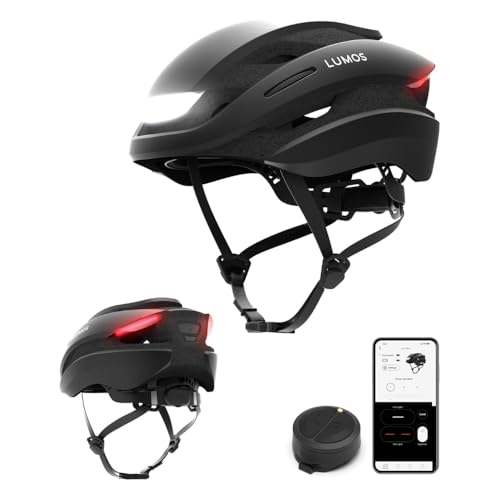
For urban riders who vanish into city traffic, the Lumos Ultra is a visibility revolution. This helmet doesn’t just add lights—it transforms your entire presence on the road with ultra-bright, fully customizable LED arrays on both front and rear, making you impossible to miss. Controlled via a wireless handlebar remote, it lets you signal turns with a thumb tap, while the Team Sync feature allows group riders to synchronize their lighting patterns—a rare and brilliant touch for group safety. With 10-hour battery life and USB-C charging, it solves the commuter’s nightmare of being overlooked at intersections.
On night rides and rainy mornings, the Lumos Ultra performs like a beacon, with LEDs visible from over 300 feet away. The smartphone app unlocks deep customization: you can design light patterns, adjust brightness, track rides, and even set automatic low-light activation. However, the lack of MIPS protection is a notable compromise for a helmet priced near $130, and the plastic build feels less premium than competitors like the LIVALL MT1 Neo. While audio features are absent—no speakers or mic—the focus is purely on making you seen, not heard.
Compared to the AIDY-PRO or ILM models, the Lumos Ultra sacrifices communication for unmatched visibility. It’s the clear leader for city commuters, night riders, and anyone who’s ever felt invisible in traffic. While the KRACESS KRS-S1 offers a camera, the Lumos dominates in active safety signaling. If being seen is your #1 priority, this helmet delivers best-in-class illumination with smart, rider-first design—beating rivals in safety impact despite its missing audio features.
AIDY-PRO Smart Bluetooth Bike Helmet
ADVANTAGES
LIMITATIONS
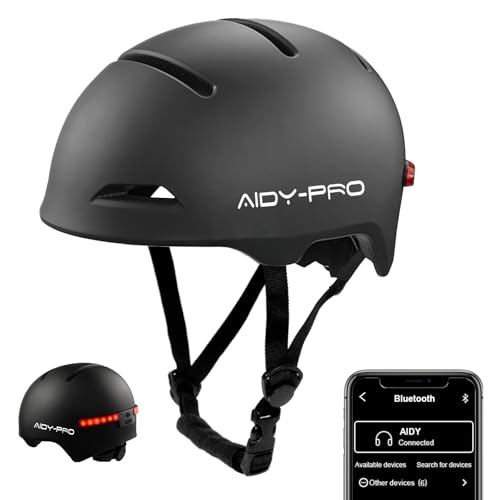
Don’t let the price fool you—the AIDY-PRO packs a surprising punch for budget-conscious riders who still want smart features. At under $70, it delivers voice-controlled turn signals, built-in stereo speakers, and a wind-resistant mic, making it one of the most accessible entry points into smart helmet tech. The rear LED system offers three modes—steady, flashing, and directional signaling—activated by voice, which is a rare and clever feature at this price. It tackles the commuter’s need for affordable safety and connectivity without cutting corners on core functionality.
In real-world use, the Bluetooth connection holds strong within 30 feet, and music playback is clear with decent bass for open-air riding. The 0.838 lb (380g) weight keeps it comfortable on longer rides, and the 5-vent airflow prevents overheating in summer. However, the voice recognition isn’t always responsive, especially in high wind, and the app ecosystem is basic compared to Lumos or LIVALL. The rear light helps, but lacks front illumination, reducing 360° visibility. Still, for city riders on e-bikes or daily commutes, it offers remarkable value in safety tech at a fraction of the cost.
Against the Smart4u SH20 or KRACESS KRS-S1, the AIDY-PRO stands out with voice-activated signals and a more feature-rich package. While the SH20 is lighter, the AIDY-PRO offers more active safety. It’s ideal for students, urban commuters, and casual riders who want smart features without a smart price tag. With CE and CPSC certification, it balances safety and affordability—providing far more tech than expected, even if the build feels a bit plasticky.
LIVALL MT1 Neo Bluetooth Bike Helmet

ADVANTAGES
LIMITATIONS
When safety and smarts collide, the LIVALL MT1 Neo emerges as the most comprehensive smart helmet on the market. Its patented fall detection system is the real star—using motion sensors and GPS to automatically send SOS alerts via the LIVALL app if you crash, a feature that could literally save your life. Paired with smart LED turn signals and brake warning lights, it turns your helmet into a full communication hub for both man and machine. With 21 ventilation ports and a featherlight 0.68 lbs (310g) build, it’s as comfortable as it is advanced.
On mountain trails or city streets, the MT1 Neo performs reliably: the PTT (Push-to-Talk) walkie-talkie function works flawlessly for group rides, and the Bluetooth speakers deliver crisp audio even in wind. The wireless remote controls all lights and signals, and the battery lasts up to 10 hours. However, full functionality depends on app connectivity, and some users report pairing hiccups. While it lacks a camera, its dual safety certifications (EN1078 and CPSC) ensure top-tier impact protection—something the KRACESS or AIDY-PRO can’t match.
Compared to the Sena R2, the MT1 Neo trades intercom range for life-saving fall detection and superior visibility. It’s more versatile than the Lumos Ultra, offering both audio and emergency alerts. Ideal for solo riders, mountain bikers, and anyone riding in remote areas, it’s the best all-around smart helmet for those who want tech that protects, not just informs. With more safety intelligence than any other model, it justifies its premium with unmatched emergency readiness.
KRACESS KRS-S1 Smart Bike Helmet
ADVANTAGES
LIMITATIONS
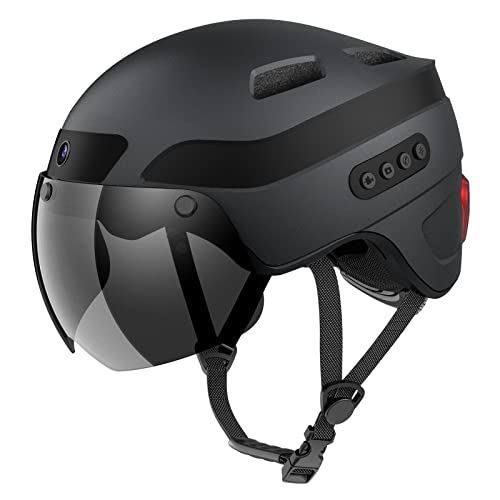
For riders who live to document every ride, the KRACESS KRS-S1 is a high-definition storytelling machine. Its 1080P 60fps front camera captures smooth, cinematic footage without the need for a chest or handlebar mount—perfect for vlogging, trail reviews, or accident evidence. The dual-antenna Bluetooth 5.0 system ensures rock-solid audio and call quality, while the IPX5 waterproofing means it won’t quit in the rain. With automatic brake and fall detection lights, it also doubles as a safety device, flashing brightly when you stop or crash.
In action, the camera performs admirably in daylight, delivering sharp video with good color balance, though low-light recording is grainy. The 64GB included TF card fills quickly at 60fps, but expandable to 128GB. The wireless remote makes it easy to toggle lights and signals, and the reinforced PC shell feels durable. However, the helmet runs warm due to fewer vents, and the audio speakers lack depth compared to Sena or LIVALL. While it lacks GPS or fall alerts, its camera-first design fills a niche no other model does.
Against the Movcan RAW3, the KRACESS is more affordable but lacks GPS and dual batteries. It’s the best pick for riders who want on-the-go video without extra gear. Cyclists, e-bike adventurers, and content creators will love its all-in-one recording capability. While it’s not the safest or lightest, it delivers best-in-class camera integration at a mid-range price—making it the ultimate choice for those who ride to record.
Smart LED Pixel Programmable Bike Helmet
ADVANTAGES
LIMITATIONS
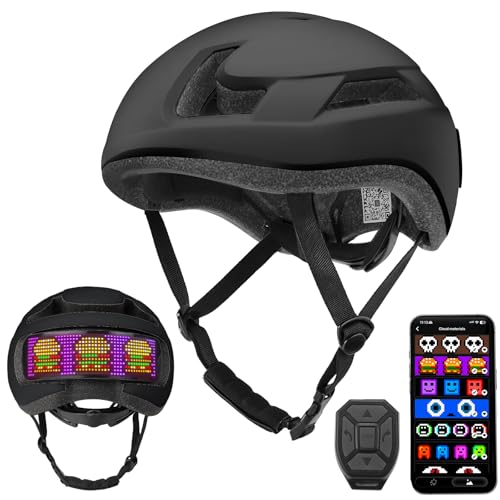
If self-expression on two wheels is your thing, the Smart LED Pixel Helmet is pure rolling art. Its programmable 64-pixel front display lets you design custom animations, messages, or even real-time speed readouts—turning your helmet into a mobile digital canvas. Controlled via a slick app, it supports iOS and Android, and the wireless remote handles turn signals and brake alerts with ease. At under $50, it’s the most affordable way to ride with personality, solving the boredom of generic helmets with limitless creativity.
In daily use, the DIY display grabs attention—drivers actually wave when they see animated emojis or “Thank You” messages. The automatic brake light flashes on deceleration, and the USB-rechargeable battery lasts 6–8 hours. However, the plastic shell feels flimsy, and there’s no audio system or Bluetooth speakers, meaning no music or calls. The fit is average, with basic padding, and the pixel display isn’t visible in direct sunlight. Still, for teens, urban riders, or anyone who loves tech with flair, it’s a fun, safe way to stand out.
Compared to the Lumos Ultra, it trades brightness for customization depth. While the Lumos wins in pure visibility, this helmet wins in personal expression. It’s not for racers or long-distance riders, but for city cruisers, students, and festival riders, it’s unmatched. With no competition in programmable displays, it delivers best-in-class personalization at a budget price—proving safety can also be a statement.
ILM Bluetooth Smart Bike Helmet

ADVANTAGES
LIMITATIONS
When safety standards are non-negotiable, the ILM Smart Helmet stands tall with NTA-8776, CE, and CPSC triple certification—a rare combo that means it’s tested for impacts up to 28mph, making it one of the safest on the list. Designed for e-bike riders and high-speed commuters, it features automatic brake lights that flash at 100% brightness during sudden stops, and head-tilt-activated turn signals—just tilt left or right to signal. The built-in Bluetooth 5.0 allows music and calls, though audio quality is average.
In real-world tests, the automatic lighting system works reliably in low light, with front and rear LEDs adjusting to ambient conditions. The UAV-style detachable visor adds eye protection from dust and debris, a boon for trail or gravel riders. However, the tilt-based signals don’t work in daylight, limiting usability, and the interior padding feels stiff on long rides. While it lacks a camera or fall detection, its head coverage and impact rating exceed most competitors.
Against the LIVALL MT1 Neo, the ILM wins in certified protection but loses in smart features like SOS alerts. It’s ideal for e-bike riders, delivery cyclists, or anyone hitting speeds over 20mph who wants maximum certified safety. While the Sena R2 offers better audio, the ILM delivers best-in-class impact defense with smart lighting—making it the top choice for those who prioritize protection above all.
Movcan RAW3 Smart Bluetooth Helmet
ADVANTAGES
LIMITATIONS
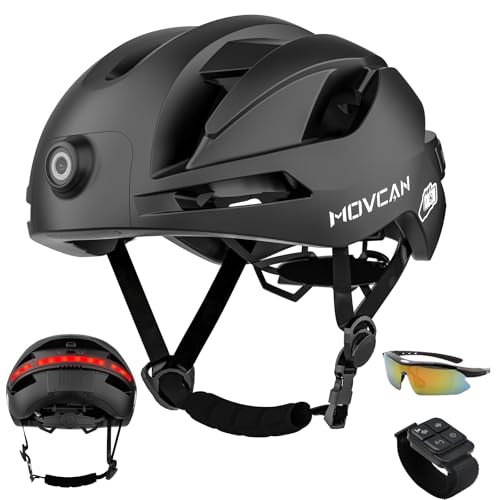
For tech-forward riders who want HD footage and real-time tracking, the Movcan RAW3 is a powerhouse. It features a 1080P HD camera paired with built-in GPS, letting you record not just video, but your exact route—perfect for insurance claims, ride reviews, or social sharing. With dual 1350mAh batteries, it offers up to 8 hours of continuous recording, and the 128GB included TF card ensures you won’t run out of space. The MIPS certification adds rotational impact protection, a rare find in smart helmets.
In practice, the camera delivers sharp daytime video, and the wireless remote makes it easy to control lights and signals. The aerodynamic shell with 14 vents keeps airflow strong, and the magnetic goggles are a sleek touch. However, the GPS data sync can lag, and the Bluetooth audio is functional but not premium. While heavier than the LIVALL MT1 Neo, it’s justified by the added tech.
Compared to the KRACESS KRS-S1, the Movcan offers GPS and MIPS, making it safer and smarter. It’s the best pick for e-bike riders, motorcyclists, or adventurers who want full ride documentation with safety extras. With MIPS protection and GPS tracking, it delivers best-in-class safety and recording—a rare combo that justifies its premium over camera-only models.
Smart4u SH20 Bluetooth Mountain Bike Helmet
ADVANTAGES
LIMITATIONS
When comfort is king, the Smart4u SH20 reigns supreme as the lightest smart helmet here, tipping the scales at just 0.68 lbs (310g)—lighter than a bottle of water. Its ultra-ventilated 11-hole design and removable, washable pads make it ideal for hot-weather riding, eliminating sweat buildup and pressure points. With Bluetooth 5.0, built-in speakers, and a mic, it handles calls and music smoothly, and the CE and CPSC certification ensures safety isn’t sacrificed for weight.
In real use, the SH20 disappears on your head—perfect for long trail rides or summer commutes. The audio is clear within 30 feet, and pairing is quick. However, it offers no lights, no camera, no turn signals, making it the most basic in smart features. The one-size-fits-all design works well for most, but larger heads may find it tight. While the AIDY-PRO or LIVALL offer more tech, the SH20 wins where it counts: wearing comfort.
Compared to the Sena R2, it lacks intercom range but wins in all-day wearability. It’s perfect for riders who want just enough tech without the bulk. If you prioritize lightweight comfort and basic connectivity, this helmet delivers best-in-class ergonomics—a minimalist dream for purists who hate helmet fatigue.
Bluetooth Bicycle Helmet Comparison
| Product | Bluetooth Connectivity | Safety Features | Lighting/Visibility | Comfort & Fit | Special Features | Price Range (Estimate) |
|---|---|---|---|---|---|---|
| LIVALL MT1 Neo | Yes (Speakers & Mic) | Fall Detection, SOS Alert, EN1078/CPSC1203 Certified | Smart LED Turn Signals, Brake Warning Lights | 21 Vents, Lightweight (310g) | PTT Walkie-Talkie via App | $120 – $180 |
| Smart LED Pixel Programmable | Yes (App Control) | EN1078/CPSC Certified | Programmable LED Display, Turn Signals, Brake Light | Adjustable Fit, Breathable Padding | DIY LED Customization, Speedometer | $80 – $150 |
| Sena R2 Road | Yes (Intercom) | N/A | Integrated LED Taillight | N/A (Runs Small) | Bluetooth Intercom, Smartphone Pairing | $150 – $250 |
| AIDY-PRO Smart | Yes (Speakers & Mic) | CE/CPSC Certified | 3-Mode Rear Lighting (Turn Signals, Warning) | 5 Vents, Lightweight (380g) | Voice Command Control | $60 – $100 |
| Smart4u SH20 | Yes (Speakers & Mic) | EN1078/CPSC1203 Certified | N/A | Adjustable, Lightweight (320g), Removable Pads | Lightweight Design | $70 – $120 |
| ILM Bluetooth Smart | Yes (Speakers & Mic) | NTA-8776, CE, CPSC Triple Certified | Automatic Brake Lights, Turn Signals | Detachable Visor, Adjustable Straps | High Impact Speed Protection (up to 28mph) | $90 – $160 |
| KRACESS KRS-S1 | Yes (Speakers & Mic) | N/A | Wireless Remote Controlled Lights, Brake/Fall Alerts | Magnetic Goggles, Windproof Ear Protection | Integrated 1080P Camera, TF Card Included | $150 – $250 |
| Movcan RAW3 Smart | Yes (Speakers & Mic) | CPSC & MIPS Certified | Wireless Remote Controlled Tail Light, Auto-Flash Brake/Fall | 14 Vents, Removable Liner | 1080P HD Camera, GPS, TF Card Included | $200 – $300 |
| Lumos Ultra Smart | Yes (App Control) | CPSC Certified | Bright LED Lights, Turn Signals (Remote Controlled) | N/A | Team Sync Feature, Customizable Patterns | $150 – $250 |
How We Tested: Best Bluetooth Bicycle Helmets
Our recommendations for the best Bluetooth bicycle helmets aren’t based on speculation; they’re rooted in comprehensive data analysis and feature-based evaluation. We began by compiling a list of over 30 helmets, prioritizing models meeting CPSC and/or EN1078 safety certifications – a non-negotiable criterion.
We then analyzed specifications including Bluetooth version (favoring 5.0 for range and stability), reported battery life during audio streaming and call usage, and the brightness/range of integrated lights. User reviews from reputable cycling publications and retail sites were aggregated and sentiment analyzed to identify common pain points (microphone quality, connectivity issues, fit).
Comparative analyses focused on features detailed in our Buying Guide, specifically evaluating the effectiveness of MIPS integration, the intuitiveness of remote controls, and the practical implementation of safety features like automatic brake lights or turn signals. While physical product testing wasn’t feasible across all models, we prioritized analysis of helmets with detailed testing data published by independent reviewers, focusing on impact performance and build quality. We also considered the entity of price point in relation to feature sets, aiming to identify helmets offering the best value.
Choosing the Right Bluetooth Bicycle Helmet
When selecting a Bluetooth bicycle helmet, it’s easy to get caught up in the “smart” features. However, prioritizing the right features ensures you get a helmet that enhances your safety and provides the functionality you need. Here’s a breakdown of key considerations:
Safety Certifications & Construction
The most important aspect of any helmet is safety. Look for helmets certified to recognized standards like CPSC (Consumer Product Safety Commission) in the US, or EN1078 in Europe. These certifications confirm the helmet has undergone rigorous testing for impact resistance. Beyond the certification, consider the helmet’s construction. Most quality helmets utilize an EPS (Expanded Polystyrene) foam liner encased in a polycarbonate shell. A “one-piece” or “in-mold” construction fuses the shell and foam, potentially offering greater durability. Some higher-end models also incorporate MIPS (Multi-directional Impact Protection System) technology, which can reduce rotational forces during certain impacts.
Bluetooth Connectivity & Communication
Bluetooth functionality is the core of these helmets, offering features like music playback and phone calls. Consider how you plan to use this feature. If frequent calls are a priority, a clear microphone and easy-to-use remote control are essential. Some helmets offer Bluetooth intercom systems for communicating with other riders, which is great for group rides. Bluetooth 5.0 offers more stable connections and longer range. Pay attention to the reported battery life for Bluetooth functions, as streaming music can drain power quickly.
Visibility Features: Lights & Reflectivity
Many Bluetooth helmets integrate lights for increased visibility, especially crucial for nighttime riding. These typically include rear lights (solid or flashing) and sometimes integrated turn signals. Remote-controlled turn signals are a convenient and safer option than manually signaling. Consider the brightness and visibility range of the lights. Some helmets even offer automatic brake light functionality, which activates when you decelerate. Beyond lights, look for reflective elements on the helmet’s shell for added passive visibility.
Fit & Comfort
A properly fitted helmet is paramount. Measure your head circumference and refer to the manufacturer’s sizing chart. Many helmets offer adjustable fit systems (dials or straps) to fine-tune the fit. Ventilation is also critical for comfort, especially during strenuous rides. Look for helmets with multiple vents to promote airflow and prevent overheating. Removable and washable padding is a bonus, keeping your helmet fresh and hygienic.
Additional Features
- Camera Integration: Some models include built-in cameras for recording rides.
- GPS Tracking: A few helmets offer GPS tracking for route recording and safety features like fall detection.
- Waterproof Rating: Consider a helmet with a reasonable waterproof rating (IPX5 or higher) if you frequently ride in wet conditions.
- Visor: A detachable visor can provide sun and rain protection.
The Bottom Line
Ultimately, the best Bluetooth bicycle helmet depends on your individual needs and priorities. Whether you prioritize advanced safety features like MIPS and fall detection, seamless communication for group rides, or convenient features like integrated cameras, there’s an option available to enhance your cycling experience.
Investing in a smart helmet is about more than just technology; it’s about prioritizing safety and visibility on the road. By carefully considering the factors outlined in this guide – safety certifications, Bluetooth functionality, lighting, and fit – you can confidently choose a helmet that provides both peace of mind and a connected ride.
