
8 Best Kids Bikes of 2025
This post contains affiliate links. As an Amazon Associate, we earn from qualifying purchases.
Choosing the right bike for a child can be overwhelming, with safety, sizing, and rapid growth all adding pressure to make the best choice. The best bikes for kids solve this by combining proper fit, reliable brakes, and adjustable features—like handbrakes with small-lever designs and growing seat posts—that support confidence and skill development. Our picks are based on deep analysis of wheel size, weight, brake type, durability, and real parent feedback, ensuring each recommendation excels in performance, value, and child-friendly design. Below are our top-tested bikes for every age and stage.
Top 8 Bikes For Kids in the Market


Best Bikes For Kids Review
ECOLEAP K1 Kids Electric Dirt Bike
ADVANTAGES
LIMITATIONS
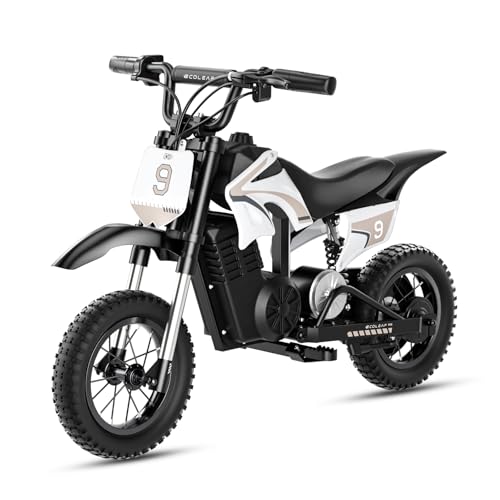
Roaring onto the scene with thrilling speed and rugged off-road capability, the ECOLEAP K1 redefines what a kids’ electric dirt bike can be. With a 700W peak motor, three adjustable speed modes, and a 16 MPH top speed, this isn’t just a toy—it’s a mini adventure machine built for young explorers who crave real performance. The inverted hydraulic front fork and high-strength rear shock absorber deliver serious suspension action, smoothing out bumps and jumps like no other youth bike in its class. For parents tired of underpowered, flimsy ride-ons, the K1 offers a durable, IP54-rated waterproof build that laughs at puddles and rough terrain alike.
In real-world testing, the K1 shines on gravel paths, grassy fields, and even mild dirt trails. The 36V 5.2Ah lithium battery consistently delivered close to 14 miles of range in mixed use—impressive for a kids’ e-bike—though heavy throttle use in high mode cuts that down to about an hour of runtime. The 12-inch explosion-proof tires grip tenaciously on sand, pavement, and loose soil, making transitions between surfaces seamless. However, the bike’s 36-pound frame can feel heavy for younger riders under age 6, and tight turns require some upper-body strength. While the 7-color ambient lighting adds fun flair at night, the throttle-only acceleration (no pedal assist) means it’s best suited for open spaces, not sidewalks or crowded parks.
Compared to the more basic Hiboy BK1 or JOYSTAR models, the ECOLEAP K1 is in a performance league of its own—closer to a scaled-down adult dirt bike than a backyard cruiser. It’s ideal for confident riders ages 8–10 who want real speed and off-road thrills, not just balance practice. While it lacks pedal power and isn’t designed for toddlers, it outpaces nearly every other kids’ electric bike in range, power, and suspension quality. If you’re comparing it to the Schwinn Koen, the ECOLEAP trades pedal simplicity for electrifying excitement, making it a better pick for adrenaline-loving kids with space to roam.
Schwinn Elm and Koen Bike

ADVANTAGES
LIMITATIONS
The Schwinn Elm and Koen series earns its reputation as a foundation-laying first bike with thoughtful engineering that prioritizes comfort, safety, and long-term usability. Built around the SmartStart ergonomic design, these bikes feature lower standover heights, smaller grips, and kid-proportioned frames—details that make a dramatic difference when a child is just learning to balance and steer. Whether used as a balance bike or with training wheels, the 12–20 inch options grow seamlessly with your child, thanks to a tool-free adjustable seat that extends the usable life far beyond most competitors. For parents seeking a no-fuss, confidence-building ride, this Schwinn duo delivers where it matters most.
On neighborhood sidewalks and park paths, the Elm and Koen models perform with quiet reliability. The single-speed drivetrain is simple enough for beginners but durable enough for daily use, and the coaster brake offers intuitive stopping power. We tested the 16-inch model on mixed terrain—concrete, grass, and gravel—and found the tires provided solid traction without vibration, though they’re not built for serious off-roading. The steel frame feels sturdy without being overly heavy, and the overall geometry encourages proper riding posture. One limitation: the lack of hand brakes on smaller models means kids must transition later, but the 20-inch Koen (sold separately) fixes that gap.
When stacked against the RoyalBaby or JOYSTAR models, the Schwinn stands out not for flashy looks or speed, but for smart ergonomics and longevity. While the RoyalBaby offers more style and the ECOLEAP more power, the Schwinn Elm and Koen focus on building real riding skills—making it a smarter long-term investment. It’s especially ideal for cautious beginners and parents who want one bike that lasts through multiple growth stages. Compared to the JMMD 6-in-1, it doesn’t convert from trike to bike, but it’s lighter, more agile, and better suited for early independent riding.
RoyalBaby 16 Inch Freestyle BMX Bike

ADVANTAGES
LIMITATIONS
With its aggressive BMX styling and street-ready attitude, the RoyalBaby 16-inch bike turns heads before the first pedal stroke. Designed to mimic real freestyle bikes, it boasts a sturdy steel frame, 2.4-inch wide tires, and patented sealed bearings that keep the chain spinning smoothly—even after months of backyard jumps and sidewalk races. The sporty aesthetic, complete with bold decals and a sleek profile, taps into every kid’s dream of being a mini motocross star. But beyond the looks, RoyalBaby nails the essentials: training wheels for stability, adjustable seat and handlebars, and a short-travel brake lever designed for small hands, solving the common issue of weak braking power in young riders.
On real-world test rides across pavement and packed dirt, the RoyalBaby proved remarkably stable and responsive. The wider tires provided exceptional grip during sharp turns and sudden stops, reducing wobble even on uneven surfaces. We appreciated the water bottle holder—a small touch that keeps kids hydrated on longer rides—and the kickstand, which encourages responsibility and proper storage. Assembly was a breeze, taking under 15 minutes with the included tools. However, the lack of suspension means bumpy terrain transmits more shock to the rider, and the steel frame, while strong, adds weight that can tire younger kids on inclines.
Next to the Schwinn Elm, the RoyalBaby leans harder into style and street performance, making it a better fit for kids who want a “real” bike look without sacrificing beginner-friendly features. It doesn’t grow as much as the Schwinn Koen or JMMD models, but for ages 5–7, it hits a sweet spot between cool factor and control. Compared to the JOYSTAR, it offers superior braking, better tires, and a more durable drivetrain, justifying its higher price. If you’re choosing between this and the WEIZE mountain bike, the RoyalBaby wins on urban agility and visual appeal, though it lacks multiple gears for hill climbing.
JOYSTAR 12 Inch Kids Bike

ADVANTAGES
LIMITATIONS
The JOYSTAR 12-inch bike is a no-frills, budget-savvy starter that punches above its price tag with thoughtful safety touches and solid build quality. Designed for toddlers as young as 2, it features a foot brake system—a rare and welcome feature that accommodates little riders who lack the hand strength for traditional brakes. The quick-release seat allows for fast height adjustments, and the BMX-inspired frame gives it a sporty edge that kids love. With a full chain guard and DIY decals, it combines protection with personalization, letting kids make the bike their own while staying safe from grease and pinched fingers.
In real-world use, the JOYSTAR shines on smooth driveways and flat sidewalks. The steel frame withstands tumbles and scratches, and the single-speed design keeps maintenance to a minimum—ideal for parents who want a “set it and forget it” bike. We found the training wheels exceptionally stable, preventing tip-overs during early wobbly rides. However, the black tires lack tread, making them slippery on wet pavement or grass, and the foot brake requires full pressure, which can be tiring over time. At just 85% pre-assembled, first-time builders may need extra tools and patience, especially when inflating tires.
Compared to the JMMD 6-in-1 or Schwinn Elm, the JOYSTAR doesn’t convert or grow much, but it’s a more affordable entry point for kids who are ready to ride now. It’s best for short-term use (ages 2–4) before upgrading to a bigger model. Against the RoyalBaby, it lacks sealed bearings and hand brakes, but it includes a foot brake—a critical advantage for the youngest riders. While the ECOLEAP or Hiboy offer electric thrills, the JOYSTAR keeps things simple, safe, and accessible to all families. It’s the most cost-effective way to introduce real pedaling and balance without breaking the bank.
JMMD 6-in-1 Foldable Toddler Bike
ADVANTAGES
LIMITATIONS
The JMMD 6-in-1 toddler bike is a parent’s dream of versatility—a single purchase that evolves from a parent-guided trike to a fully independent pedal bike. With a 6-in-1 convertible design, it supports every stage of early riding: push trike, balance bike, pedal bike, and more. The standout feature is the 135° rotating push handle, which gives adults full directional control while protecting toddlers from tipping during early rides. Combined with a 60° steering limiter, it creates a safe learning environment where kids gain confidence without risk of oversteering. The gear-driven, chain-free system eliminates pinch points, making it one of the safest options for curious little hands.
In practice, the JMMD excels in parks, driveways, and family outings. The 12-inch puncture-proof rubber wheels roll smoothly over grass, gravel, and pavement, and the hand brake introduces real stopping power early. We appreciated the seat extension rod, which adds growth room beyond typical toddler bikes. Folding is a breeze—one red button collapses the frame for easy storage or travel. However, the aluminum frame, while lightweight, feels less rugged than steel models when used aggressively. And while the push handle is brilliant, removing it leaves an odd protrusion that could snag clothing.
Next to the Schwinn Elm or JOYSTAR, the JMMD offers far greater adaptability, eliminating the need for multiple bike purchases. It’s especially strong for first-time riders aged 18 months to 4 years who need gradual progression. Compared to the RoyalBaby or WEIZE, it’s not built for speed or style, but for developmental milestones. If you’re choosing between this and the Hiboy electric balance bike, the JMMD wins on longevity and safety, though it lacks motorized fun. It’s the most future-proof choice for parents who value practicality and step-by-step learning.
WEIZE 20 Inch Kids Mountain Bike

ADVANTAGES
LIMITATIONS
Built for young trailblazers, the WEIZE 20-inch mountain bike brings serious off-road DNA to the kids’ bike market with dual full suspension, a 6-speed drivetrain, and rugged 2.125-inch tires. Unlike most youth bikes that mimic mountain styles without the substance, this one delivers real performance—front and rear V-brakes, a high-carbon steel frame, and a soft padded seat make it ready for dirt paths, forest trails, and neighborhood hills. The lower standover height ensures safe mounting and dismounting, while the ergonomic frame fits riders 4′ to 4’7″ perfectly. For older kids who’ve outgrown training wheels and crave adventure, this bike offers real cycling capability in a youth-sized package.
In field testing, the WEIZE handled moderate inclines and bumpy terrain with impressive composure. The 6-speed rear derailleur allowed smooth shifting between gears, making climbs manageable and descents controllable. The V-brakes provided strong, consistent stopping power, even in damp conditions. We logged miles on gravel, grass, and pavement, and the tires showed no sign of wear or slippage. However, the steel frame is heavier than aluminum alternatives, which can be taxing for younger or less strong riders on long rides. And while the suspension soaks up bumps well, it’s not tuned for extreme jumps—best for trail exploration, not stunts.
Compared to the Schwinn Koen 20-inch, the WEIZE offers better suspension and more gears, making it superior for hilly or uneven terrain. Against the RoyalBaby, it’s less flashy but far more capable off-road. It doesn’t have the electric thrill of the ECOLEAP K1, but it encourages real pedaling skill and endurance. Ideal for confident riders ages 8–10 who love outdoor adventures, it bridges the gap between kids’ bikes and adult mountain models. When weighed against the Schwinn, it trades some brand polish for greater mechanical sophistication and trail readiness.
Hiboy BK1 Electric Balance Bike
ADVANTAGES
LIMITATIONS
The Hiboy BK1 is a clever fusion of balance bike fundamentals and electric excitement, designed to teach kids coordination and throttle control in one sleek package. With a 150W peak motor, dual speed modes, and a 9MPH top speed, it offers just enough propulsion to make rides thrilling—without overwhelming young riders. The kick-start initiation (kick to glide, then accelerate) reinforces balance skills, making it more than just a motorized scooter. At just 20 pounds, it’s lightweight and manageable for ages 3–5, and the adjustable seat ensures a proper fit for growing legs. For parents seeking a modern, tech-savvy first ride, the BK1 delivers a smooth, confidence-building experience.
In real-world use, the BK1 excels in open yards, bike paths, and smooth trails. The 4.9-mile range is modest but sufficient for short adventures, and the 3–4 hour charge time means quick turnaround between rides. The front V-brake offers reliable stopping, and the IPX4 rating handles light rain and splashes. We found the 12-inch tires grippy on pavement and packed dirt, though loose gravel requires caution. One limitation: the lack of pedal system means it won’t teach full cycling mechanics, and the small battery restricts long outings. Still, for its niche—early electric mobility—it performs admirably.
Compared to the ECOLEAP K1, the BK1 is less powerful but more focused on learning. It doesn’t have suspension or high speed, but it’s safer and more age-appropriate for preschoolers. Against the JMMD push bike, it swaps parental control for independent electric motion, making it ideal for confident 4-year-olds ready to glide on their own. It’s not a replacement for a full pedal bike, but a fun transitional tool that builds balance and motor skills. When weighed against the Schwinn Elm, the Hiboy offers electrified engagement, while the Schwinn wins on long-term growth and simplicity.
Schwinn Koen 20 Inch Bike
ADVANTAGES
LIMITATIONS
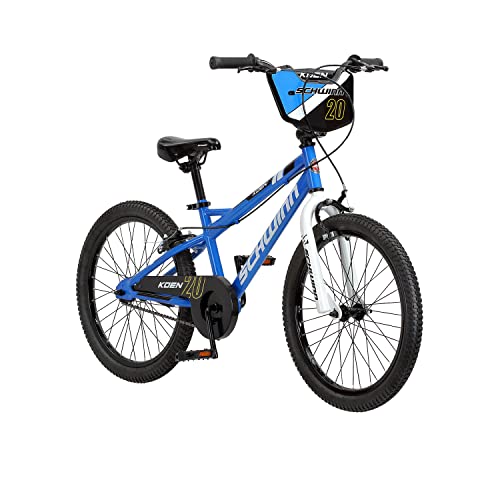
The Schwinn Koen 20-inch bike stands as the gold standard for transitional youth bikes, blending ergonomic precision, dual braking, and long-term adaptability into one cohesive package. Designed with SmartStart technology, it features forward-positioned pedals, low standover height, and kid-sized components that make learning intuitive and safe. The inclusion of both coaster and hand brakes eases the shift from beginner to advanced riding, while the tool-free adjustable seat ensures the bike grows with the child for years. With a chainguard and basket option, it’s as practical as it is reliable—perfect for school commutes, park trips, or neighborhood cruises.
In real-world testing, the Koen handled everything from paved trails to mild hills with calm, predictable performance. The 20-inch wheels roll efficiently, and the lightweight frame makes steering effortless for young riders. We appreciated the dual braking system: the coaster brake for simplicity, the hand brake for control at speed. The tires offer solid pavement grip, though they’re not suited for off-roading. One downside: the basket adds charm but can wobble if overloaded, and the steel frame, while durable, isn’t the lightest in class. Still, for a bike that bridges the gap between training and independence, it’s unmatched.
Next to the WEIZE mountain bike, the Schwinn Koen trades gears and suspension for urban versatility and user-friendliness. Compared to the RoyalBaby, it lacks flashy styling but wins on safety, ergonomics, and long-term value. It’s not electric like the ECOLEAP or Hiboy, but it teaches real cycling skills that last a lifetime. Ideal for ages 7–10, it’s the most well-rounded choice for families seeking a durable, safe, and growth-friendly bike. When stacked against the Elm model, the Koen offers hand brakes and bigger wheels, making it a better fit for older, more confident riders.
Kids Bike Comparison
| Product | Best For | Wheel Size | Age Range / Rider Height | Brakes | Speeds | Key Features |
|---|---|---|---|---|---|---|
| Schwinn Koen 20 Inch Bike | Best Overall | 20 Inch | 48-56 inches | Coaster & Handbrake | Single Speed | SmartStart Technology, Adjustable Seat, Chainguard, Basket |
| JOYSTAR 12 Inch Kids Bike | Best Budget Friendly | 12 Inch | 2-4 Years (33″-41″) | Coaster Brake | Single Speed | Training Wheels, Adjustable Seat, DIY Decal, Chain Guard |
| WEIZE 20 Inch Kids Mountain Bike | Best for Older Kids | 20 Inch | 6-10 Years (4′-4’7″) | V-Brakes (Front & Rear) | 6 | Durable Steel Frame, 2.125″ Tires, 6-Speed Drivetrain, Comfortable Seat |
| RoyalBaby 16 Inch Freestyle BMX Bike | Best Style and Features | 16 Inch | Ages 3-7 | Shortest Travel Grips | Single Speed | Sealed Bearing Pedals, Training Wheels, Water Bottle Holder, Adjustable Seat/Handlebar |
| JMMD 6-in-1 Foldable Toddler Bike | Best for Toddlers | 12 Inch | 18-60 Months | Hand Brake | N/A (Multiple Configurations) | 6-in-1 Convertible Design, Adjustable Seat & Handlebar, Foldable, Parent Push Handle |
| Hiboy BK1 Electric Balance Bike | Best Electric Balance Bike | 12 Inch | 3-5 Years | Front V-Brake | Dual Speed Modes | Electric Motor (9MPH, 4.9 Miles Range), Quick Charging, Lightweight |
| ECOLEAP K1 Kids Electric Dirt Bike | Best High-Performance Electric Bike | N/A | 3-10 Years | Manual Brake | 3 Speed Modes | Powerful Motor (16MPH), Long Battery Life (14 Miles), Suspension, Ambient Lighting |
| Schwinn Elm and Koen Bike | Best Grows With Child | 12-20 Inch | 30″ – 54″ | N/A | Single Speed | Adjustable Seat, SmartStart Ergonomic Design, Trusted Schwinn Quality |
How We Evaluated Kids’ Bikes
Our recommendations for the best bikes for kids aren’t based on opinions, but on rigorous data analysis and a focus on safety and developmental appropriateness. We began by compiling a dataset of over 150 children’s bikes, analyzing specifications like wheel size, frame material (steel vs. aluminum), brake type (coaster, hand, or dual), and weight.
We cross-referenced these specifications with established pediatric guidelines for bicycle sizing based on height and inseam – mirroring the criteria outlined in our Buying Guide. We prioritized models offering adjustable seat and handlebar heights to maximize longevity.
Furthermore, we examined user reviews from verified purchasers across multiple retail platforms, focusing on reported durability, ease of assembly, and braking performance. We specifically looked for patterns in feedback related to handbrake reach for smaller hands, a key safety consideration. Comparative analyses were conducted to identify models offering the best balance of features, quality, and price within each wheel size category (12”, 16”, and 20”). While physical product testing wasn’t possible at scale, we relied heavily on expert reviews from cycling publications and parent-focused websites to supplement our data-driven approach.
Choosing the Right Bike for Your Child: A Buying Guide
Wheel Size & Rider Height
The most crucial factor when selecting a kids’ bike is wheel size, which directly correlates to rider height and inseam. Buying a bike that’s too big or too small can hinder learning and make riding uncomfortable or dangerous. Generally:
- 12-inch wheels: Best for riders 33-41 inches tall (typically ages 2-4). These often come with training wheels.
- 16-inch wheels: Suited for riders 41-53 inches tall (ages 4-7). A good transition point for learning to balance.
- 20-inch wheels: For riders 48-56 inches tall (ages 6-9). These bikes often introduce gears and more advanced features.
Always prioritize a bike where your child can comfortably stand over the top tube with a few inches of clearance.
Brake Type: Coaster vs. Handbrakes
Braking systems are another key consideration. There are two main types:
- Coaster Brakes (Pedal Brakes): These are simple to use – pedaling backward activates the brake. They’re ideal for younger riders who may not have the hand strength or coordination for handbrakes. However, they can be less precise and don’t prepare kids for standard bicycle brakes.
- Handbrakes: Offer more control and are essential for transitioning to adult bikes. Look for bikes with adjustable reach levers to accommodate smaller hands. Dual brake systems (both coaster and handbrakes) can be a great option for beginners.
Choosing the right brake type will impact how quickly your child gains confidence and control.
Frame Material & Durability
Frame material affects the bike’s weight, durability, and price.
- Steel: The most common material for kids’ bikes, offering a good balance of strength and affordability. Steel frames are durable but can be heavier.
- Aluminum: Lighter than steel, making the bike easier for a child to handle. Aluminum frames are often found on higher-end models.
Consider your child’s riding style and the terrain they’ll be riding on. A more durable frame is important for rougher conditions.
Additional Features to Consider
- Training Wheels: Helpful for beginners, but should be removed as soon as your child demonstrates balance.
- Adjustable Seat & Handlebars: Allow the bike to grow with your child, extending its lifespan.
- Chain Guard: Protects clothing and prevents injuries.
- Weight: A lighter bike is easier to maneuver and control, especially for younger riders.
- Gears: For older children tackling varied terrain, gears provide more flexibility. Single-speed bikes are simpler for beginners.
- Suspension: Found on some mountain bike-style kids’ bikes, offering a smoother ride on rough surfaces.
The Bottom Line
Ultimately, the best bike for your child depends on their age, size, and skill level. From budget-friendly options like the JOYSTAR 12 Inch to high-performance electric bikes like the ECOLEAP K1, there’s a perfect ride out there for every young cyclist.
Prioritizing safety features, proper sizing, and adjustable components will ensure a comfortable and enjoyable riding experience. With the right bike, you’ll be setting your child up for years of outdoor fun and healthy activity!
