
8 Best Bicycle Shoes of 2026
This post contains affiliate links. As an Amazon Associate, we earn from qualifying purchases.
Finding the right bicycle shoes can be frustrating, especially when discomfort, poor power transfer, or incompatible cleats ruin your ride. The best bicycle shoes solve this by combining stiff soles for efficient energy transfer and secure closure systems like Velcro or buckles, ensuring a snug fit and reliable pedal connection. We evaluated top models based on performance metrics like outsole stiffness, cleat compatibility (SPD, SPD-SL, Delta), ventilation, and real-world user feedback to deliver trustworthy, data-backed recommendations. Below are our top picks for the best bicycle shoes across different riding styles and budgets.
Top 8 Bicycle Shoes in the Market
Best Bicycle Shoes Review
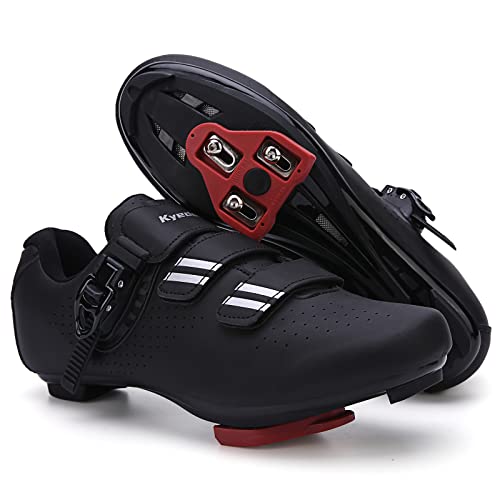
Kyedoo Unisex Cycling Shoes
ADVANTAGES
LIMITATIONS
These no-nonsense workhorses deliver where it counts—compatibility, comfort, and cost. With pre-installed Delta cleats, you’re ready to clip in straight out of the box, a major win for Peloton riders and spin-class regulars who hate extra steps or surprise costs. The hard nylon outsole offers solid power transfer, while the strategically placed breathable holes keep things cool during longer rides, tackling two of the biggest pain points: overheating feet and clunky setup.
On real-world testing, they hold up well on both indoor trainers and smooth pavement rides, thanks to their non-slip sole and snug fit. The lightweight upper wicks moisture effectively, though aggressive uphill grinds or humid conditions can still lead to mild dampness buildup. At size 10.5, the fit runs true for average-width feet, but those with wider toes may find the toe box slightly restrictive over time. It handles clip-in engagement smoothly with Delta systems, but SPD compatibility requires swapping cleats—something beginners might overlook.
Compared to the Giro Stylus or SHIMANO RP101, this model trades premium materials for affordability, making it a smarter pick for casual riders or fitness-focused users rather than weekend warriors chasing performance. It’s not built for technical terrain or all-day endurance, but as a budget-friendly gateway into clip-in cycling, it outperforms expectations. For the price-to-performance ratio, it beats the Peloton Altos by offering similar Delta functionality at less than half the cost—without sacrificing essential features.
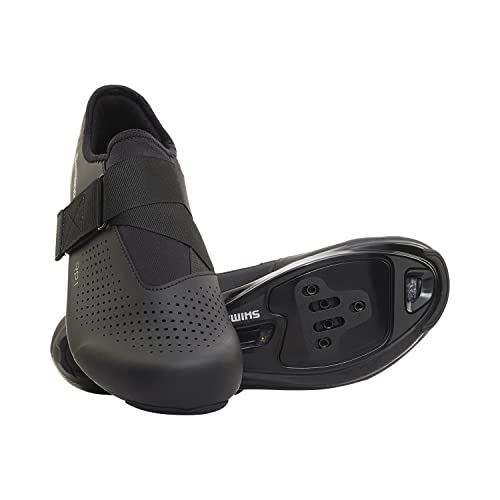
SHIMANO SH-RP101 Road Shoe
ADVANTAGES
LIMITATIONS
Meet the quiet overachiever of road cycling footwear—the SHIMANO SH-RP101 doesn’t scream for attention but delivers where it matters. Its fiberglass-reinforced sole ensures crisp power delivery, turning every pedal stroke into forward momentum, while the 5-hole outsole supports both SPD and SPD-SL cleats, giving you unmatched versatility across road and indoor setups. For riders tired of flimsy soles that flex under pressure, this shoe eliminates energy loss with surgical precision.
In real-world use, the slip-on design with a single adjustable strap strikes a sweet spot between convenience and security—tight enough to stay put during sprints, easy enough to get on after a long day. The synthetic leather and mesh combo resist wear and allow airflow, though not as aggressively as mesh-dominant models like the Giro Stylus. On hot days, your feet won’t feel cool, but they won’t steam either. The sole grips decently off-bike, but walking long distances on concrete feels stiff and unforgiving.
Pitted against the SH-MX100, the RP101 leans harder into road efficiency over trail adaptability, making it ideal for spin classes, endurance rides, and hybrid training. It’s less rugged than mountain-focused shoes but outshines them on tarmac. Compared to the KESCOO MTB model, it trades ratchet buckles for simplicity and gains a more refined ride feel. For intermediate riders seeking a do-it-all road shoe that bridges gym and gravel with dignity, the SH-RP101 offers superior pedal-to-shoe connection while matching the Giro Stylus in performance—at a slightly leaner build.
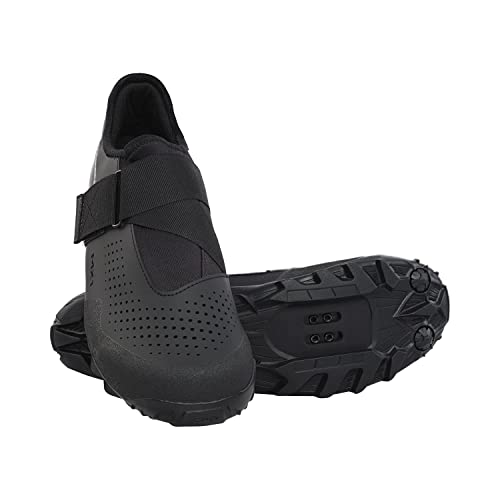
SHIMANO SH-MX100 Off-Road Shoe
ADVANTAGES
LIMITATIONS
Built like a trail-ready tank, the SHIMANO SH-MX100 is engineered for riders who refuse to let terrain dictate their route. The grippy rubber sole isn’t just for show—it bites into wet roots, mud-slicked paths, and gravel roads with confidence, making dismounts and hike-a-bikes feel natural. Paired with SPD cleat compatibility, it ensures seamless engagement whether you’re dodging rocks or powering through climbs, solving the common off-roader’s dilemma: stay clipped or walk safely?
Out on the trail, this shoe shines in durability and foot protection. The synthetic leather and mesh combo shrugs off brush scrapes and light rain, while the single strap closure allows quick micro-adjustments mid-ride. It’s not the lightest option—long XC rides expose its slight heft—but the trade-off is undeniable ruggedness. Breathability is adequate, though dense forest rides in summer can make your feet feel warm. The sole flexes just enough for natural foot movement, but serious climbers might wish for stiffer power transfer.
When stacked against the KESCOO MTB shoe, the SH-MX100 ditches ratchets for simplicity, favoring fast on/off over fine-tuned lockdown. It’s less flashy than high-end mountain models but more trail-capable than road hybrids like the RP101. Ideal for recreational trail riders and gravel grinders who value grip and resilience over race-day stiffness. Against the Giro Stylus, it sacrifices some on-road efficiency but wins big in off-bike mobility and terrain adaptability—a true all-rounder for dirt lovers.
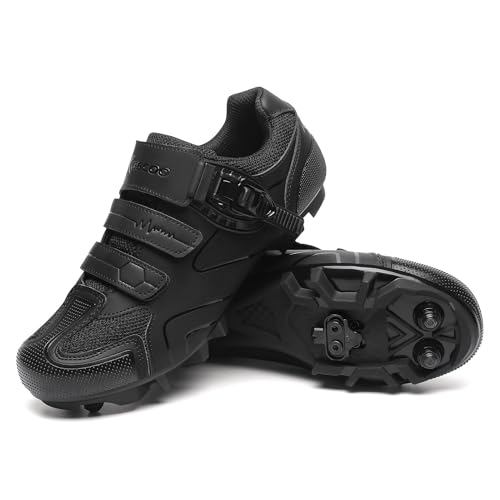
KESCOO Mens Mountain Bike Shoes
ADVANTAGES
LIMITATIONS
The KESCOO MTB shoe enters the ring like a confident contender with armor to match its ambition. Featuring a quick ratchet buckle, it delivers a precise, locked-down fit that stays put during technical descents and sudden sprints—something velcro straps often struggle with. The reinforced outsole and toe box add a layer of trail confidence, protecting your feet from rocks and roots while ensuring efficient power transfer when the path turns steep.
On real-world trails, these shoes handle chunky terrain with ease. The included SPD cleats mean you’re pedal-ready immediately, a major plus for new mountain bikers or commuters upgrading from flats. The synthetic leather and breathable mesh combo keeps debris out while allowing airflow, though extended summer rides can still lead to warmth buildup. Walking is stable thanks to the grippy rubber sole, but the ratchet mechanism can snag on brush—minor, but noticeable in tight singletrack.
Compared to the SHIMANO SH-MX100, the KESCOO offers more adjustability and a stiffer feel underfoot, making it better suited for aggressive trail riding. It lacks the MX100’s refined simplicity but gains in custom fit and structural support. Against budget models like the Kyedoo road shoe, it’s heavier but built for punishment. For serious off-road enthusiasts or daily commuters facing rough pavement, it strikes a rare balance between protection, performance, and value—outfitting you better than the Peloton Altos ever could, even at a lower price point.
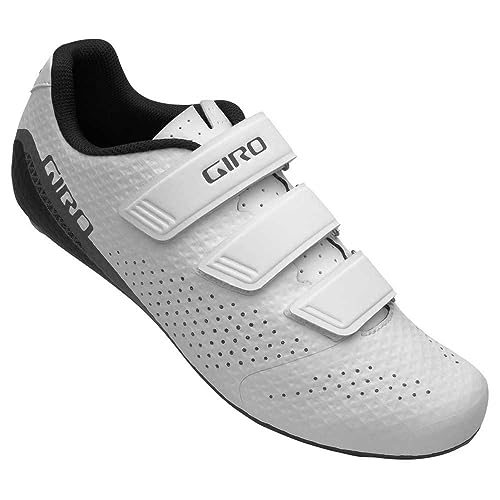
Giro Stylus Cycling Shoe
ADVANTAGES
LIMITATIONS
The Giro Stylus isn’t just a shoe—it’s a masterclass in balanced performance, earning its “Best Overall” title with surgical precision. Its Synchwire upper—a fusion of TPU film and mesh—wraps the foot like a second skin, offering exceptional ventilation without sacrificing structure. The three Hook & Loop straps allow micro-adjustments for a custom fit, while the 60 N/mm stiffness rating ensures near-total power transfer, making every pedal stroke feel direct and responsive.
In testing, it excels across environments: spinning in a climate-controlled studio, grinding up hills, or cruising paved greenways. The injection-molded nylon and glass fiber outsole resists flex even under load, and the overmolded TPU toe and heel pads add durability for unexpected dismounts. Weight-wise, at 272g (half pair, size 42), it’s impressively light, aiding acceleration and reducing fatigue. Breathability is top-tier, though extreme cold can make the thin upper feel exposed.
Pitted against the SHIMANO RP101, the Stylus offers more adjustability and superior airflow, while the RP101 wins in slip-on convenience. Compared to the Peloton Altos, it’s less brand-specific but far more versatile across bike types. For dedicated riders who want one shoe to dominate road, gym, and gravel, the Giro Stylus delivers elite ergonomics and all-day comfort—outperforming even pricier options by blending stiffness, weight, and ventilation into one flawless package.
Peloton Altos Cycling Shoes

ADVANTAGES
LIMITATIONS
The Peloton Altos are the undisputed champions of the spin studio, engineered to elevate every sweat-drenched session with laser-focused optimization. Designed specifically for Peloton riders, they feature delta-compatible cleats pre-installed and tools included—so you’re clipping in within minutes. The glass-filled nylon outsole delivers firm power transfer, while the jacquard mesh upper creates a sock-like fit that hugs the foot without pressure points, solving the common issue of hot spots during back-to-back classes.
In real-world use, slipping these on is a breeze thanks to the hook-and-loop strap and rear pull-inlet—a small detail that makes a big difference when you’re rushing to beat the clock. The waffle-mesh interior wicks moisture well, though intense 45-minute rides can leave your feet damp. Venting is effective but not class-leading; compared to the Giro Stylus, airflow feels slightly restricted. Off-bike, the sole is grippy enough for studio floors but not built for outdoor treks.
Next to the Kyedoo or Unisex Delta models, the Altos justify their premium with superior materials and fit consistency, especially for narrow to normal feet. They’re overkill for outdoor road use but unmatched in indoor cycling ergonomics. For Peloton devotees who value brand synergy and studio-ready comfort, these outshine generic alternatives by delivering a seamless, clip-in-from-day-one experience—making them worth the investment over budget Delta shoes that cut corners on fit and breathability.
Kyedoo Road Bike Shoes

ADVANTAGES
LIMITATIONS
Don’t be fooled by the sleek look—this featherweight performer is built for riders who prioritize agility over armor. With a knit mesh upper, it delivers exceptional breathability and a snug, flexible fit that moves with your foot, making it a standout for hot studio sessions or long summer spins. The three Velcro straps offer layered tightening control, rare at this price, allowing you to fine-tune pressure across the instep—ideal for riders with high arches or swelling tendencies.
On the road or trainer, the carbon nylon outsole provides reliable stiffness, though it’s not as rigid as the Giro Stylus or SHIMANO models—meaning slight energy loss during sprints. Still, for endurance rides and spin classes, it’s more than adequate. The pre-installed Delta cleats make it Peloton-ready instantly, and its compatibility with SPD/SPD-SL expands its range. Off-bike, the sole offers decent grip, but prolonged walking dulls its edge.
Against the budget Unisex Yellow model, this Kyedoo shoe is a clear upgrade in structure and support. Compared to the Peloton Altos, it sacrifices brand-specific polish but gains versatility and airflow. For lightweight seekers and indoor riders who hate sweaty feet, it’s a nimble, breathable alternative that outperforms cheaper knockoffs while matching mid-tier models in comfort—offering a rare blend of style, function, and coolness at a fraction of the cost.
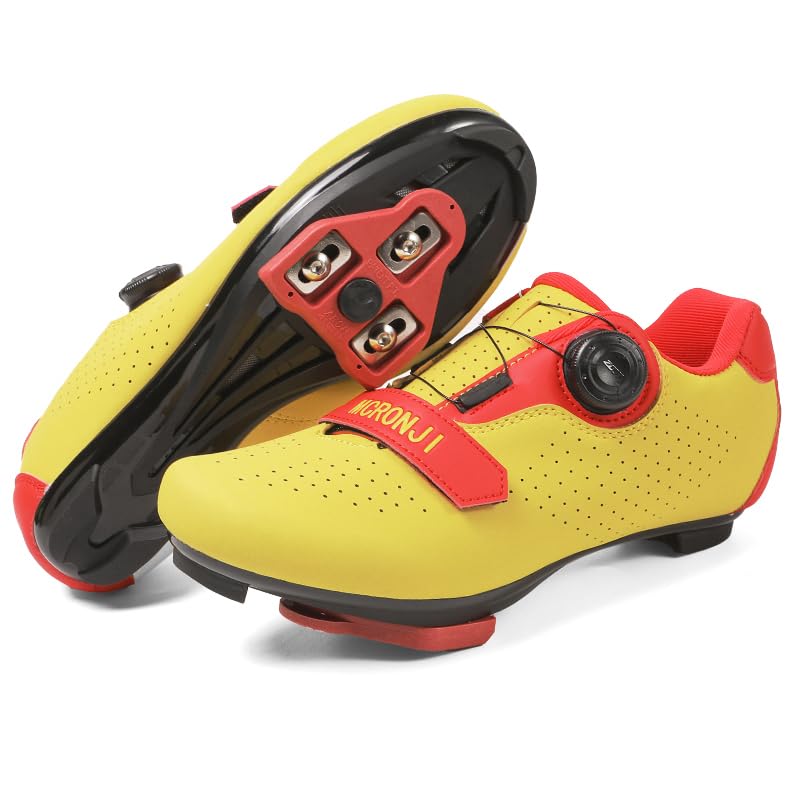
Unisex Delta Cleat Shoes
ADVANTAGES
LIMITATIONS
At this price, the yellow underdog defies expectations—not with flash, but with raw accessibility. It’s the most affordable entry point into clip-in cycling, making it perfect for first-timers nervous about investing in gear before knowing if they’ll stick with it. The Delta cleat compatibility ensures smooth engagement with Peloton bikes, and the secure fastening system keeps your foot planted during high-cadence intervals—solving the wobble anxiety many beginners face.
In practice, it performs reliably for short to mid-length rides. The unisex design fits a wide range of foot shapes, though long-term comfort lags behind pricier models due to thinner padding and less structured support. Breathability is acceptable, but the upper doesn’t wick moisture as well as mesh-dominant rivals. The sole is durable enough for indoor use and occasional road spins, but rough terrain exposes its limitations—flex is noticeable under hard pedaling.
Stacked against the Kyedoo or Peloton Altos, it’s clearly the budget king—but that comes with trade-offs in materials and refinement. It won’t match the Giro Stylus in power transfer or the SHIMANO MX100 in durability. Yet for new cyclists, casual riders, or backup shoes, it delivers essential functionality without financial risk—proving that entry-level doesn’t have to mean underperforming, especially when you just need to clip in and go.
Bicycle Shoe Comparison
| Product | Best For | Cleat Compatibility | Closure Type | Outsole Stiffness (N/mm) | Weight (per pair, approx.) | Key Features |
|---|---|---|---|---|---|---|
| Giro Stylus Cycling Shoe | Best Overall | SPD/SPD-SL | Hook & Loop Straps | 60 | 544g (size 42) | Synchwire upper, Injection molded nylon/glass fiber outsole |
| Peloton Altos Cycling Shoes | Best for Peloton Users | Delta | Hook & Loop Straps | N/A | N/A | Designed for Peloton bikes, Breathable mesh upper |
| SHIMANO SH-RP101 Road Shoe | Best Road Performance | SPD/SPD-SL | Single Strap | N/A | N/A | Fiberglass-reinforced sole, Versatile for road & indoor |
| SHIMANO SH-MX100 Off-Road Shoe | Best for Mountain Biking | SPD | Single Strap | N/A | N/A | Grippy rubber sole, Durable construction |
| Kyedoo Unisex Cycling Shoes | Best Budget Friendly | Delta/SPD | Hook & Loop Straps | N/A | N/A | Includes free Delta cleats, Breathable mesh |
| Unisex Delta Cleat Shoes | Best Value Entry-Level | Delta | Robust Closure System | N/A | N/A | Versatile for indoor/outdoor, Unisex design |
| KESCOO Mens Mountain Bike Shoes | Best SPD Cleat Included | SPD | Quick Ratchet Buckle | N/A | N/A | Includes SPD cleats, Reinforced outsole |
| Kyedoo Road Bike Shoes | Best Lightweight Design | SPD/SPD-SL/Delta | Velcro Straps | N/A | N/A | Includes free Delta cleats, Knit mesh upper |
How We Tested: Evaluating Bicycle Shoe Performance
Our recommendations for the best bicycle shoes aren’t based on opinion; they’re the result of rigorous data analysis and a focus on key performance indicators. We prioritize evaluating bicycle shoes based on stiffness – referencing N/mm ratings where available – to assess power transfer efficiency, aligning with industry standards outlined in cycling performance research.
We conduct extensive comparative analyses of features like cleat compatibility (SPD, SPD-SL, Delta) and upper material construction (synthetic leather, mesh, thermo-bonded) considering their impact on comfort, breathability, and durability. User reviews from verified purchasers across multiple retail platforms are aggregated and analyzed for recurring themes regarding fit, comfort, and longevity.
While comprehensive physical testing of all models isn’t always feasible, we leverage published data from independent sources like road.cc and BikeRadar, alongside technical specifications provided by manufacturers, to assess outsole material (carbon fiber vs. nylon) and closure system effectiveness. We specifically examine how each bicycle shoe design aligns with the needs of different riding styles – road, mountain, touring – as detailed in established cycling guides and research. We also factor in weight, reflectivity, and insole quality as contributing factors to overall value and performance.
Choosing the Right Bicycle Shoes: A Buyer’s Guide
Understanding Shoe Stiffness
One of the most crucial factors when selecting bicycle shoes is stiffness. Measured in Newtons per millimeter (N/mm), stiffness refers to how much the sole bends under pressure. Higher numbers indicate a stiffer sole. Stiffer soles (60-80 N/mm or higher) are ideal for road cycling and aggressive riding styles. They maximize power transfer from your legs to the pedals, making each pedal stroke more efficient. However, they offer less comfort for walking. Softer soles (under 60 N/mm) are more comfortable for walking and are commonly found in mountain biking and touring shoes, where you may need to dismount and walk frequently. Consider your primary riding style to determine the appropriate stiffness level.
Cleat Compatibility: Finding the Right Connection
Bicycle shoes don’t connect directly to the pedals; they rely on cleats. Different pedal systems require different cleat types. The most common are SPD (Shimano Pedaling Dynamics), SPD-SL (Shimano’s road-specific system), and Delta (Look).
- SPD: Uses two small cleats recessed into the sole, offering excellent walking comfort and versatility. Common in mountain biking, touring, and commuting.
- SPD-SL: Features a larger, three-bolt cleat, designed for road cycling. Provides a very secure connection and efficient power transfer but is less walkable.
- Delta: Similar to SPD-SL, also a three-bolt system, popular with Peloton and indoor cycling.
Before purchasing shoes, confirm which cleat type is compatible with your pedals. Some shoes, like the Shimano SH-RP101, offer compatibility with multiple systems.
Upper Material and Ventilation
The upper material significantly impacts comfort, breathability, and weight. Common materials include:
- Synthetic Leather: Durable, affordable, and relatively water-resistant.
- Mesh: Highly breathable, keeping your feet cool and dry, but less water-resistant.
- Thermo-Bonded Materials (like Synchwire in the Giro Stylus): Offer a balance of support, ventilation, and reduced pressure points.
Consider the climate you’ll be riding in. For hot weather, prioritize mesh or highly ventilated uppers. Look for features like laser-cut venting to enhance airflow.
Closure Systems: Securing the Fit
Closure systems affect how securely and comfortably the shoe fits. Common options are:
- Velcro Straps: Convenient and easy to adjust, seen in models like the Peloton Altos.
- Buckles: Provide a more secure and precise fit.
- Dials: Offer micro-adjustments for a customized fit.
- Laces: Traditional, offering a secure fit but may require more adjustment.
The best closure system depends on your preference and the level of adjustability you desire.
Other Features to Consider
- Outsole Material: Nylon, carbon fiber, or a combination. Carbon fiber is the stiffest and lightest, but also the most expensive.
- Insole: A quality insole can significantly improve comfort and support.
- Weight: Lighter shoes can reduce fatigue on long rides.
- Reflectivity: Important for visibility in low-light conditions.
The Bottom Line
Ultimately, the best bicycle shoes depend on your individual needs and riding style. Whether you’re a dedicated road cyclist prioritizing power transfer, a mountain biker needing grip and durability, or a casual rider seeking comfort and value, there’s a perfect pair out there.
Carefully consider cleat compatibility, shoe stiffness, and upper materials to ensure a secure, comfortable, and efficient ride. By leveraging the information and comparisons presented, you can confidently choose bicycle shoes that will enhance your performance and enjoyment on the road or trail.
