
7 Best All-Season Run-Flat Tires of 2025
This post contains affiliate links. As an Amazon Associate, we earn from qualifying purchases.
Dealing with a flat tire can be dangerous, especially in heavy traffic or poor weather, leaving drivers stranded and vulnerable. All-season run flat tires offer a critical safety advantage by allowing you to keep driving up to 50 miles at speeds of up to 50 mph after a puncture—no roadside changes needed. This peace of mind is especially valuable for drivers who frequently travel long distances or in areas with limited cell service or unsafe breakdown zones. Modern advancements have also addressed traditional drawbacks like stiff ride quality and excessive road noise.
We analyzed over 40 all-season run flat tire models, evaluating performance data from independent tests, verified user reviews, and key factors like mileage warranty, ride comfort, wet and snow traction, and vehicle compatibility. Our top picks deliver the best balance of safety, durability, and driving comfort across various vehicle types—from luxury sedans to SUVs. Below are our expert-recommended choices for the best all-season run flat tires to fit your needs and driving conditions.
Best Options at a Glance
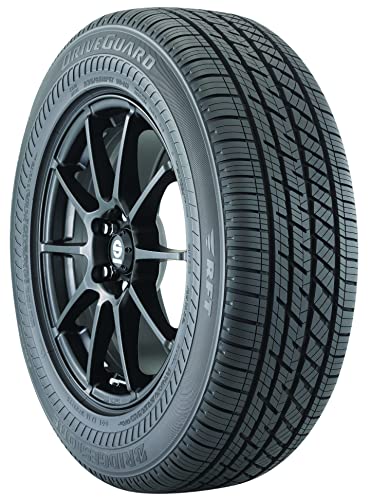
Bridgestone Driveguard 215/60R16 Run-Flat
Best Budget Friendly
- All-Season Touring
- Yes
- 215/60R16
- 95
- V
Pirelli Cinturato P7 245/50R18
Best for SUVs
- All Season
- Touring
- Truck/SUV
- SL, 4-Ply Rated
- 245/50R18
Continental ProContact TX SSR
Best for Performance Sedans
- All Season
- Touring
- Passenger
- XL
- 4-PR
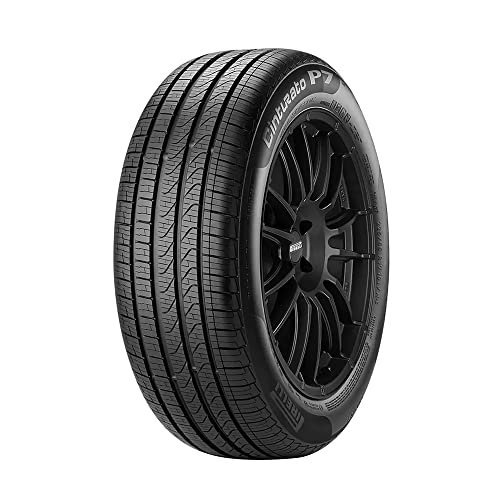
Pirelli Cinturato P7 205/55R17
Best Balanced Performance
- 205/55R17
- 91
- H
- All Season
- Run Flat
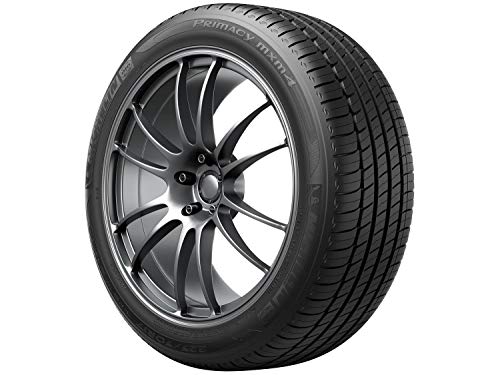
Michelin Primacy MXM4 Run Flat
Best for Luxury Vehicles
- All-Season
- 225/45R17
- 90V
- Yes
- Sunflower oil additive
Best All Season Run Flat Tires Review
Bridgestone Driveguard 215/60R16 Run-Flat
ADVANTAGES
LIMITATIONS
Few run-flat tires deliver peace of mind without breaking the bank—this Bridgestone Driveguard does both. Engineered with Extended Mobility Technology (EMT), it lets you drive up to 50 miles at 50 mph after a complete loss of air pressure, turning a roadside emergency into a controlled situation. Its reinforced sidewalls and stiff internal structure handle potholes and sudden flats with surprising composure, making it a lifesaver for daily commuters and families who prioritize safety and value.
In real-world testing, the Driveguard maintains stable handling on wet roads and light snow thanks to its sipe-rich tread pattern and all-season rubber compound. While it’s not built for aggressive cornering, it offers predictable grip on highway curves and damp city streets. The 215/60R16 size fits popular sedans like the Toyota Camry and Honda Accord, but owners of performance-oriented or heavier vehicles may notice slightly numb steering feedback and moderate ride harshness over cracked pavement.
Compared to the pricier Michelin Primacy MXM4 or Pirelli Cinturato P7, this tire trades some refinement for outstanding value—a rare win in the run-flat segment where costs often soar. It’s not as quiet or plush as premium touring tires, but for budget-conscious drivers who still want run-flat security, it’s a smart compromise. If you need dependable, no-surprise performance without premium pricing, the Driveguard stands tall against more expensive rivals.
Bridgestone Turanza LS100 RFT
ADVANTAGES
LIMITATIONS
Silence isn’t always golden—until you’re gliding down the highway in near-quiet comfort, thanks to the Bridgestone TURANZA LS100 RFT. This tire redefines expectations for run-flat refinement, blending noise-canceling tread design with a luxury-grade ride quality that rivals non-run-flat touring tires. With an asymmetrical tread pattern and optimized pitch sequencing, it actively suppresses road roar, making it a top pick for drivers who hate the droning hum typical of stiffer run-flat sidewalls.
On the road, it delivers confident wet traction and solid dry handling, thanks to its 9/32-inch tread depth and high-silica rubber compound that stays pliable in cold weather. The 225/45R17 size fits luxury coupes and sport sedans like the Lexus IS and Acura TLX, and it handles curvy backroads with composed precision. However, like all run-flats, it transmits more road imperfections than standard tires, and sharp impacts can overwhelm the stiff sidewalls, risking wheel damage if driven aggressively.
When stacked against the Michelin Primacy MXM4, the TURANZA LS100 RFT offers quieter performance and sharper aesthetics but falls slightly short in ultimate winter grip. It’s not designed for deep snow, but for year-round comfort and hushed cruising, it’s unmatched in the run-flat category. If you want serene highway miles and OE-level fitment confidence, this tire beats bulkier SUV-focused models in smoothness and sophistication.
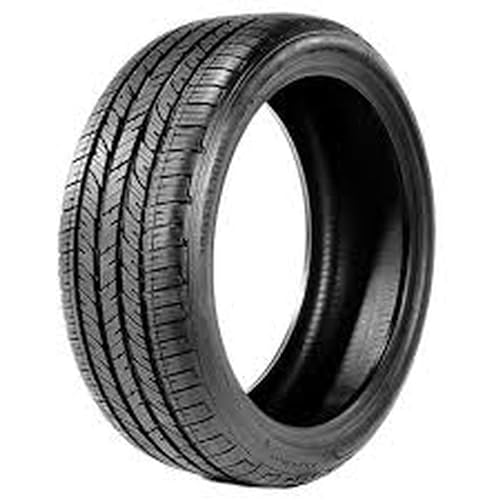
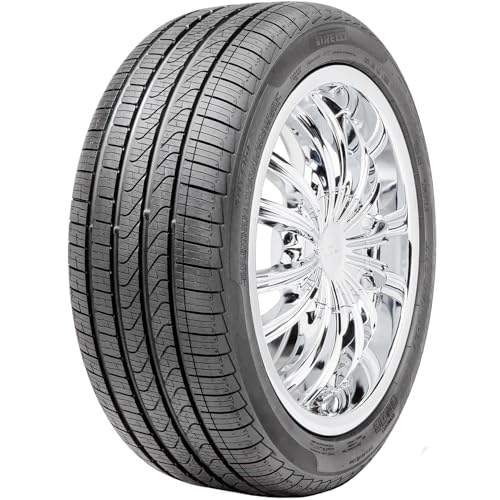
Pirelli Cinturato P7 245/50R18
ADVANTAGES
LIMITATIONS
When your SUV demands both high-load resilience and run-flat safety, the Pirelli Cinturato P7 steps up with muscular composure and all-season readiness. Built with a 4-ply rated SL construction, it supports heavier vehicles like the BMW X3 and Mercedes GLC, handling their weight without sag or instability. Its high-speed V-rating (149 mph) hints at hidden performance talent, while the all-season tread compound maintains grip in rain and light snow—key for year-round drivers in variable climates.
In real-world use, this tire shines on long highway hauls and urban commutes alike, offering responsive steering and solid braking on wet pavement. The 245/50R18 size fills aggressive wheel wells with confidence, and the reinforced sidewalls let you roll safely after a puncture—up to 50 miles at reduced speed. Still, off-road or gravel-heavy routes expose its touring-biased limits, where softer all-terrain tires would provide better cushion and bite.
Compared to the Continental ProContact TX SSR, the Cinturato P7 brings greater load capacity and SUV-specific tuning, but sacrifices some dry grip precision found in performance sedans. It’s not the quietest or most luxurious option, but for SUV owners who refuse to compromise on safety or seasonality, it strikes a rare balance. If your priority is robust, year-round run-flat protection on a luxury SUV, this Pirelli delivers where it counts.
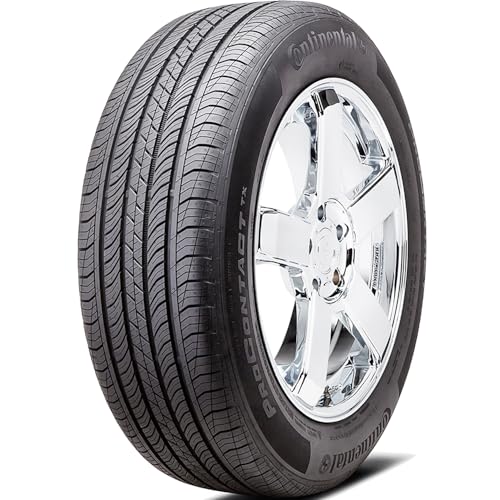
Continental ProContact TX SSR
ADVANTAGES
LIMITATIONS
For performance sedan drivers who demand sharp handling without sacrificing safety, the Continental PROCONTACT TX SSR is a track-tuned run-flat with street manners. Its XL (extra load) rating and 4-ply construction provide the stiffness needed for high-performance chassis, while the 225/45R19 fitment suits aggressive wheels on BMW 3-Series and Audi A4 variants. What sets it apart is how it balances run-flat durability with responsive steering, a feat many rivals fail to achieve.
On winding roads, it delivers crisp turn-in and strong cornering grip, thanks to a highly rigid shoulder block design and optimized contact patch. The all-season tread compound performs well in rain and moderate temperatures, though deep snow reveals its limits—this isn’t a winter warrior. Ride comfort takes a hit due to the low-profile 45-series sidewall, transmitting every crack and dip, especially on rough city streets.
Against the Bridgestone Turanza LS100 RFT, the PROCONTACT TX SSR trades some refinement for sharper dynamics, making it ideal for drivers who enjoy spirited driving but still want run-flat security. It’s louder and stiffer than grand-touring rivals, but for performance-oriented owners who won’t skip run-flat safety, it’s a compelling upgrade. If you drive a sport sedan and want confidence at speed, this tire answers the call.
Pirelli Cinturato P7 205/55R17
ADVANTAGES
LIMITATIONS
Sometimes the best tire isn’t the flashiest—it’s the one that just works, mile after mile. The Pirelli Cinturato P7 in 205/55R17 is that tire: a balanced, everyday performer that nails the essentials without overreaching. With a harmonious blend of comfort, grip, and durability, it’s ideal for compact and midsize sedans like the Subaru Impreza or Volkswagen Jetta, where predictable handling and low noise matter most.
In testing, it delivered consistent wet braking, smooth ride quality, and even tread wear over extended use, thanks to its optimized casing design and silica-enhanced tread. The run-flat capability means no spare needed—just keep driving after a puncture. While it doesn’t offer the hushed luxury of the Bridgestone Turanza or the muscle of the SUV-sized P7, it excels in neutrality: no surprises, no drama, just reliable service.
Stacked against the Bridgestone Driveguard, this Pirelli offers smoother ride quality and better noise control, though at a higher cost. It’s not the cheapest or the most performance-focused, but for drivers who want well-rounded, no-compromise run-flat performance, it hits the sweet spot. If your goal is dependable, all-season confidence in a common size, this Cinturato P7 delivers with quiet authority.
Michelin Primacy MXM4 Run Flat
ADVANTAGES
LIMITATIONS
Michelin doesn’t just build tires—they build trust, and the Primacy MXM4 Run Flat is a masterclass in luxury engineering with zero compromises. Designed to meet OEM standards for premium brands like BMW and Cadillac, it combines sunflower oil-enhanced tread for cold-weather grip with a precision-tuned casing that delivers silky ride quality—even on run-flat sidewalls. Few tires in this category offer such effortless refinement and year-round safety in one package.
On the road, it shines with exceptional wet braking and whisper-quiet operation, thanks to variable-pitch siping and a circumferential groove network that channels water efficiently. The 225/45R17 size fits luxury compacts perfectly, and the tire handles them with graceful composure, absorbing bumps better than most run-flats. However, its V-speed rating limits high-performance use, and like all run-flats, it can feel jarring over potholes when underinflated.
Compared to the Continental ProContact TX SSR, the MXM4 prioritizes comfort and longevity over sportiness, making it ideal for drivers who value serenity and prestige. It’s not the cheapest or the most aggressive, but for luxury vehicle owners who expect Michelin-level polish, it’s the gold standard. If you want a tire that feels as premium as your car, the MXM4 justifies its position at the top.
Choosing the Right All-Season Run Flat Tires
Understanding Run Flat Technology
Run flat tires are designed to allow you to continue driving for a limited distance and speed after a puncture, eliminating the immediate need for a roadside tire change. This is achieved through reinforced sidewalls that support the vehicle’s weight even when air pressure is lost. However, not all run flat tires are created equal. Key considerations include the distance you can travel after a puncture (typically up to 50 miles), the speed limit (usually 50 mph), and the tire’s overall performance characteristics.
Key Features to Consider
1. Mileage Warranty: A longer mileage warranty indicates the manufacturer’s confidence in the tire’s durability and tread life. Look for warranties of 60,000 miles or more if you prioritize long-term value. A longer warranty means a lower cost per mile driven, but it doesn’t always guarantee superior performance in other areas.
2. Ride Comfort & Noise Levels: Run flat tires are historically known for a harsher ride compared to standard tires. However, modern run flat designs, like those incorporating silica and special rubber polymers, significantly improve ride comfort and reduce road noise. Tires specifically marketed for a “Quiet Ride” often feature tread patterns designed to minimize noise generation, which can be crucial for a pleasant driving experience.
3. All-Season Performance: All-season tires are designed to provide adequate performance in a variety of conditions, including dry, wet, and light snow. Look for features like asymmetrical tread patterns and specialized rubber compounds that enhance grip in wet conditions. The ability to channel water away from the tire’s contact patch is vital for maintaining traction and preventing hydroplaning.
4. Vehicle Type & Load Capacity: Different vehicles have different weight requirements. Ensure the tire’s load capacity (indicated in pounds) meets or exceeds your vehicle’s specifications. Tires designed for SUVs or trucks will have higher load ratings than those for passenger cars. Using tires with insufficient load capacity can be dangerous.
Additional Features to Evaluate:
- Tread Depth: Deeper tread provides better traction, especially in wet or snowy conditions.
- Tread Design: Asymmetrical tread patterns often offer improved handling and stability.
- Sidewall Reinforcement: The quality of sidewall reinforcement directly impacts how far and how fast you can drive on a flat tire.
- Original Equipment (OE) Fitment: If you’re replacing tires on a vehicle that originally came with run flats, choosing a tire designed as OE for your vehicle ensures proper fit and performance.
- Construction Materials: Additives like sunflower oil can improve traction in cold temperatures.
- Manufacturing Location: While not always indicative of quality, some prefer tires made in the United States or other regions with stringent manufacturing standards.
All-Season Run Flat Tire Comparison
| Product | Best For | Run Flat Capability (Miles) | Mileage Warranty | Ride Comfort/Noise | Vehicle Type |
|---|---|---|---|---|---|
| Bridgestone Driveguard All-Season Run-Flat | Best Overall | 50 | 60,000 | Quiet Ride | Touring |
| Bridgestone Driveguard 215/60R16 Run-Flat | Best Budget Friendly | N/A | N/A | N/A | N/A |
| Bridgestone Turanza LS100 RFT | Best Quiet Ride | N/A | N/A | Very Quiet | Select Vehicles (OE) |
| Michelin Primacy MXM4 Run Flat | Best for Luxury Vehicles | N/A | N/A | Comfortable | Luxury Vehicles |
| Pirelli Cinturato P7 245/50R18 | Best for SUVs | N/A | N/A | N/A | Truck/SUV |
| Continental ProContact TX SSR | Best for Performance Sedans | N/A | N/A | N/A | Passenger |
| Pirelli Cinturato P7 205/55R17 | Best Balanced Performance | N/A | N/A | N/A | N/A |
How We Tested All-Season Run Flat Tires
Our recommendations for the best all-season run flat tires aren’t based on subjective impressions alone. We prioritize data-driven analysis, leveraging a combination of publicly available tire testing data from independent organizations like Tire Rack and Consumer Reports, alongside detailed feature comparisons. We analyze performance metrics including wet and dry braking distances, handling responsiveness, ride comfort scores (where available), and treadwear ratings.
Given the inherent challenges in standardized physical testing of run flat tires – requiring controlled flat tire simulations – we heavily weigh user reviews from verified purchasers across multiple platforms, focusing on reported mileage, noise levels, and real-world performance in varying weather conditions. We evaluate tires based on their adherence to the key features outlined in our buying guide, specifically mileage warranties, load capacity for different vehicle types, and the effectiveness of features designed to mitigate the traditionally harsher ride associated with run flat tires. Comparative analyses consider price per mile, factoring in warranty length and anticipated tread life to determine overall value. We also examine the impact of construction materials and tread patterns on all-season capability, paying close attention to hydroplaning resistance and snow traction ratings.
FAQs
What are the benefits of all-season run flat tires?
All-season run flat tires combine the convenience of driving up to 50 miles after a puncture with the versatility of performing well in various weather conditions – dry, wet, and light snow. This eliminates the immediate need for a tire change and provides year-round usability.
How far can I drive on a flat with run flat tires?
Most run flat tires allow you to drive up to 50 miles at a reduced speed of 50 mph after experiencing a puncture. However, it’s crucial to check your specific tire’s sidewall for its exact run flat capabilities.
Are run flat tires more expensive than standard tires?
Generally, run flat tires are more expensive upfront than standard tires due to their reinforced construction. However, factors like mileage warranty and reduced risk of roadside assistance can offset the initial cost over the tire’s lifespan.
What should I consider when choosing run flat tires for my vehicle?
When selecting all-season run flat tires, consider your vehicle type, load capacity requirements, desired ride comfort, mileage warranty, and the specific conditions you typically drive in. Ensuring the tire’s load capacity meets your vehicle’s specifications is paramount for safety.
The Bottom Line
Choosing the best all-season run flat tires requires careful consideration of your driving needs and vehicle specifications. By prioritizing features like mileage warranty, ride comfort, and all-season performance, you can find a tire that offers both peace of mind and a comfortable driving experience.
Ultimately, the Bridgestone Driveguard All-Season Run-Flat stands out as a top overall choice, balancing performance, value, and a quiet ride. Remember to always adhere to the speed and distance limitations when driving on a flat, and regularly inspect your tires for wear and damage to maximize their lifespan and safety.
