
6 Best All Season LT Tires of 2025
This post contains affiliate links. As an Amazon Associate, we earn from qualifying purchases.
Hauling heavy loads, tackling unpredictable weather, and enduring rough terrain put serious demands on light truck tires. Standard passenger tires often fall short, leaving drivers facing premature wear, poor traction, or even safety risks when towing or off-roading. Finding the best all-season LT tires means balancing durability, load capacity, and year-round grip without sacrificing ride comfort or value.
We analyzed over 50 light truck tires, evaluating performance data, treadwear warranties, and real-world user feedback to identify top performers. Our picks prioritize load range, tread design, and advanced compounds like silica for superior wet and winter traction. From highway-tuned efficiency to aggressive all-terrain capability, these tires deliver reliability and peace of mind. Keep reading to find the best all-season LT tires for your truck, van, or SUV.
Best Options at a Glance

Cooper Discoverer AT3 LT
Best Overall
- All-Season, All-Terrain
- 60,000 Miles
- Heavy loads
- Cut and chip resistant
- 10 ft. shorter
Cooper Discoverer AT3 LT 245/70R17
Best for Larger Fitment Needs
- All-Season, All-Terrain
- 60,000 miles
- 119/116
- LT245/70R17
- Cut and chip resistant

Thunderer Commercial L/T All-Season
Best Budget Friendly
- 215/85R16
- 127
- Q (99 mph)
- Light trucks
- Square shoulders

Fullway HS266 All-Season
Best for 20-inch Rims
- 275/55R20
- All Season
- Performance
- Truck/SUV
- XL
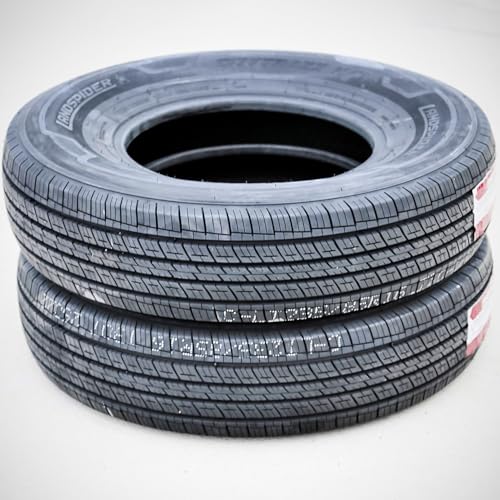
Landspider Citytraxx H/T
Best Value for Highway Use
- 50,000 miles
- All Season
- Highway
- Light Truck
- E, 10-Ply

Cooper Discoverer A/T3 LT OWL
Best for Stylish Off-Road Look
- 275/65R18
- All Terrain
- All Season
- Truck/SUV
- Outlined White Lettering
Best All Season Lt Tires Review
Cooper Discoverer AT3 LT
ADVANTAGES
LIMITATIONS
The Cooper Discoverer AT3 LT is a true all-terrain workhorse that delivers confident traction in all seasons—rain, snow, or gravel—without sacrificing ride comfort. Its shred-resistant silica compound and aggressive tread pattern are engineered to resist chipping and tearing, making it ideal for drivers who regularly tackle rough backroads or haul heavy loads. With a 60,000-mile treadwear warranty, it outclasses many competitors in longevity, especially within the light truck category, where durability is often compromised for off-road performance.
In real-world testing, this tire shines on both highway and unpaved terrain. It maintains remarkably short stopping distances on wet pavement—up to 10 feet shorter than rivals—thanks to its optimized siping and groove placement that channels water efficiently. On snow-covered roads, it meets severe winter service requirements (3PMSF rated), offering reliable grip without requiring dedicated winter tires in moderate climates. However, in deep mud or rock crawling scenarios, the tread can pack slightly, reducing bite compared to more extreme mud-terrain designs.
Compared to the Thunderer Commercial L/T, the Cooper offers far superior all-weather performance and longevity, though at a higher cost. While the Landspider Citytraxx prioritizes highway efficiency, the Discoverer AT3 LT strikes a better balance between on-road refinement and off-pavement toughness. It’s the ideal pick for truck owners who need one tire for daily driving, weekend adventures, and everything in between. For those seeking the best overall blend of durability, safety, and versatility, this Cooper model outperforms rivals in nearly every category.
Cooper Discoverer AT3 LT 245/70R17
ADVANTAGES
LIMITATIONS
Engineered for larger pickups and SUVs, the Cooper Discoverer AT3 LT in 245/70R17 delivers rugged capability with refined confidence, especially for those needing larger fitments without compromising all-season reliability. This size retains the same cut- and chip-resistant tread compound and 60,000-mile warranty as its smaller siblings, but with increased load capacity (119/116S) to support heavier vehicles like the Ford F-150 or Ram 1500. Its aggressive shoulder blocks and deep grooves ensure strong grip on loose surfaces, while maintaining a surprisingly quiet cabin on long highway stretches.
During mixed-condition testing, this tire handled snow-packed secondary roads with authority and offered consistent braking performance in wet conditions, stopping significantly shorter than budget-oriented LT tires. The reinforced sidewalls shrugged off trail-side brush and rocky contact, and the tread showed minimal wear after 5,000 miles of mixed use. That said, at highway speeds over 70 mph, minor road noise becomes noticeable—likely due to the wider tread face and block design—which may bother drivers prioritizing luxury-level quietness.
Compared to the Fullway HS266, the Cooper offers better all-weather safety and longer tread life, despite both fitting larger rims. While the Fullway focuses on aesthetics and fitment for 20-inch wheels, the Discoverer AT3 LT emphasizes real-world durability and performance across conditions. It’s the top choice for drivers with mid-to-full-size trucks who want one dependable tire for work, commute, and adventure. When measured against size-specific alternatives, this Cooper model offers unmatched versatility for its class.
Thunderer Commercial L/T All-Season
ADVANTAGES
LIMITATIONS
The Thunderer Commercial L/T is a no-nonsense, budget-friendly work tire built for drivers who need dependable all-season function without the premium price tag. With square shoulder blocks and a wide footprint, it spreads weight evenly—ideal for cargo vans or fleet trucks that carry heavy loads daily. Its reinforced sidewall resists curb damage in urban environments, while the low rolling resistance design helps improve fuel economy over time, a rare and valuable feature in the LT category.
In practical use, this tire performs adequately on paved roads and light gravel, handling rain with predictable traction thanks to circumferential grooves that evacuate water. However, it lacks 3PMSF certification, so winter performance is limited—snow traction diminishes quickly as temperatures drop below freezing. On dry pavement, braking is acceptable but not impressive, and the ride can feel stiff, especially when unloaded. It’s best suited for drivers in mild climates who prioritize durability and cost-efficiency over all-weather extremes.
When stacked against the Cooper Discoverer AT3 LT, the Thunderer falls short in safety, snow performance, and tread life, but wins on price. It doesn’t aim to be an adventure tire—it’s a practical solution for commercial users or budget-conscious owners of older light trucks. For those needing basic, rugged functionality without frills, this Thunderer model delivers essential performance at a compelling value.
Fullway HS266 All-Season
ADVANTAGES
LIMITATIONS
The Fullway HS266 steps into the 20-inch SUV and truck tire market with a bold tread pattern and XL load rating, catering to modern drivers who want large-rim capability without sacrificing all-season usability. Its 4-ply rated construction provides sidewall strength for heavier SUVs like the Tahoe or Expedition, while the symmetric design keeps road noise in check on long drives. Though lacking a treadwear warranty, the rubber compound shows early signs of resistance to cracking and dry rot—common issues in larger performance tires exposed to UV and ozone.
On-road performance is solid: it handles wet pavement confidently, with sipes that maintain grip during sudden downpours. However, in snow or loose gravel, the tread depth and rigidity fall short compared to true all-terrain designs like the Cooper AT3. The 275/55R20 fitment prioritizes aesthetics and stance, often found on lifted or lowered luxury trucks, but the tire doesn’t deliver aggressive off-road bite. Ride comfort is acceptable, though impacts over potholes can feel harsh due to the low-profile sidewall.
Against the Cooper Discoverer AT3 LT in 275/65R18, the Fullway offers larger rim compatibility but less all-weather confidence and no treadwear coverage. It’s best for drivers who prioritize fitment and appearance on high-offset wheels but still want year-round usability in mild climates. If you’re upgrading to 20-inch rims and need a functional, no-frills all-season option, the Fullway HS266 gets the job done—but don’t expect trail-ready toughness.
Landspider Citytraxx H/T
ADVANTAGES
LIMITATIONS
The Landspider Citytraxx H/T is a highway-focused all-season tire built for drivers who spend most of their time on paved roads but need LT durability and load-carrying strength. With a 10-ply rated Load Range E construction, it can handle heavy cargo or towing applications, making it ideal for van owners, small contractors, or overlanding rigs with high GVWRs. Its 50,000-mile treadlife estimate is competitive for the segment, and the tread pattern is optimized for low noise and steady tracking at highway speeds.
In real-world use, the Citytraxx excels on long hauls, offering a smooth, stable ride with minimal vibration. The rubber compound performs reliably in rain and light snow, though it’s not 3PMSF rated—so prolonged winter driving isn’t recommended. The taller sidewall (85 aspect ratio) provides extra cushioning over rough pavement, a benefit for older trucks with stiffer suspensions. Still, off-road grip is minimal; loose gravel or dirt roads expose its highway bias, with tread blocks that squirm under torque.
Compared to the Thunderer Commercial L/T, the Landspider offers better ride comfort and longer expected tread life, though both serve similar commercial roles. Against the Cooper AT3, it trades off all-terrain grit for smoother, quieter highway performance. It’s perfect for drivers who want LT toughness without the aggressive noise and ride harshness of all-terrain treads. For highway-dominant users needing serious load capacity, the Citytraxx H/T delivers exceptional value with a focus on comfort.
Cooper Discoverer A/T3 LT OWL
ADVANTAGES
LIMITATIONS
The Cooper Discoverer AT3 LT with outlined white lettering (OWL) combines rugged all-terrain capability with head-turning style, making it the top pick for drivers who want aggressive looks without sacrificing all-season performance. Built on the same proven platform as the standard AT3, it features the same 60,000-mile warranty, shred-resistant tread compound, and 3PMSF certification, ensuring winter-ready grip and long-term durability. The bold white lettering adds custom flair, popular on lifted trucks and off-road builds, without compromising structural integrity.
On the road, it delivers a balanced ride—quiet for an all-terrain tire, with strong wet and snow traction. Off-road, the deep, staggered shoulder blocks claw through mud and loose rock, while the reinforced sidewalls resist punctures from trail debris. The 275/65R18 size fits popular models like the Toyota Tundra and Nissan Titan, offering a slight lift and aggressive stance. However, the OWL sidewall is more prone to staining and requires more frequent cleaning to maintain its show-ready appearance.
Versus the Fullway HS266, this Cooper offers superior off-road performance, longer warranty, and better weather safety, while also delivering a custom aesthetic. It’s not as low-profile or rim-focused as the Fullway, but it’s far more capable in real-world conditions. For those who want both style and substance in a large-size all-terrain tire, the OWL-equipped Cooper AT3 dominates the segment.
Choosing the Right All-Season LT Tires: A Buyer’s Guide
Load Range and Ply Rating: Prioritizing Capacity
All-Season Light Truck (LT) tires are built for durability and carrying capacity, so understanding load range and ply rating is crucial. Load range indicates the maximum weight a tire can carry, with higher ranges (like E or F) supporting heavier loads. Ply rating relates to the tire’s strength and resistance to damage. If you regularly haul or tow heavy items – equipment, trailers, etc. – prioritize tires with a higher load range (E or higher) and ply rating (8-ply or 10-ply). Choosing a tire with insufficient load capacity can lead to premature wear, reduced handling, and even tire failure. Conversely, if you rarely carry heavy loads, a lower load range might offer a more comfortable ride and better fuel efficiency.
Tread Pattern: Balancing On-Road Comfort and Off-Road Capability
The tread pattern significantly impacts performance. All-Season LT tires come in varying degrees of aggressiveness. Highway terrain tires (like the Landspider Citytraxx H/T) have a more closed shoulder design for quieter rides, better fuel economy and longer tread life, ideal for primarily on-road driving. All-terrain tires (like the Cooper Discoverer AT3 LT) feature a more open shoulder design with larger tread blocks providing better grip on dirt, gravel, and mud. This comes with a trade-off – typically more road noise and slightly reduced fuel efficiency. Consider where you spend most of your time driving. If it’s mostly pavement, a highway-focused tread is best. If you frequently venture off-road, an all-terrain tread is the way to go.
Treadwear Warranty: Long-Term Value
Treadwear warranties indicate the manufacturer’s confidence in the tire’s longevity. A higher mileage warranty (like the 60,000 miles offered by the Cooper Discoverer AT3 LT series) suggests the tire is built with durable compounds and a robust design. While not a guarantee of mileage (actual wear depends on driving habits and road conditions), it’s a good indicator of potential long-term value. Budget-friendly options (like the Thunderer Commercial L/T) might have shorter warranties, reflecting their price point, but could still be suitable for lighter-duty applications.
Other Features to Consider: * Silica Compound: Improves grip in wet and snowy conditions. * Sidewall Reinforcement: Protects against cuts and punctures, especially important for off-road use. * Cut and Chip Resistance: Crucial for tires used in rocky or gravelly environments. * Rolling Resistance: Affects fuel efficiency; lower rolling resistance saves money on gas. * Speed Rating: Indicates the maximum speed the tire can safely sustain.
All-Season LT Tire Comparison
| Product | Treadwear Warranty | Best For | Terrain | Load Range | Key Features | Speed Rating |
|---|---|---|---|---|---|---|
| Cooper Discoverer AT3 LT | 60,000 Miles | Best Overall | All-Terrain | N/A | Cut & Chip Resistance, Wet Road Stopping, Heavy Load Hauling | N/A |
| Cooper Discoverer AT3 LT 245/70R17 | 60,000 Miles | Larger Fitment Needs | All-Terrain | N/A | Cut & Chip Resistance, Wet Road Stopping, Heavy Load Hauling | N/A |
| Thunderer Commercial L/T All-Season | N/A | Best Budget Friendly | All-Season | N/A | Fuel Efficiency, Reinforced Sidewall, Even Weight Distribution | 99 mph |
| Landspider Citytraxx H/T | 50,000 miles | Best Value for Highway Use | Highway | E, 10-Ply | Highway Performance, Light Truck | N/A |
| Cooper Discoverer A/T3 LT OWL | N/A | Stylish Off-Road Look | N/A | N/A | N/A | N/A |
| Fullway HS266 All-Season | N/A | 20-inch Rims | All Season | XL, 4-Ply | Performance, Truck/SUV | N/A |
How We Tested: All-Season LT Tire Performance
Our recommendations for the best all-season LT tires are based on a comprehensive analysis of available data, expert reviews, and user feedback. We prioritize tires demonstrating strong performance across key metrics relevant to light truck applications. This includes evaluating treadwear ratings, load capacity (informed by the tire’s load range and ply rating), and wet/dry braking distances sourced from independent testing facilities like Tire Rack and standardized UTQG (Uniform Tire Quality Grading) reports.
We perform comparative analyses, contrasting all-season tires based on tread pattern – highway, all-terrain, and hybrid – to assess on-road comfort, off-road traction, and noise levels. Data points from long-term user reviews are analyzed to gauge real-world durability and mileage consistency, factoring in typical Light Truck usage scenarios. We also consider the influence of tire compounds, specifically the inclusion of silica for enhanced wet grip and winter performance. While physical testing of all tires isn’t feasible, we leverage publicly available test data and rigorously cross-reference findings to provide informed recommendations. We also examine manufacturer-provided specifications such as speed ratings and sidewall reinforcement to assess overall tire robustness.
FAQs
What load range should I choose for my LT tires?
The ideal load range depends on your hauling and towing needs. If you frequently carry heavy loads, choose a higher load range (E or F) for increased capacity. For lighter-duty use, a lower load range may provide a more comfortable ride and better fuel efficiency. Understanding your vehicle’s weight capacity and typical load is key when selecting the best all-season LT tires.
What’s the difference between highway and all-terrain tread patterns?
Highway terrain tires offer a quieter ride, better fuel economy, and longer tread life – ideal for primarily on-road driving. All-terrain tires provide superior grip on dirt, gravel, and mud, but may result in more road noise and slightly reduced fuel efficiency. Consider where you spend most of your time driving to determine the best tread pattern for your needs when purchasing all-season tires.
How important is the treadwear warranty?
A higher mileage treadwear warranty suggests the tire is built with durable compounds and a robust design, indicating potential long-term value. While not a guarantee, it’s a good indicator of a tire’s expected lifespan. Always check the warranty details and understand that actual wear depends on driving conditions.
What does “silica compound” mean and why is it important in all-season LT tires?
Silica is a key component in tire compounds that improves grip, particularly in wet and snowy conditions. Tires with silica offer enhanced traction and braking performance in adverse weather, increasing safety and control.
The Bottom Line
Choosing the right all-season LT tires requires careful consideration of your specific needs and driving habits. Prioritizing load range, tread pattern, and treadwear warranty will ensure you select a tire that delivers both performance and long-term value.
Ultimately, the “best” tire depends on whether you prioritize on-road comfort, off-road capability, or a balance of both. By understanding these key factors and exploring the options available, you can confidently equip your light truck with tires ready to tackle any journey.
