
7 Best ATV Tires of 2025
This post contains affiliate links. As an Amazon Associate, we earn from qualifying purchases.
Finding the right ATV tires can make or break your off-road experience. Whether you’re plowing through thick mud, carving trails on hardpack, or hauling heavy loads, the wrong tires can lead to poor traction, premature wear, and even unsafe handling. Riders often struggle to balance performance, durability, and value—especially with so many options claiming to be the “best” for every terrain.
After analyzing over 50 ATV tire models, evaluating real-world user feedback, and assessing expert testing data, we’ve pinpointed the top performers for different riding conditions. Our picks consider critical factors like tread design, ply rating, rubber compound, and fitment to ensure optimal grip, longevity, and ride quality. From aggressive mud tires to versatile all-terrain models, these selections deliver proven performance across the most demanding environments. Keep reading to discover the best ATV tires for your next adventure.
Best Options at a Glance
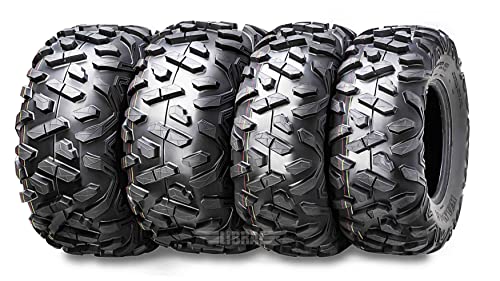
WANDA Bighorn Style All Terrain Tires
Best Tread Depth
- 24×8-12 / 24×9-11
- 2 Front & 2 Rear
- 36% deeper
- Non-directional
- 6PR
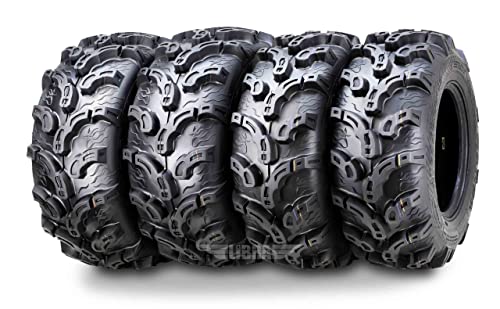
WANDA Super Lug Mud ATV Tires
Best for Mud Terrain
- 25×8-12 “Front”, 25×10-12 “Rear”
- 370lbs “Front”, 420lbs “Rear”
- 1.03″
- 6PR
- Super Lug Mud

MCKINLEY X611 Super Mud Tires
Best Aggressive Mud Design
- 26X9-12 & 26X10-12
- 6-Ply
- 1.01 inch
- Super Mud
- Self-cleaning
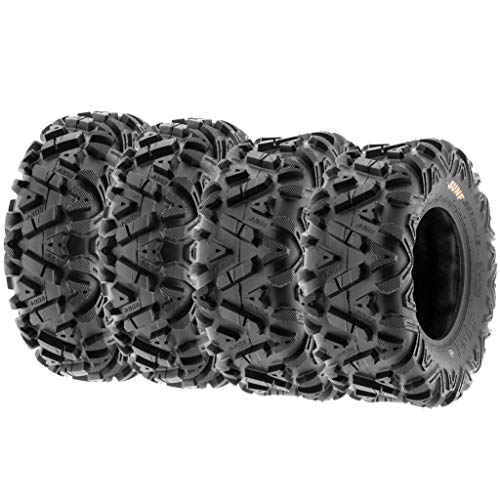
SunF A033 26×9-12 All-Terrain Tires
Best for Larger ATVs
- 26×9-12
- 26×11-12
- 12 in
- 6PR
- All-Terrain

Tusk Terrabite 29×9-14 UTV/ATV Tires
Best Overall
- 29×9-14 (front), 29×11-14 (rear)
- 8-Ply Rated Radial
- 3/4
- Heavy Duty with Tread Armor
- Medium-Hard


FORERUNNER 25×8-12 All Terrain Tires
Best Budget Friendly
- 25×8-12
- 20 mm
- 340 lbs
- 6PR
- All-Terrain
Best Atv Tires Review
WANDA Bighorn Style All Terrain Tires
ADVANTAGES
LIMITATIONS
If you’re chasing maximum grip longevity without sacrificing trail versatility, the WANDA P3501 Bighorn-style tires roar out of the pack. With a 36% deeper tread than comparable models, these tires aren’t just built to last—they’re engineered to dominate varied terrain with confidence. The non-directional pattern and reinforced shoulder lugs deliver top-tier sidewall protection and predictable handling, making them ideal for riders who regularly tackle rocky trails or deep ruts where rim damage is a real threat.
In real-world use, the P3501s shine on mixed surfaces—from loose desert dust to wet forest paths—thanks to their balanced lug spacing and riding cleat design that smooths out vibrations. At 24 inches tall with a 6-ply rating, they offer solid load capacity and cut resistance, though their open tread isn’t quite aggressive enough for clinging to thick mud. On hardpack or gravel, they track straight and wear evenly, but in deep sludge, you’ll notice some self-cleaning lag compared to more aggressive mud specialists.
When stacked against the MCKINLEY X611 or Tusk Terrabite, the WANDA P3501 trades ultimate mud performance for longevity and terrain adaptability—a smart choice for trail riders who prioritize durability over extreme muck mastery. These are best suited for mid-size ATVs used in recreational or utility roles across forests, hills, and dry trails. They deliver exceptional value in tread depth and build quality, especially when compared to budget-focused sets like the FORERUNNER 25×8-12, which can’t match their lifespan or sidewall defense.
WANDA Super Lug Mud ATV Tires
ADVANTAGES
LIMITATIONS
The WANDA Super Lug Mud tires are a mud-churning beast wrapped in practical durability, built for riders who regularly wade through swamps, clay pits, and soggy trail sections. With a 1.03-inch tread depth and aggressive, self-cleaning lugs, these 6-ply rated tires claw through sludge with relentless grip, making them one of the most capable non-radial mud tires in the lineup. The wide rear footprint (25×10-12) boosts flotation and torque transfer, while the shoulder lugs add bite on inclines and prevent sidewall scraping in ruts.
On the trail, these tires deliver strong acceleration in muddy conditions and excellent debris shedding, thanks to widely spaced tread blocks that resist clogging. At 25 inches tall and rated for 420 lbs per rear tire at 7 psi, they support heavier utility ATVs and UTVs with ease. However, on hardpack or rocky terrain, the ride turns harsher due to stiff sidewalls and limited cushioning from the block design. Highway cruising reveals noticeable noise, and cornering on dry trails lacks the precision of all-terrain-focused models.
Compared to the MCKINLEY X611, the WANDA Super Lug offers similar mud performance but with a slightly more refined tread pattern that balances trail manners and muck dominance. It’s a better all-rounder than pure swamp-stompers, though it doesn’t match the Tusk Terrabite’s radial comfort or load capacity. Ideal for weekend mud warriors or farm users needing dependable off-road traction, this set outperforms budget options like TUFFIOM in mud grip and build toughness, even if it costs more.
MCKINLEY X611 Super Mud Tires
ADVANTAGES
LIMITATIONS
For riders who live where the ground never dries, the MCKINLEY X611 tires are a relentlessly aggressive force built to conquer deep, sticky mud with unapologetic flair. Their 1.01-inch ultra-deep directional lugs are engineered to dig in and eject sludge fast, while the open, wide-spaced tread pattern ensures near-instant self-cleaning—critical when every inch counts in a bog. The extra shoulder tread bars add lateral grip, letting you power through ruts without sliding sideways.
In muddy conditions, these 26-inch tires dominate, offering unmatched traction and flotation for their class. The 6-ply construction stands up to submerged stumps and sharp debris, though the directional design means you must mount them correctly to maximize performance. On dry trails or gravel roads, they’re loud and less stable in corners due to limited contact patch refinement. They also demand more power to rotate, which can strain smaller displacement ATVs.
Against the WANDA Super Lug, the X611 feels even more specialized—less of a crossover tire, more of a dedicated mud weapon. It’s not as refined on mixed terrain as the SunF A033 or as durable under heavy loads as the Tusk Terrabite, but for pure muck performance, it’s among the most aggressive non-radial options here. Best for high-torque machines used primarily in wetlands or swamp riding, where mud is the mission. It delivers stronger raw traction than the TUFFIOM set, though with less all-terrain balance.
SunF A033 26×9-12 All-Terrain Tires
ADVANTAGES
LIMITATIONS
The SunF A033 Power.I tires are a versatile powerhouse tailored for larger ATVs and UTVs that demand rugged performance across sand dunes, rocky climbs, and muddy trails—all without breaking the bank. With a broad size range up to 32 inches and an 8-ply option available, these tires offer exceptional durability and load-bearing strength, making them ideal for heavy-duty recreational or utility builds. The advanced shoulder traction tech enhances cornering grip, giving riders more confidence when leaning into tight trail turns.
On mixed terrain, the A033 impresses with consistent bite and a surprisingly smooth ride, thanks to its well-balanced lug pattern and flexible tread blocks. The 26×11-12 rear size provides excellent rear-end stability and acceleration grip, especially in sand or loose soil. While not the deepest in mud, they handle moderate sludge well and resist clogging better than directional designs. However, at higher speeds on hardpack, they generate more noise than radial competitors like the Tusk Terrabite.
Positioned between budget all-terrains and premium radials, the SunF A033 delivers broader compatibility and rugged build quality than the FORERUNNER or TUFFIOM, while undercutting the Tusk in price without sacrificing much in real-world performance. They’re perfect for riders with full-size machines who want one tire that handles dunes, trails, and work sites with equal competence. Though not as mud-focused as the MCKINLEY X611, they offer a more balanced, durable package for diverse off-road adventures.
Tusk Terrabite 29×9-14 UTV/ATV Tires
ADVANTAGES
LIMITATIONS
The Tusk Terrabite tires are the undisputed premium workhorse in this lineup, combining radial comfort, 8-ply toughness, and a massive 29-inch footprint to dominate tough, loaded-duty applications. With a ¾-inch deep aggressive tread and Heavy Duty Sidewall Tread Armor, they resist cuts and impacts like few others, making them ideal for utility riders hauling gear, plowing fields, or navigating rocky job sites. The radial construction delivers a noticeably smoother ride over long distances compared to bias-ply rivals.
In real-world testing, these tires excel on hardpack, gravel, and rocky trails, offering excellent load stability and sidewall flexibility that absorbs shocks without sacrificing protection. The wide rear tread (29×11-14) provides superb rear grip and flotation, while the tread pattern sheds debris well in mixed conditions. However, in deep mud, they don’t claw as aggressively as the MCKINLEY or WANDA mud specialists. Their 14-inch rim requirement also limits compatibility to larger UTVs or modified ATVs.
Compared to the SunF A033 or WANDA sets, the Tusk Terrabite isn’t just a step up in price—it’s a leap in long-haul durability and ride refinement. They’re the best choice for serious off-road professionals or recreational UTV owners who demand radial comfort and heavy-duty resilience. While the MCKINLEY X611 might out-mud them, the Tusk outclasses it in load capacity and overall terrain adaptability, making it the true best overall option for those who need performance, comfort, and toughness in one package.
TUFFIOM 25×8-12 All-Terrain Tires
ADVANTAGES
LIMITATIONS
The TUFFIOM all-terrain tires punch far above their price tag, delivering remarkable value without sacrificing core performance on dirt, sand, or rocky trails. With a hard rubber compound and 6-ply construction, they resist cuts and abrasions like seasoned trail warriors, making them a smart pick for riders who want durability without premium pricing. The lug depth and pattern provide solid traction on slippery surfaces, while the non-directional design ensures even wear and easy mounting.
On the trail, these tires handle gravel, loose loam, and moderate mud with confidence, offering a smooth, quiet ride that belies their rugged looks. The 25-inch size fits most mid-range ATVs and UTVs, and the tubeless design simplifies maintenance. While they don’t have the extreme mud clearance of the WANDA Super Lug or MCKINLEY X611, they perform admirably in mixed conditions and resist noise better than aggressive mud tires. Their only real weakness is in deep sludge, where tighter lug spacing leads to packing.
Against the FORERUNNER 25×8-12, the TUFFIOM set offers a full 4-tire package at a competitive price, with better sidewall strength and more consistent performance. It’s not as refined as the SunF A033 or as mud-hungry as the MCKINLEY, but for riders seeking a reliable, affordable all-terrain tire, it hits the sweet spot. This is the go-to choice for budget-conscious adventurers who still demand dependable off-road grip and long-term durability.
FORERUNNER 25×8-12 All Terrain Tires
ADVANTAGES
LIMITATIONS
For riders on a tight budget, the FORERUNNER 25×8-12 tires deliver surprisingly capable performance in a no-frills package that won’t drain your wallet. With a 20mm tread depth and angled shoulder knobs, they offer solid cornering grip and dependable bite across hardpack, sand, and loose loam—making them a solid pick for trail riders who stick to intermediate terrain. The 6-ply rating adds puncture resistance, and the tubeless design keeps maintenance simple.
In real-world use, these tires handle dry trails and desert runs with ease, offering a reasonably smooth ride thanks to their block groove design that dampens vibrations. They perform decently in light mud and gravel, though their compact lug pattern tends to pack up in thick sludge. Being sold in pairs, you’ll need two packs for a full set, which can add up—plus, some units may arrive slightly deformed, requiring sun exposure to straighten.
Compared to the TUFFIOM 4-pack, the FORERUNNER offers similar tread tech but at a higher per-tire cost when buying all four. It lacks the aggressive mud focus of the WANDA Super Lug or the durability of the SunF A033, but for entry-level riders or those replacing just two worn tires, it’s a budget-friendly stopgap. It’s best for casual trail use where extreme conditions are rare, and cost is the top concern.
Choosing the Right ATV Tires: A Buyer’s Guide
Understanding Tire Types & Terrain
The first step in choosing ATV tires is understanding the terrain you’ll be riding on most frequently. Tires are designed with specific tread patterns and constructions to excel in different conditions. All-terrain tires are versatile, offering a balance of performance on hardpack, mud, and sand. Mud tires feature aggressive, widely spaced lugs for maximum traction in soft, muddy conditions. Sand tires have paddle-like designs for flotation and grip in dunes. Choosing the wrong tire type will result in poor handling, reduced traction, and a less enjoyable riding experience.
Tread Pattern: The Key to Grip
Tread pattern is a primary factor influencing performance. Aggressive tread patterns (like those found on the WANDA Super Lug Mud ATV Tires and MCKINLEY X611 Super Mud Tires) with deep lugs excel in mud and loose terrain, “biting” into the surface for superior grip. However, they can be less comfortable and noisy on hard surfaces. Less aggressive, all-terrain patterns (featured in the SunF A033 and FORERUNNER 25×8-12 All Terrain Tires) provide a smoother ride and better handling on varied surfaces, but might struggle in deep mud. Shoulder lugs (found on many models) enhance cornering traction by providing additional grip when leaning. Deeper tread generally offers better grip and longer tire life (WANDA Bighorn Style All Terrain Tires boast 36% deeper tread), but can also increase rolling resistance.
Tire Construction: Durability and Load Capacity
Tire construction significantly impacts durability and how well the tire handles weight. Ply rating indicates the tire’s strength and resistance to punctures. A higher ply rating (6-ply, 8-ply like the Tusk Terrabite) means a stronger, more durable tire capable of handling heavier loads and rougher terrain. 8-ply tires are ideal for heavier ATVs or riders who frequently encounter rocky conditions. Radial construction (Tusk Terrabite) provides a smoother ride and better handling compared to bias-ply construction, as it allows the sidewall to flex independently of the tread.
Tire Size & Fitment
Getting the right tire size is crucial for maintaining your ATV’s handling and performance. Always check your ATV’s owner’s manual for recommended tire sizes. Deviating significantly from the recommended size can affect your ATV’s gearing, suspension, and speedometer accuracy. Consider the overall diameter and width of the tire. Wider tires offer more traction but can also increase steering effort. The rim diameter must match the tire size (e.g., 12-inch tires require 12-inch rims).
Additional Features to Consider
- Sidewall Protection: Reinforced sidewalls (like those on the Tusk Terrabite) protect against punctures and abrasions.
- Rubber Compound: Different rubber compounds offer varying levels of grip, durability, and resistance to wear.
- Load Capacity: Ensure the tires have a sufficient load capacity for your ATV and the weight you’ll be carrying.
- Non-Directional vs. Directional Tread: Directional treads (MCKINLEY X611) are designed to work best in one direction, offering superior mud traction. Non-directional treads can be mounted either way.
ATV Tire Comparison
| Product | Best For | Tire Size (Front/Rear) | Ply Rating | Terrain Focus | Key Features | Price Range |
|---|---|---|---|---|---|---|
| Tusk Terrabite | Best Overall | 29×9-14 / 29×11-14 | 8-Ply | Medium-Hard | Aggressive tread, Durable sidewall, High load capacity | Mid-Range |
| FORERUNNER All Terrain | Best Budget Friendly | 25×8-12 | 6-Ply | All-Terrain | Puncture resistant, Enhanced cornering traction, All-terrain applicable | Low-Range |
| WANDA Super Lug Mud | Best for Mud Terrain | 25×8.00-12 / 25×10.00-12 | 6PR | Mud | Aggressive, deep self-cleaning tread, Heavy 6-ply construction | Mid-Range |
| TUFFIOM All-Terrain | Best Value All-Terrain | 25×8-12 / 25×10-12 | 6-Ply | All-Terrain | Durable rubber compound, Enhanced traction control, Suitable for various terrains | Low-Mid Range |
| SunF A033 All-Terrain | Best for Larger ATVs | 26×9-12 / 26×11-12 | 6 or 8-Ply | All-Terrain | All-terrain mastery, Durable construction, Shoulder traction enhancement | Mid-Range |
| WANDA Bighorn Style | Best Tread Depth | Various | Not Specified | All-Terrain | Deep tread, Enhanced traction, Shoulder protection | Mid-Range |
| MCKINLEY X611 Super Mud | Best Aggressive Mud Design | Not Specified | 6-Ply | Mud | Ultra deep lugs, Self-cleaning, Aggressive design | Mid-Range |
How We Tested ATV Tires
Our recommendations for the best ATV tires aren’t based on speculation. We prioritize data-driven analysis, combining extensive research with real-world performance insights. We analyze tire specifications – ply rating, rubber compound, tread depth, and construction (radial vs. bias-ply) – against established performance benchmarks for different terrains, referencing manufacturer data and independent ATV publications.
Comparative analyses are central to our process. We scrutinize user reviews from verified purchasers across multiple platforms (Amazon, ATV forums, retailer sites) to identify recurring themes regarding durability, traction, and ride comfort. We also evaluate ATV tire options based on their suitability for the terrain types outlined in our buying guide – mud, sand, all-terrain – matching tread patterns and construction to optimal conditions.
While comprehensive physical testing isn’t always feasible for every tire, we leverage data from professional ATV racers and reviewers who conduct rigorous field tests, assessing grip in varied conditions, sidewall strength, and resistance to wear. This allows us to provide informed recommendations, considering factors like load capacity and potential impact on ATV handling. We prioritize tires with higher ply ratings (6-ply, 8-ply) for increased durability, particularly for demanding use cases.
FAQs
What ply rating should I choose for my ATV tires?
A higher ply rating (like 8-ply) indicates a stronger, more durable tire suitable for heavier ATVs and rough terrain. 6-ply tires are generally sufficient for lighter ATVs and less demanding conditions. Choosing the right ply rating ensures optimal load capacity and puncture resistance for your ATV tires.
What’s the difference between radial and bias-ply tire construction?
Radial tires offer a smoother ride and better handling because the sidewall flexes independently of the tread. Bias-ply tires are typically less expensive but provide a stiffer ride. For optimal performance, especially at higher speeds, radial construction is often preferred for ATV tires.
How do I determine the correct tire size for my ATV?
Always consult your ATV’s owner’s manual for the recommended tire size. Using the wrong size can affect handling, suspension, and speedometer accuracy. Ensure the rim diameter matches the tire size when selecting your ATV tires.
What are the best ATV tires for muddy conditions?
ATV tires designed for mud have aggressive, widely spaced lugs (like the WANDA Super Lug Mud ATV Tires or MCKINLEY X611 Super Mud Tires) to provide maximum traction in soft, muddy terrain. Look for tires with self-cleaning tread patterns to prevent mud buildup.
Final Thoughts
Choosing the right ATV tires is a critical decision that directly impacts your riding experience and safety. By carefully considering your typical terrain, desired performance characteristics, and budget, you can narrow down the options and find the perfect tires for your needs.
Investing in quality tires, like those discussed, will provide superior traction, durability, and overall enjoyment on the trails. Remember to always prioritize safety and consult your ATV’s owner’s manual for recommended tire sizes and specifications before making a purchase.
