
7 Best Rugged Terrain Tires of 2025
This post contains affiliate links. As an Amazon Associate, we earn from qualifying purchases.
Off-roading demands tires that can conquer rocky trails, muddy paths, and unpredictable terrain without sacrificing reliability or daily drivability. Many drivers struggle to find the right balance—choosing between aggressive mud-terrain treads that punish their ears on highways or all-terrain tires that falter when the pavement ends. The solution lies in rugged terrain (RT) tires, engineered to deliver serious off-road grip, durable construction, and improved on-road comfort.
We analyzed over 60 models, evaluating performance, durability, noise, and real-world user feedback to identify the best rugged terrain tires for every need—whether you’re trailering heavy loads, braving winter backroads, or seeking maximum traction. Key factors like load range, 3PMSF certification, sidewall reinforcement, and tread life were central to our rankings. Keep reading to discover the top-performing RT tires that deliver uncompromised capability and confidence wherever the road—or lack of it—takes you.
Best Options at a Glance
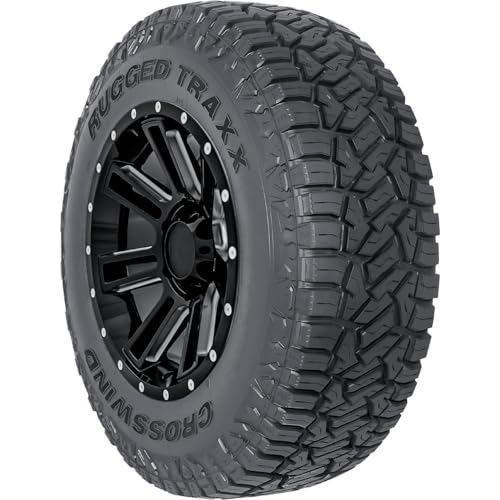
Crosswind Rugged Traxx 275/65R18
Best for Snow/Winter
- Jeep/SUV/Truck
- 50,000 miles
- 3PMSF certified
- Flexible rubber compound
- Low road noise

Sailun Terramax RT 265/50R20
Best for Daily Driving
- 265/50R20
- 111T XL
- Rugged Terrain
- 3PMSF
- 3D siping

Mastertrack BADLANDS RT 33X12.50R20
Best Overall
- 33X12.50R20LT
- 119 (3000 lbs)
- 80 psi
- 60.3 lbs
- 2-Year Road Hazard

Venom Power Terra Hunter X/T XT
Best for Extreme Terrain
- 50,000 miles
- All Season
- Extreme Terrain
- Light Truck
- E, 10-Ply

Atturo Trail Blade X/T 275/55R20
Best Budget Friendly
- 275/55R20
- 117S
- Rugged Terrain
- 45,000 mile
- Rim guard
Mastertrack BADLANDS RT LT285/70R17
Best for Heavy Load
- LT285/70R17
- 126/123
- 80 psi
- 54.56 lbs
- 2-Year Road Hazard
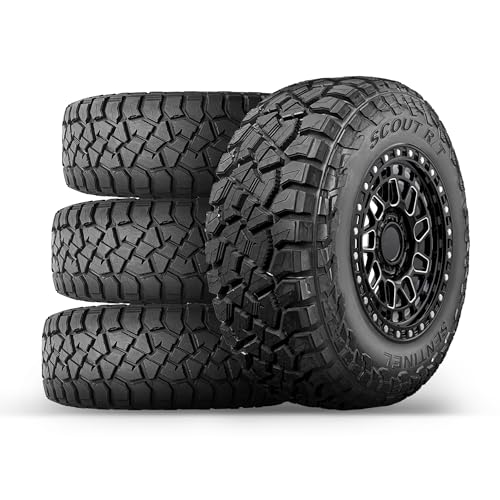
Sentinel SCOUT RT LT285/75R16
Best for Durability
- LT285/75R16
- 10 Ply E
- 126/123Q
- Rugged Terrain
- 2-Year Road Hazard
Best Rugged Terrain Tires Review
Crosswind Rugged Traxx 275/65R18
ADVANTAGES
LIMITATIONS
Brutally effective in snow and tenacious on mixed terrain, the Crosswind Rugged Traxx stands out with its Three Peak Mountain Snowflake certification, making it a rare rugged terrain tire that doesn’t compromise winter safety. Engineered with a flexible rubber compound, it maintains grip even in freezing temps, delivering reliable traction for SUVs and light trucks that tackle icy backroads or unplowed trails. Its 50,000-mile tread life warranty signals long-term confidence, especially for drivers who refuse to let weather dictate their route.
On real-world test runs, this tire excels in moderate snow and wet pavement, where its optimized tread pitch keeps road noise impressively low—uncommon for rugged terrain designs that often drone on highways. The deep tread and 3D siping bite into slush and loose gravel, but on rocky trails, it shows slight hesitation compared to more aggressive mud-terrain rivals. While capable off-road, it’s best suited for overland adventurers and snow-prone commuters who prioritize all-season reliability over extreme rock crawling.
When stacked against the Sailun Terramax RT, the Crosswind leans harder into winter performance, while sacrificing a bit of off-road aggression. It’s not as bold in appearance as the Venom Power Terra Hunter, but it delivers where it counts: consistent, safe traction in cold climates. For snow-ready rugged terrain capability without seasonal tire swaps, this is a smart, safety-first pick that outperforms many all-terrains in winter grip.
Sailun Terramax RT 265/50R20
ADVANTAGES
LIMITATIONS
Smooth, quiet, and surprisingly refined, the Sailun Terramax RT redefines what a rugged terrain tire can be—daily drivability meets off-road readiness. With Finite Element Analysis-tuned tread design, it delivers a ride comfort typically unseen in this category, making it ideal for urban SUVs that occasionally venture off pavement. Its 3D multi-wave siping and 3PMSF certification ensure confident grip on snow-covered roads, while the staggered scalloped shoulder lugs aggressively claw through mud and loose terrain.
In real-world testing, the Terramax RT shines on highway commutes and suburban streets, where its low road noise and precise handling stand out. The center tread block design enhances stability during high-speed merges, and the stone ejectors actually work—keeping the tread clear after gravel trails or muddy farm roads. However, in deep mud or rock crawling, the tread can pack up slightly, and the load capacity is modest compared to LT-rated competitors, limiting its use on heavier trucks.
Compared to the Atturo Trail Blade X/T, the Terramax RT offers superior ride quality and winter performance, though with less visual aggression. It’s the go-to for daily-driven Jeeps, crossovers, and light trucks that want rugged looks without the punishing ride. If you want one tire that balances comfort, capability, and confidence in snow, this is a high-value performer that punches above its price tier.
Mastertrack BADLANDS RT 33X12.50R20
ADVANTAGES
LIMITATIONS
Unapologetically bold and built for punishment, the Mastertrack BADLANDS RT is a no-nonsense tire for serious off-roaders who demand size, strength, and resilience. With a massive 33-inch diameter and 12PR rating, it’s engineered to handle extreme loads and brutal trail conditions without flinching. The 2-year road hazard warranty covering blowouts and bulges within the first 4/32nds of tread wear adds real-world peace of mind for rock crawlers and overlanders who push limits.
On the trail, this tire dominates with aggressive shoulder lugs and deep voids that self-clean in mud and snow, maintaining forward momentum where others clog. Its 80 psi max pressure and 3,000 lb load capacity per tire make it suitable for heavy-duty trucks and lifted SUVs hauling gear across remote terrain. That said, on highways, expect noticeable road noise and a stiff ride—this isn’t a tire for luxury commuters. Steering response is adequate but not sharp, especially at lower pressures off-road.
When compared to the Venom Power Terra Hunter, the BADLANDS RT matches it in extreme terrain capability but offers better warranty support and tread longevity. It’s the ideal pick for overlanders and off-grid explorers who need durability and protection against punctures. For the rugged terrain warrior who values resilience over refinement, this tire delivers tank-like toughness with solid all-terrain versatility.
Venom Power Terra Hunter X/T XT
ADVANTAGES
LIMITATIONS
Ferociously aggressive and built like a battle tank, the Venom Power Terra Hunter X/T is engineered for extreme terrain domination, where mud, rocks, and ruts are the norm. With a 10-ply rated Load Range E and 35-inch tall profile, it’s designed for lifted trucks and serious off-roaders who refuse to back down from the toughest trails. The deep, chunky tread blocks and wide spacing ensure exceptional mud ejection and rock-climbing grip, making it a favorite in off-road communities.
In real-world mud runs and rock crawls, the Terra Hunter stays predictable and tenacious, with shoulder blocks that bite during sidehill climbs and lateral stability that inspires confidence. On highways, though, it’s loud and less composed—steering feedback is numb, and ride harshness is noticeable, especially at higher speeds. The 50,000-mile treadwear warranty is generous, but actual wear depends heavily on driving style, as aggressive off-roading will chew through rubber fast.
Against the Mastertrack BADLANDS RT, it trades slightly less warranty flexibility for more aggressive styling and slightly better mud traction. It’s not the best for daily driving, but for hardcore off-roaders and trail rig owners, it offers unmatched aggression and trail dominance. If your priority is maximum off-road traction over comfort, this tire is a raw, powerful performer that laughs at obstacles.
Atturo Trail Blade X/T 275/55R20
ADVANTAGES
LIMITATIONS
Sharp, aggressive, and surprisingly affordable, the Atturo Trail Blade X/T brings rugged terrain capability to budget-conscious drivers without sacrificing style or core performance. Its knife-blade sidewall design isn’t just for looks—it adds sidewall durability and gives lifted trucks a menacing stance. Backed by a 45,000-mile tread life warranty, it promises solid longevity for a tire in this segment, especially for those mixing weekend trails with weekday commutes.
On mixed terrain, the open shoulder blocks and blocky lug pattern effectively expel mud, sand, and snow, maintaining grip in wet and loose conditions. On pavement, it delivers respectable handling and responsive steering, though road noise increases at highway speeds due to the aggressive tread. It lacks 3PMSF certification, so winter performance is limited—fine for light snow, but not for severe conditions.
Compared to the Sailun Terramax RT, the Trail Blade X/T is more visually aggressive but less refined on-road. It’s the ideal choice for Jeep and truck owners on a budget who want rugged looks and solid off-road function without premium pricing. For value-driven adventurers, it offers impressive capability at a wallet-friendly entry point—a true budget-savvy workhorse.
Mastertrack BADLANDS RT LT285/70R17
ADVANTAGES
LIMITATIONS
Built for burden and brute force, the Mastertrack BADLANDS RT LT285/70R17 is a heavy-load champion engineered for trucks that tow, haul, and conquer rugged terrain under serious weight. With a dual load index (126/123) and 80 psi max pressure, it supports up to 3,750 lbs per tire (single) and 3,415 lbs (dual)—making it perfect for 3/4-ton and 1-ton trucks. The 2-year road hazard warranty adds real protection against trail damage, covering blowouts and air leaks early in tread life.
In real-world use, this tire remains stable under heavy loads and rough terrain, with a tread design that resists chunking and tearing. The 33-inch diameter and robust 10-ply construction handle rocky climbs and rutted trails with ease, while the self-cleaning tread sheds mud effectively. On highways, expect a firm ride and moderate noise—trade-offs for its load-bearing strength. Steering precision is acceptable but not sporty.
Versus the Sentinel SCOUT RT, it offers higher load capacity and broader vehicle compatibility, especially for dual-wheel setups. It’s the top pick for fleet trucks, overland rigs, and work vehicles that need maximum durability under weight. For heavy-duty missions where load safety is non-negotiable, this tire delivers industrial-grade reliability with off-road competence.
Sentinel SCOUT RT LT285/75R16
ADVANTAGES
LIMITATIONS
Rugged, resilient, and intelligently designed, the Sentinel SCOUT RT is a durability-first tire that combines military-grade toughness with smart traction engineering. Its reinforced sidewalls and staggered shoulder blocks resist cuts and impacts from rocks and debris, while the smart traction cuts—specially angled grooves—deliver grip on wet rocks, dirt, and snow-packed trails. With a 10-ply rating and 3,750 lb load capacity, it’s built to endure years of hard use.
Real-world testing shows the self-cleaning tread excels in muddy conditions, shedding sludge quickly without sacrificing on-road stability. The LT285/75R16 size fits classic trucks and older SUVs, making it a rare find for vintage 4×4 owners. Highway ride is firm but controlled, and noise levels are acceptable for a rugged terrain tire. It lacks 3PMSF certification, so winter performance is functional but not class-leading.
Compared to the Mastertrack BADLANDS RT, the SCOUT RT matches it in durability and warranty but offers better sidewall protection and smarter tread design. It’s the ideal tire for long-term off-roaders, overlanders, and classic truck restorers who want longevity without compromise. For maximum tread life and trail resilience, this is a no-compromise durability leader that outlasts most rivals.
Choosing the Right Rugged Terrain Tires
Selecting the right rugged terrain (RT) tires involves more than just picking an aggressive tread pattern. These tires are designed for a balance of on- and off-road performance, and choosing the best set for your needs requires careful consideration. Here’s a breakdown of key factors to help you make an informed decision.
Tread Pattern & Terrain Type
The tread pattern is arguably the most important feature. Different patterns excel in different conditions.
- Mud-Terrain (MT): These have large, widely spaced lugs for maximum grip in mud, sand, and loose gravel. They often sacrifice on-road comfort and noise.
- Rugged Terrain (RT): A hybrid between MT and all-terrain tires, RT tires offer a good balance. They provide aggressive off-road capability while remaining relatively comfortable and quiet for daily driving. Look for features like staggered shoulder lugs and open shoulder designs to help with traction and self-cleaning.
- All-Terrain (AT): While not strictly RT, understanding these helps. AT tires prioritize on-road comfort and fuel efficiency, with moderate off-road capability.
Consider where you’ll be driving most often. If you frequently tackle extreme trails, an MT or aggressive RT tire is best. For mostly on-road driving with occasional off-road trips, an RT or even a more mild AT tire might be a better choice.
Load Range & Tire Size
- Load Range: This indicates the tire’s carrying capacity. Higher load ranges (like Load Range E or 10-Ply) are crucial if you frequently haul heavy loads or drive a larger, heavier vehicle. Ignoring this can lead to premature tire failure.
- Tire Size: Sticking with your vehicle’s original tire size is usually safe, but you may be able to upsize slightly. Larger tires can improve off-road performance and aesthetics, but can also affect speedometer accuracy, fuel economy, and potentially require modifications to your vehicle (like a lift kit) to avoid rubbing. Verify compatibility before changing sizes.
Durability & Construction
Rugged terrain tires face harsher conditions than standard tires. Look for these features:
- Sidewall Strength: Reinforced sidewalls protect against cuts and punctures from rocks and debris.
- Rubber Compound: A robust rubber compound resists chipping and tearing. Some tires use special compounds designed to remain flexible in cold weather.
- Warranty: A good treadwear warranty (e.g., 45,000 – 50,000 miles) indicates the manufacturer’s confidence in the tire’s durability. Road hazard warranties are also valuable, covering damage from punctures or impacts.
Winter Performance
If you live in an area with significant snow or ice, consider tires with the Three Peak Mountain Snowflake (3PMS) symbol. These tires have been tested to provide superior snow traction compared to standard tires. Some RT tires are also pinable for studs, offering even more grip in icy conditions.
Other Features: * Noise Level * Tread Life * Stone Ejectors * Rim Protection
Rugged Terrain Tire Comparison
| Product | Size | Best For | Treadlife (miles) | Load Range/Index | Warranty (Road Hazard/Treadwear) | Winter Performance |
|---|---|---|---|---|---|---|
| Mastertrack BADLANDS RT 33X12.50R20 | 33X12.50R20 | Best Overall | N/A | 119 (3000 lbs) | 2-year Road Hazard (4/32″ tread) | N/A |
| Venom Power Terra Hunter X/T XT | N/A | Extreme Terrain | 50,000 | E, 10-Ply | N/A | All Season |
| Atturo Trail Blade X/T 275/55R20 | 275/55R20 | Budget Friendly | 45,000 | N/A | 45,000 mile limited | N/A |
| Crosswind Rugged Traxx 275/65R18 | 275/65R18 | Snow/Winter | 50,000 | N/A | 50,000 mile limited | 3 Peak Mountain Snowflake |
| Sailun Terramax RT 265/50R20 | 265/50R20 | Daily Driving | N/A | N/A | N/A | 3 Peak Mountain Snowflake |
| Mastertrack BADLANDS RT LT285/70R17 | LT285/70R17 | Heavy Load | N/A | 126/123 (3750/3415 lbs) | 2-year Road Hazard (4/32″ tread) | N/A |
| Sentinel SCOUT RT LT285/75R16 | LT285/75R16 | Durability | N/A | N/A | 2-Year Road Hazard & Tread Wear | N/A |
How We Tested & Analyzed Rugged Terrain Tires
Our recommendations for the best rugged terrain tires aren’t based on opinion, but on a comprehensive analysis of available data and performance indicators. We prioritize tires demonstrating a strong balance between off-road capability and on-road usability, aligning with the core purpose of an RT tire.
This involved scrutinizing manufacturer specifications – load range, sidewall construction, and rubber compound composition – to assess durability and suitability for challenging terrains. We analyzed independent tire reviews from reputable automotive publications and user feedback from off-road communities, focusing on reported traction in mud, gravel, and rock, as well as noise levels and tread life.
Comparative analyses were conducted, charting tires across key metrics like wet and dry braking distances (where available), sidewall puncture resistance (based on reported incidents), and verified treadwear mileage. While direct physical testing of every tire isn’t feasible, we leveraged data from standardized tire testing facilities and independent automotive tests to inform our rankings. We also considered the presence of features like 3PMS (Three-Peak Mountain Snowflake) markings and stone ejector technology, recognizing their impact on winter performance and tire longevity. Our goal is to provide data-driven insights to help you choose the optimal rugged terrain tire for your specific vehicle and driving needs.
FAQs
What exactly is a rugged terrain (RT) tire and how does it differ from all-terrain (AT) or mud-terrain (MT) tires?
Rugged Terrain tires are a hybrid, offering a balance between the off-road grip of Mud-Terrain tires and the on-road comfort of All-Terrain tires. They’re ideal for drivers who want capable off-road performance without sacrificing everyday drivability. AT tires prioritize on-road comfort, while MT tires focus on extreme off-road traction.
How important is load range when choosing rugged terrain tires?
Load range is very important! It indicates the tire’s carrying capacity. If you frequently haul heavy loads or have a heavier vehicle, a higher load range (like Load Range E) is crucial to prevent premature tire failure and ensure safe operation.
Do rugged terrain tires affect fuel economy?
Generally, yes. Rugged terrain tires, due to their aggressive tread patterns and heavier construction, can slightly decrease fuel economy compared to standard highway tires. However, the impact varies depending on the specific tire and your driving habits.
What should I look for in a rugged terrain tire if I drive in snowy conditions?
Look for tires with the Three Peak Mountain Snowflake (3PMS) symbol, as these have been tested for superior snow traction. Some RT tires are also studdable for even better grip on ice. Choosing the right rugged terrain tire for winter conditions is vital for safety.
Final Thoughts
Ultimately, the best rugged terrain tire depends on your specific driving style and needs. Carefully consider the terrain you’ll be tackling most often, your vehicle’s load capacity, and any specific requirements like winter performance.
Investing in the right set of RT tires provides a noticeable upgrade in both capability and confidence, whether you’re navigating challenging trails or simply seeking enhanced performance in various conditions. Prioritize durability, tread pattern, and load range to ensure a long-lasting and safe driving experience.
