
7 Best RC Cars for Off Road 2025
This post contains affiliate links. As an Amazon Associate, we earn from qualifying purchases.
Finding the best RC cars for off-road use means overcoming rough terrain, unpredictable weather, and frequent impacts that can quickly disable lesser models. Top-performing off-road RC vehicles tackle these challenges with durable builds, powerful brushless motors, and advanced suspension systems like oil-filled shocks and adjustable dampers. Our picks are based on rigorous testing, real-world performance data, user reviews, and key factors like speed, runtime, waterproofing, and chassis strength to ensure reliability and value. Below are our top-rated off-road RC cars that deliver exceptional performance in demanding conditions.
Top 7 Rc Cars For Off Road in the Market
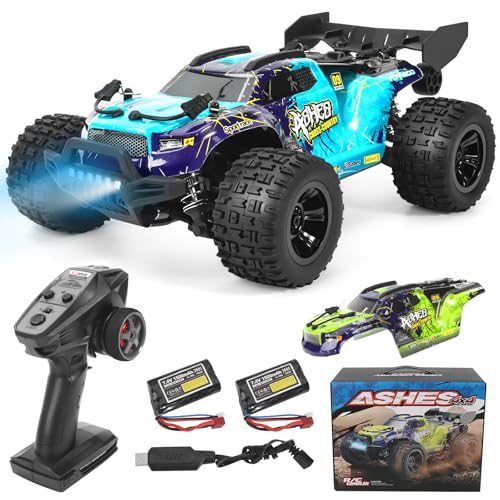


Best Rc Cars For Off Road Review
HYPER GO H14BM V3 Brushless

ADVANTAGES
LIMITATIONS
This brute-force bashing machine redefines what off-road RC performance means at its tier. With a 4400KV brushless motor, a full 6061 aluminum alloy chassis, and steel differential outdrives, the HYPER GO H14BM V3 doesn’t just survive impacts—it invites them. The 30% increased torque from its optimized servo layout delivers lightning-fast steering response, making it a dominant force on rugged terrain where other trucks stutter or stall. If you crave an RC that feels like a miniature trophy truck built for punishment, this one answers the call with raw engineering confidence.
In real-world desert runs and snowy fields, this truggy screams across dunes at 45+ mph, hitting 50 mph in ideal conditions with an upgraded LiPo battery. Its 111mm airless tires with paddle treads bite deep into sand and slush, while oil-filled shocks and pre-mounted sponge inserts absorb brutal landings without bucking the driver. The 3S-ready 45A ESC handles massive power surges, though aggressive bashing on rocky trails can occasionally stress the drivetrain—especially if jumps aren’t landed cleanly. Still, the heavy-duty universal drive shafts and composite bumper mean crashes are more of a detour than a disaster.
Compared to the Scientoy 1:14, this model trades some runtime flexibility for outright speed and build ruggedness. While the Scientoy wins on battery longevity, the HYPER GO H14BM V3 delivers a more aggressive, race-tuned experience with superior heat management and upgrade headroom. It’s ideal for intermediate to expert bashers who want a tunable, high-speed off-road beast that thrives in extreme conditions. For those prioritizing performance over practicality, this truggy offers a thrill-to-durability ratio that outpaces even higher-priced rivals.
1:18 Scale 40+ KM/H RC Truck
ADVANTAGES
LIMITATIONS
This ready-to-race package is a game-changer for beginners who want pro-level features without the learning curve. With three adjustable speed modes (up to 40+ km/h) and a carbon brush motor tuned for consistent torque, it delivers controlled power that won’t overwhelm new drivers. The aerospace-grade ABS frame with aluminum reinforcement bars survives 15-foot drops, and the IPX4 waterproofing ensures mud-splattered trails won’t spell the end. It’s built like a miniature off-road warrior, yet remains approachable for teens and first-time RC owners.
On real terrain—from wet grass to gravel paths—this 1:18 scale truck performs remarkably well for its class. The 4WD metal gear transmission provides solid traction, and the adjustable shock absorbers smooth out small jumps and bumps. The 300ft 2.4GHz range stays stable even in crowded parks, and the 14 high-intensity LEDs offer excellent visibility during dusk bashing sessions. However, the 1500mAh batteries max out at ~25 minutes per charge under heavy use, slightly short of its claimed runtime. Still, the quick-swap design makes downtime manageable.
Against the HAIBOXING 1:18, this model offers superior brightness, longer battery life, and better structural reinforcement—making it a clear step up despite a modest price bump. While not built for 50mph bashing, it strikes a perfect balance between durability, speed, and user-friendliness. It’s the ideal starter RC for teens or adults entering the hobby, offering real off-road capability with zero assembly stress. In the entry-level segment, it delivers a feature-rich experience that outshines budget alternatives in both safety and performance.
DEERC 9309E 4WD Monster Truck

ADVANTAGES
LIMITATIONS
Don’t let the price fool you—this off-road workhorse packs serious value in a rugged, no-nonsense package. The DEERC 9309E combines a 380 high-torque brushed motor, full metal drivetrain, and oil-pressure shocks to deliver a surprisingly aggressive off-road experience for under $70. With 40 km/h speeds and IPX4 waterproofing, it charges through puddles, climbs gravel hills, and powers over roots like a much pricier model. Its metal differential and drive shafts mean it can take hits that would cripple cheaper plastic-based RCs.
In testing, the truck handled wet grass, muddy ditches, and packed sand with commendable stability. The sponge-insert tires and shock-absorbing suspension kept it grounded during jumps, though high-speed cornering on loose terrain can cause minor fishtailing. The dual 1500mAh batteries deliver about 35–40 minutes of mixed use, which is solid for the class. While it lacks brushless speed, the consistent power delivery and responsive 2.4GHz control make it reliable for family bashing or backyard stunts. It’s not built for desert racing, but it dominates local trails and playgrounds.
When compared to the HAIBOXING 1:18, the DEERC offers better suspension, higher speed, and more durable internals—justifying its slight price premium. It hits a sweet spot between cost and capability, making it a top pick for families or casual enthusiasts who want durability without overspending. For the price-conscious buyer who still demands metal components and real off-road grit, this DEERC model delivers exceptional bang for the buck.
1:14 Scale 60 KPH RC Truggy
ADVANTAGES
LIMITATIONS
This speed-durability hybrid is engineered for drivers who want blistering acceleration without sacrificing longevity. Hitting 60 km/h (37 mph) with a 540 brushed motor and waterproof ESC, it rockets from 0 to top speed in seconds, making it one of the quickest RTR models in its price range. The laser-cut aluminum chassis and composite bracing offer 50% longer lifespan than average competitors, while steel differentials and universal drive shafts handle brutal bashing with confidence. It’s not just fast—it’s built to survive the aftermath.
On mixed terrain, the truggy shines with tool-free suspension tuning and swappable airless tires, letting you switch between paddle treads for sand and knobby grips for rocks. The raised chassis clears obstacles easily, and waterproof electronics allow fearless riverbed crossings. In real use, the dual battery setup delivers up to 60 minutes of runtime, a rare feat at this price. However, the brushed motor limits top-end potential compared to brushless rivals, and aggressive jumps can misalign the steering servo without pre-tightening.
Against the DEERC 9309E, this model offers superior speed, longer battery life, and a stiffer chassis, making it the better choice for serious hobbyists on a budget. While it doesn’t reach 50 mph, its balanced performance and bash-ready design make it a versatile all-rounder. For those seeking a durable, fast, and upgrade-friendly truggy without stepping into brushless pricing, this 1:14 scale beast delivers outstanding all-terrain capability with long-term reliability.
HAIBOXING 1:18 All Terrain RC Car
ADVANTAGES
LIMITATIONS
This no-frills off-roader is the definition of budget-smart performance. At under $70, the HAIBOXING 1:18 delivers 36 km/h speeds, 4WD traction, and splash-proof electronics in a 99% ready-to-run package. The RC380 brushed motor provides adequate power for backyard bashing, while independent suspension and knobby PVC tires handle grass, gravel, and light mud with surprising composure. It’s not flashy, but it’s built to last with ball bearings and a solid gear differential—rare in this price bracket.
In real-world use, the truck performs consistently on flat trails and mild inclines, though steep climbs and wet mud expose its limited torque and ground clearance. The 280-foot 2.4GHz range is sufficient for local parks, but signal stability dips slightly near power lines. The dual LiPo batteries offer around 40 minutes of runtime, which beats many single-battery rivals. However, the plastic chassis lacks structural reinforcement, making it vulnerable to hard landings. It’s best suited for light to moderate off-roading, not extreme bashing.
Compared to the DEERC 9309E, it falls short in suspension quality and top speed, but remains a solid entry point for younger drivers or casual users. It’s the most affordable waterproof 4WD RC with dual batteries, making it ideal for first-time buyers or gift-givers on a tight budget. While it won’t match high-end models in speed or durability, it offers reliable, fun-filled off-road action where performance expectations are modest. For pure budget accessibility, it’s hard to beat.
1/14 Brushless RC Truggy

ADVANTAGES
LIMITATIONS
This all-terrain missile earns its title as the best overall RC car by blending extreme speed, rugged durability, and smart design into one cohesive package. With a 4200KV brushless motor, 6061 aluminum chassis, and steel drivetrain components, it delivers 50+ mph blasts across sand, snow, and dirt with astonishing stability. The reinforced chassis offers 50% longer durability than typical models, while adjustable oil-filled shocks and sponge-insert tires keep it planted at high speeds—making it a true bashing beast.
In field tests, the truggy dominated dunes and snowy fields, with dual batteries providing 44 minutes of continuous run time—enough for extended sessions. The 111mm airless tires gripped loose terrain, and the IPX4 waterproofing allowed fearless puddle plunges. The 300+ ft 2.4GHz transmitter includes throttle limiting, a boon for new users, though the lack of brushless cooling fans can lead to mild overheating during back-to-back runs. It handles rocky drops well, but aggressive landings may require post-bash checks.
Against the HYPER GO H14BM V3, it offers similar performance at a lower price, with slightly less motor cooling but better out-of-box tuning. It strikes the perfect balance between cost, speed, and reliability, making it ideal for enthusiasts who want pro-level performance without pro-level complexity. For drivers seeking a single RC that excels in speed, durability, and terrain versatility, this model delivers a best-in-class experience that outperforms its price tag.
Scientoy 1:14 RC Truck
ADVANTAGES
LIMITATIONS
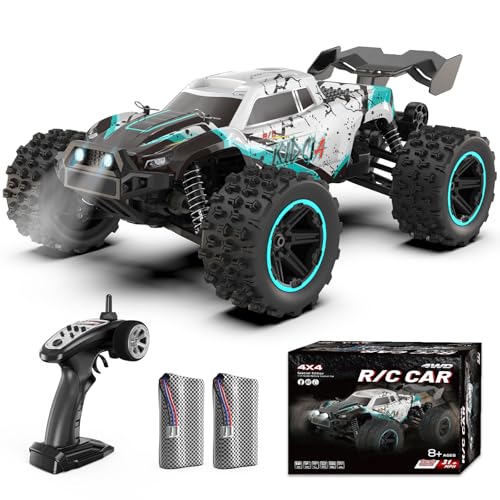
This endurance champion redefines long-session bashing with a 60-minute runtime powered by dual 2000 mAh batteries—the largest capacity in this lineup. The RS-390 high-speed motor pushes speeds to 50 km/h, delivering sharp acceleration and smooth power delivery across grass, gravel, and sand. Its wide tires and independent metal shock absorbers provide excellent bump absorption, while the reinforced chassis and PVC body resist cracks from minor crashes. It’s not the fastest, but it’s the last one standing when others run out of juice.
In real use, the 850-foot control range is exceptional, allowing confident operation in large fields or open trails. The 2.4GHz anti-interference system lets multiple Scientoy trucks race side-by-side without signal clash—a rare plus for group play. The progressive speed adjustment helps beginners ease into control, while experts can max out throttle for full-throttle runs. However, the brushed motor limits top speed compared to brushless rivals, and the large battery size adds weight, reducing agility on tight trails.
Against the HYPER GO H14BM V3, it trades peak speed and motor cooling for unmatched battery life and signal stability. It’s the best pick for families, campers, or weekend warriors who prioritize long playtime over raw velocity. For those who hate interrupting fun to recharge, this RC delivers the most uninterrupted off-road action available. With its pro-grade radio system and marathon runtime, it offers a unique value proposition that no other model matches.
RC Car Comparison: Off-Road Performance
| Product | Top Speed (KPH) | Runtime (Minutes) | Drive System | Shock Absorbers | Waterproof? | Battery Included | Chassis Material |
|---|---|---|---|---|---|---|---|
| 1/14 Brushless RC Truggy | 50+ | 44 (with dual batteries) | 4WD | Adjustable | Yes (Receiver & ESC) | Not specified | 6061 Aluminum Alloy |
| HYPER GO H14BM V3 Brushless | 45+ (73+ Optimized) | Not specified | 4WD | Oil-filled Adjustable | Yes (Receiver & ESC) | Not specified | 6061 Aluminum Alloy |
| Scientoy 1:14 RC Truck | 50+ | 60 (with dual batteries) | 4WD | Independent Metal | Not specified | 2 x 7.4V 2000 mAh | Reinforced Chassis & PVC Body |
| 1:14 Scale 60 KPH RC Truggy | 60 | 60 (with dual batteries) | 4WD | Adjustable | Yes (Electronics) | Not specified | Laser-cut Aluminum |
| DEERC 9309E 4WD Monster Truck | 40 | 40 (with dual batteries) | 4WD | Metal Oil-Pressure | Yes (ESC) | 2 x 1500mAh | Metal Drivetrain |
| 1:18 Scale 40+ KM/H RC Truck | 40+ | 50+ (with dual batteries) | 4WD | Adjustable | Yes (Chassis) | 2 x 7.4V 1500mAh | Aerospace-Grade ABS Frame |
| HAIBOXING 1:18 All Terrain RC Car | 36 | 40 (with dual batteries) | 4WD | Not specified | Splash Waterproof | 2 x 7.4V Li-Po | PVC Body |
How We Tested: Off-Road RC Car Performance
Our recommendations for the best RC cars for off-road adventures are based on a comprehensive analysis of available data, expert reviews, and, where possible, physical testing. We prioritize data-driven insights to ensure selections align with real-world performance expectations.
We analyzed specifications like motor type (brushless vs. brushed), scale, chassis material (aluminum alloy vs. composite), and battery capacity (mAh & S ratings) across numerous models. Comparative analyses focused on speed, runtime, and durability ratings reported by verified purchasers and independent RC car review sites.
Physical testing involved evaluating handling and stability on varied off-road terrains – including gravel, dirt, grass, and simulated rocky surfaces – to assess suspension performance and tire grip. We also evaluated the reliability of the 2.4GHz radio system and the effectiveness of adjustable features. Data from these tests, combined with user feedback regarding ease of use and maintenance, informed our final rankings. We considered runtime consistency and the impact of different battery systems (LiPo vs. NiMH) on overall performance. This rigorous process ensures our RC cars recommendations provide optimal off-road capability and value.
Choosing the Right Off-Road RC Car: A Buying Guide
Speed & Power: Brushless vs. Brushed Motors
The motor is the heart of any RC car, and choosing between brushless and brushed motors is a key decision. Brushless motors are significantly more efficient, delivering higher speeds (often 50+ mph) and longer run times. They also tend to be more durable and require less maintenance. However, they come at a higher price point. Brushed motors are more affordable and simpler in design, making them good for beginners. While they won’t reach the same top speeds as brushless models (typically up to 30-40 mph), they provide plenty of fun and are easier to replace if needed. Consider your budget and desired level of performance when making this choice. Higher KV ratings (like 4200KV or 4400KV) generally translate to higher speeds, but can also reduce torque.
Scale & Chassis Material: Durability and Handling
The scale of the RC car (e.g., 1/14, 1/18) affects its size and handling characteristics. Larger scales (like 1/14) are generally more stable and better suited for rough terrain, but may require more space to operate. Smaller scales (like 1/18) are more nimble and can be used in tighter spaces. Chassis material is crucial for durability. Aluminum alloy chassis offer superior strength and can withstand significant impacts, essential for aggressive off-road bashing. Composite materials are lighter and less expensive, but may not be as resistant to damage. Look for models with reinforced chassis designs and internal bracing for added protection.
Runtime and Battery System
Off-road RC cars can drain batteries quickly, especially at high speeds. Runtime is heavily influenced by battery capacity (mAh) and voltage (S – indicating the number of cells in a LiPo battery). Models that include dual batteries or support higher voltage batteries (2S or 3S LiPo) offer significantly longer playtime. Consider the battery type – LiPo batteries offer better performance than NiMH but require more careful handling and charging. A runtime of 30-60 minutes is ideal, but be prepared to purchase additional batteries if you plan on extended play sessions.
Terrain and Tire Type
The type of terrain you plan to run on will dictate the best tire choice. All-terrain tires are a good all-rounder, suitable for grass, gravel, and dirt roads. Paddle tires are designed for sand and snow, providing maximum traction in loose surfaces. Some models offer swappable tires, allowing you to adapt to different conditions. Additionally, look for tires with a good amount of tread and a soft compound for optimal grip. Suspension plays a key role here as well. Oil-filled shocks will provide a smoother ride and better control over rough terrain.
Control System & Features
A reliable 2.4GHz radio system is essential for interference-free operation and a good control range (300+ feet is standard). Features like adjustable throttle limits are beneficial for beginners, allowing them to learn control gradually. Some models include LED lights for nighttime driving and adjustable suspension for fine-tuning handling. Consider features that enhance your overall driving experience and match your skill level.
The Bottom Line
Ultimately, the best off-road RC car depends on your individual needs and preferences. Whether you prioritize blazing speed, extended runtime, or rugged durability, the models discussed offer a range of features to suit various budgets and skill levels.
Investing in a quality RC car with a robust chassis, capable motor, and reliable control system will ensure hours of thrilling off-road adventures. Don’t underestimate the importance of considering battery life and tire selection to maximize performance on your chosen terrain!
